
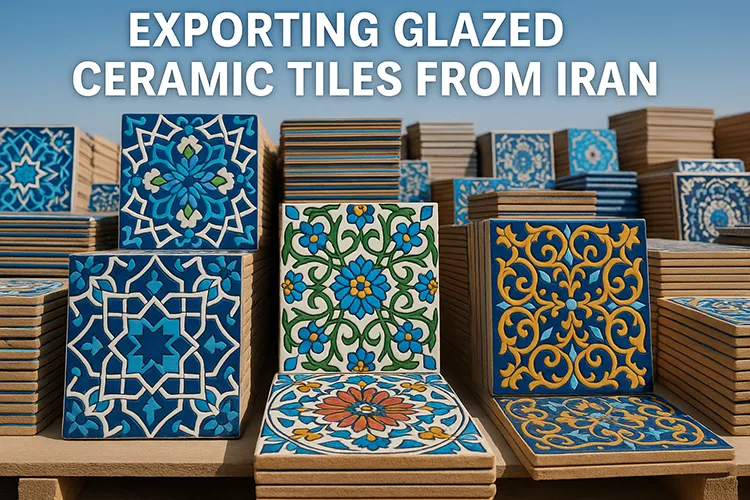
Introduction: Exporting glazed Ceramic Tiles from Iran has gained significant attention in global markets, thanks to the rich heritage and advanced craftsmanship involved in the production process.
Iran has long been recognized for its rich history in tile-making, with a legacy that dates back centuries. The country’s glazed ceramic tiles are renowned for their artistic designs, vibrant colors, and high durability. Today, Iranian manufacturers blend traditional craftsmanship with modern production technologies, creating a wide range of tiles that meet international quality standards. This unique combination makes Iranian glazed ceramic tiles highly attractive in both regional and global markets.
As global demand for high-quality and cost-effective building materials increases, Iran presents significant export opportunities in the ceramic tile industry. The country’s abundant natural resources, skilled labor force, and competitive pricing give it a strong advantage in the international market. Exporting Iranian glazed ceramic tiles not only supports domestic industry growth but also strengthens trade ties with countries seeking aesthetically pleasing and durable tiling solutions.
This article will explore the main features of traditional glazed tiles and provide practical tips for buyers on what to consider before making a purchase.
What is Glazed Ceramic Tile?
Glazed ceramic tiles are a type of tile manufactured by applying a thin, smooth, and durable coating over the surface. This specialized glaze not only enhances the tile’s appearance by giving it a shiny and polished finish but also transforms its physical properties. The glaze acts as a waterproof barrier, making these tiles highly resistant to moisture penetration. For this reason, they are widely used in areas where humidity and frequent contact with water are common, such as bathrooms, kitchens, laundry rooms, and sanitary spaces.
Without this glazed layer, ceramic tiles tend to be porous, meaning they easily absorb water, dust, and stains. This absorption can compromise the structural integrity of the tile over time, especially during cleaning. High water absorption also leads to discoloration and deterioration, making unglazed tiles less ideal for spaces that require regular washing or sanitization.
Another important feature of the glazed coating is its aesthetic appeal. The glaze enhances the natural beauty of the tile, adding a luxurious sheen that makes the surface more vibrant and eye-catching. Glazed ceramic tiles are available in a wide array of colors, textures, and patterns, allowing them to seamlessly integrate into both modern and traditional interior and exterior design schemes.
Features of Glazed Ceramic Tiles
Glazed ceramic tiles have become a popular choice in both residential and commercial interiors, and for good reason. Their surface is treated with a protective glaze that not only enhances visual appeal but also adds practical value. Whether used in kitchens, bathrooms, or living spaces, these tiles are known for combining style with functionality. Beyond aesthetics, they offer performance benefits that make them a reliable and lasting option for many different environments.
-
Long-Lasting Durability
One of the standout qualities of glazed ceramic tiles is their impressive lifespan. When properly installed and maintained, they can last for decades without losing their visual appeal. The glaze protects the tile from scratches, stains, and moisture, which helps prevent wear and tear over time. This makes them a smart investment, especially for areas with consistent use like hallways or backsplashes.
-
Wide Variety of Designs and Colors
Glazed ceramic tiles are available in an extensive range of colors, patterns, and finishes. From classic white and neutral tones to vibrant colors and intricate patterns, the design possibilities are almost endless. Some even replicate the look of marble, wood, or concrete, offering high-end aesthetics at a more affordable cost. This variety makes it easy to match any décor style—from modern to rustic.
-
Beautiful and Low Maintenance
Thanks to their smooth, glazed surface, these tiles are extremely easy to clean. Most spills and stains can be wiped away with a damp cloth or mild cleaner. They don’t trap dust or bacteria, making them a hygienic choice for homes with children or pets. Unlike porous materials, they require no sealing and maintain their shine with minimal effort.
Types of Glazes Used in Ceramic Tiles
The appearance and texture of glazed ceramic tiles are highly influenced by the type of glaze applied during production. Glazing is a sophisticated process where a glass-like coating is fused to the tile’s surface through high-temperature firing. The characteristics of the final glaze—such as its color, transparency, or texture—depend largely on its formula and the materials used. By adjusting the proportions of these ingredients, manufacturers can create an extensive variety of glaze types, offering new design possibilities in both aesthetic and functional applications.
Today, the tile and ceramic industry utilizes several types of glazing techniques. Each method offers unique visual and structural properties, suited to specific environments and design goals. Below is a concise overview of the most common glaze types found in modern ceramic manufacturing:
-
Transparent or Clear Glaze
This glaze is typically used to coat delicate porcelain-like surfaces and allows the base texture or pattern beneath to remain visible. Made from a mix of calcium, silica, and refined white clay, clear glazes enhance shine while offering a subtle, elegant finish. They are ideal for decorative ceramics that require both protection and visual clarity.
-
Colored Glaze
Colored glazes are among the most widely used types in ceramic tile production. These glazes derive their vibrant hues from the addition of metallic oxides. For example, copper oxide (Cu₂O) is used to produce shades of blue, iron oxide (FeO) yields yellow tones, and chromium oxide (Cr₂O₃) creates various shades of green. These glazes are especially popular in decorative tiles for both interior and exterior design, offering richness in tone and variation in style.
exporting Glazed Ceramic Tiles from Iran brings such uniquely crafted glaze options to international markets, merging traditional techniques with modern innovation.
-
Opaque or Matte Glaze
This type of glaze is used for coating more common ceramic surfaces. Unlike transparent glazes, opaque glazes have a dense and non-reflective finish. They are typically composed of a mixture of tin oxide (SnO₂), lead oxide (PbO), silica (SiO₂), red lead (Pb₃O₄), sodium carbonate, and various salts. The melted glaze is cooled, powdered, and then turned into a milky suspension in water. The ceramic object is dipped into this mixture, resulting in a soft, uniform surface after firing.
-
Textured or Rough-Surface Glaze
These glazes are formulated to include fine particles of decorative stones or silica, which remain semi-visible on the tile surface after firing. The result is a non-smooth, lightly abrasive finish that offers increased friction underfoot. Textured glazes are especially useful in flooring applications where slip resistance is a priority, such as in entryways, pool areas, and outdoor walkways.
exporting Glazed Ceramic Tiles from Iran includes these advanced glaze varieties, offering practical benefits alongside visual versatility.
Types of Glazes in Iranian Porcelain Production
-
Glossy Finish
A glossy finish is characterized by its highly reflective, shiny surface that reflects light intensely, creating a bright and polished appearance. This type of finish makes colors appear more vibrant and eye-catching, enhancing the overall visual impact. Because the surface reflects light directly, it can make spaces feel larger and more illuminated. The smooth, sleek texture provides a luxurious and clean look, often associated with elegance. Glossy finishes are commonly used on wall tiles or areas where a striking visual effect is desired. Additionally, the polished surface sharpens the clarity of patterns and designs, making details more pronounced and vivid.
-
Matte Finish
A matte finish, unlike glossy, absorbs light rather than reflecting it, resulting in a soft, muted, and natural look. This finish offers a subtle elegance and a calm atmosphere, as it doesn’t cause glare or harsh reflections. Colors on matte surfaces appear more subdued and gentle, giving a more understated and sophisticated feel. Matte textures are smooth but lack the shine, making them popular in modern, minimalist, or natural-style interiors where simplicity and refinement are key. Because of the low reflectivity, matte finishes maintain a uniform appearance over time, hiding imperfections like smudges or moisture better than glossy surfaces.
-
Sugar Finish
Sugar finish features a very fine, delicate texture that resembles tiny sugar granules scattered across the surface. This finish blends the qualities of matte and lightly textured surfaces, creating a natural yet distinctive tactile feel. The subtle texture adds depth and character while increasing grip and safety, which makes it ideal for areas where slip resistance is important, such as wet rooms, outdoor spaces, or floors requiring extra traction. Visually, sugar finish tiles offer a unique, modern look with a soft matte appearance enhanced by the textured detail. This finish strikes a balance between beauty and function, providing both aesthetic appeal and practical performance.
Benefits of Glazed Ceramic Tiles for Export
Glazed ceramic tiles are manufactured with a glossy or matte coating that gives them an elegant and radiant appearance. This glaze not only adds aesthetic value but also serves a functional purpose by creating a protective layer over the tile surface. This layer effectively shields the tile from water penetration and staining. However, due to differences in their production process, glazed ceramic tiles typically offer lower durability compared to porcelain tiles.
-
Wide Variety of Styles and Color
s Among the most significant advantages of glazed ceramic tiles is their diverse range of styles and colors. Thanks to the glazing process, these tiles can be produced in an extensive variety of shades, finishes, and patterns—including classical, contemporary, nature-inspired, and even 3D designs. This variety empowers homeowners, designers, and contractors to personalize living or workspaces according to their taste and architectural preferences.
-
Ease of Installation
Another practical benefit is their ease of installation. Glazed ceramic tiles are generally lighter in weight and easier to cut than porcelain tiles, making them simpler and more cost-effective to install. This advantage can reduce overall labor and material expenses, especially in projects where time and budget are key constraints.
-
Enhanced Durability
Furthermore, glazed ceramic tiles are more affordable compared to their porcelain counterparts. Their lower price point makes them an attractive option for those working on budget-conscious renovations or large-scale commercial projects without compromising style and functionality.
Exporting Glazed Ceramic Tiles from Iran continues to attract interest worldwide, as international buyers seek high-quality options that combine beauty with economic value.
That said, glazed ceramic tiles are best suited for low-traffic areas such as walls, living rooms, and decorative surfaces. Because they are less resistant to pressure and abrasion than porcelain, they may not be ideal for heavy-use floors or industrial settings.
Popular styles in Glazed Ceramic Tiles
-
Classic Floral Patterns
Floral designs remain a timeless choice, featuring intricate flowers and vine motifs. These tiles add elegance and a sense of tradition to spaces like kitchens and bathrooms. Their detailed artistry often brings a warm and inviting atmosphere.
-
Geometric Shapes
Tiles with geometric patterns such as hexagons, diamonds, or chevrons are widely used in modern interiors. These designs offer clean lines and symmetry, creating dynamic visual effects that complement minimalist or industrial styles without overpowering the room.
-
Mosaic Tiles
Mosaic glazed tiles are made up of small individual pieces assembled into larger decorative patterns. They allow for creative expression with various colors and shapes and are commonly used for backsplashes, shower walls, or accent borders to add texture and vibrant detail.
-
Wood-Look Tiles
Wood-look glazed ceramic tiles combine the natural beauty of wood grain with the durability and low maintenance of ceramic. These tiles are perfect for those wanting a warm, rustic feel in areas prone to moisture, like bathrooms or kitchens, without worrying about wood’s vulnerabilities.
-
3D Textured Tiles
Three-dimensional tiles feature raised or embossed patterns that add depth and tactile interest to walls. They are excellent for creating statement walls in living rooms or entryways, bringing a modern, artistic touch to interior design.
-
Bold and Colorful Patterns
Bright, patterned tiles are ideal for adding personality and vibrancy to any space. Often inspired by Mediterranean or Moroccan styles, these tiles serve as eye-catching focal points in kitchens, cafes, or outdoor patios, injecting energy and cultural richness.
Modern Patterns and Colors
Color is one of the most influential elements in the visual appeal of traditional glazed tiles. The right choice of color not only enhances the overall aesthetic of a space but also reflects cultural and emotional values. Traditional glazed tile colors are available in a rich and varied palette, each suited to specific interior and exterior design themes. In this section, we will explore three of the most iconic and widely used colors in traditional glazed tiles.
-
Turquoise Glazed Tile
Perhaps the most recognized color in traditional Iranian tilework is turquoise. This distinct hue is the result of blending several colors—primarily blue, green, and a hint of yellow. In Western architecture, turquoise is often associated with the ocean and is commonly used in coastal design aesthetics. It evokes a sense of calm, vastness, and connection to nature.
However, in Eastern architectural traditions, turquoise carries deeper symbolic meaning. It represents health, healing, and spiritual energy. Historically, turquoise glazed tiles were widely used in Persian architecture, often combined with exposed brick to create beautiful contrasts on domes, walls, and minarets. Even today, turquoise remains one of the most frequently purchased colors for traditional glazed tile applications.
exporting Glazed Ceramic Tiles from Iran has introduced this culturally rich color to global audiences, especially for use in heritage restoration and boutique interior design.
-
Green Glazed Tile
Another prominent color in traditional and modern tilework is green. In recent years, green glazed tiles have gained popularity in both classical and contemporary facades. The calming and refreshing qualities of green make it a favorite for exterior walls, restaurants, cafes, and wellness-focused businesses.
Among the many shades of green, “peacock green” (a deep, rich tone) is especially popular in commercial interiors. Green glazed tiles have a long-standing presence in Persian architecture, dating back to pre-Islamic times. Their continued use is a testament to their timeless beauty and cultural relevance.
Symbolically, green represents freshness, harmony, and renewal. It is often used to create relaxing environments, helping to ease stress and promote emotional well-being. Green tiles are available in a wide spectrum—from bright chartreuse to olive, jade, and even swampy moss tones. However, premium shades like peacock green and neon green tend to be priced slightly higher due to their vivid pigmentation and glazing complexity.
exporting Glazed Ceramic Tiles from Iran helps preserve this legacy by making these refined tones available to architects and designers worldwide.
-
Lapis Blue Glazed Tile
Lapis blue is another timeless classic in the world of traditional glazed tiles. Its deep, saturated tone is found in countless architectural masterpieces across Iran, particularly in historical mosques, tombs, and palaces. Lapis blue tiles are so prevalent that it is difficult to find a traditional Iranian building that does not include them in some form.
This rich blue not only offers dramatic visual impact but also holds spiritual significance, symbolizing the heavens and infinity. In contemporary design, lapis tiles are being reintroduced in modern buildings to create nostalgic connections with the past while adding luxury and depth to the facade.
Thanks to advancements in tile production and glazing technology, this color is now being used creatively in minimalist and modern architectural styles, often paired with neutral or metallic finishes to balance tradition with innovation.
exporting Glazed Ceramic Tiles from Iran continues to fuel global appreciation for lapis blue tiles by offering authentic craftsmanship and color fidelity rooted in centuries of heritage.


