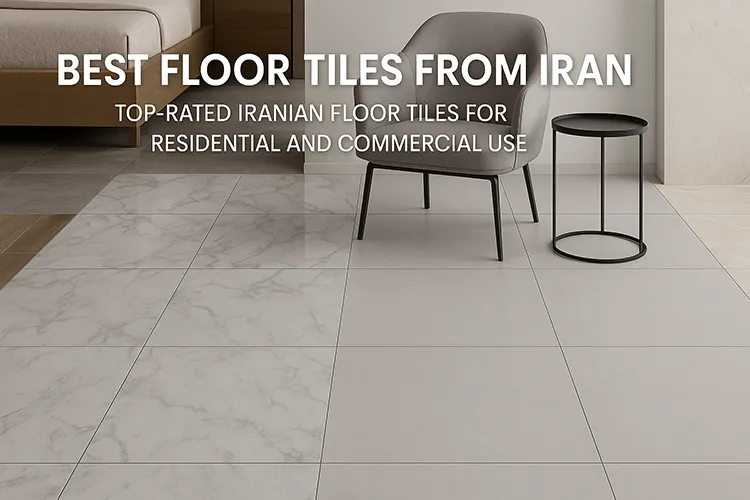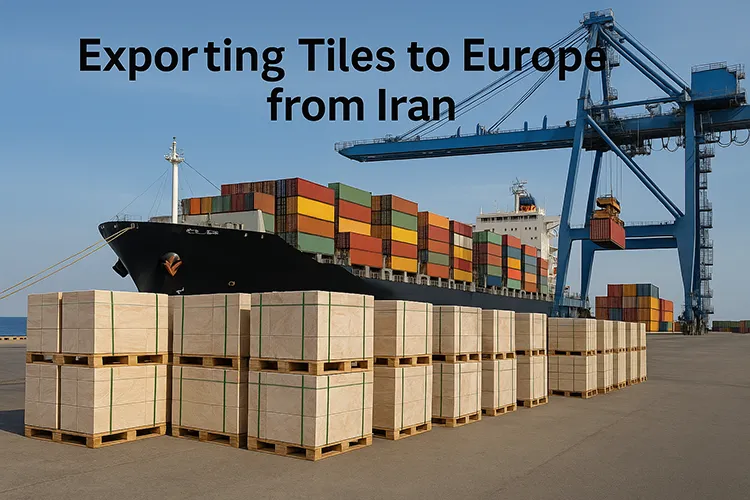
Exporting tiles to Europe from Iran is rapidly emerging as a strategic priority for Iranian tile manufacturers and exporters seeking access to high-value, design-oriented markets. Backed by abundant natural resources, a skilled workforce, and advanced production technologies, Iran has long maintained a strong presence in the global tile industry. Today, with competitive pricing and robust manufacturing capacity, the country is focusing more than ever on expanding into the European continent. This article explores the reasons behind the growing appeal of Iranian tiles in Europe, the types most in demand, key regulatory considerations, and the logistics of packaging and shipping to ensure smooth and efficient delivery.
Exporting Tiles to European Markets from Iran
Why European Markets Prefer Iranian Tiles?
European markets are drawn to Iranian tiles due to a combination of factors, including their unique designs, high quality, competitive pricing, and efficient production capabilities. Iranian tiles are also known for their durability, low water absorption, and resistance to wear and tear. As demand continues to rise, exporting tiles to European markets has become a strategic focus for Iranian manufacturers aiming to expand their global footprint.
Here’s a more detailed look at the reasons for their popularity:
-
Unique and Beautiful Designs
Iranian tiles often feature intricate patterns, geometric designs, and vibrant colors, reflecting the country’s rich artistic heritage. These characteristics not only honor centuries of Persian art but also cater to the aesthetic preferences of European consumers seeking culturally infused and visually striking surfaces.
-
High Quality and Durability
Iranian tiles are known for their strength, low water absorption, and resistance to wear and tear, making them a durable choice for both residential and commercial use. This reliability makes them highly suitable for European standards, where quality and longevity are essential. The focus on durability aligns closely with the increasing interest in , where clients expect products that perform consistently over time.
-
Competitive Pricing
European buyers are known for their strict quality expectations, and Iranian tile producers have consistently met these demands. Leveraging modern machinery and refined production methods, Iranian tiles demonstrate excellent resistance to moisture, heat, and wear. These attributes are vital for flooring and wall applications in both residential and commercial settings.
Additionally, Iranian tiles offer highly competitive prices, especially when compared to European or other Asian products. The combination of affordability and durability positions Iranian tiles as a favorite in countries like Germany, Italy, and Spain. Exporting Tiles to European Markets from Iran is driven by the demand for reliable and cost-effective building materials.
Iran’s abundant resources, low labor costs, and efficient production processes contribute to the competitive pricing of Iranian tiles, making them an attractive option for European buyers. In a cost-conscious construction industry, affordability without compromising on quality is a decisive factor that supports the broader goal of exporting tiles to European markets effectively.
-
Advanced Technologies and Materials
Iranian tile manufacturers utilize modern technologies and high-quality materials in their production processes, ensuring consistent quality and performance. The use of advanced kilns, digital printing, and automated production lines enhances precision and aesthetic flexibility, offering tailored options for the diverse tastes found across European design markets.
-
Efficient Production Capacity
Iran has a significant production capacity, with the ability to supply a wide range of tile types, colors, and sizes to meet diverse market demands. This capacity not only strengthens Iran’s domestic market but also supports the scalability needed for exporting tiles to European markets, especially in large-scale infrastructure and interior design projects.
-
Strategic Location and Logistics
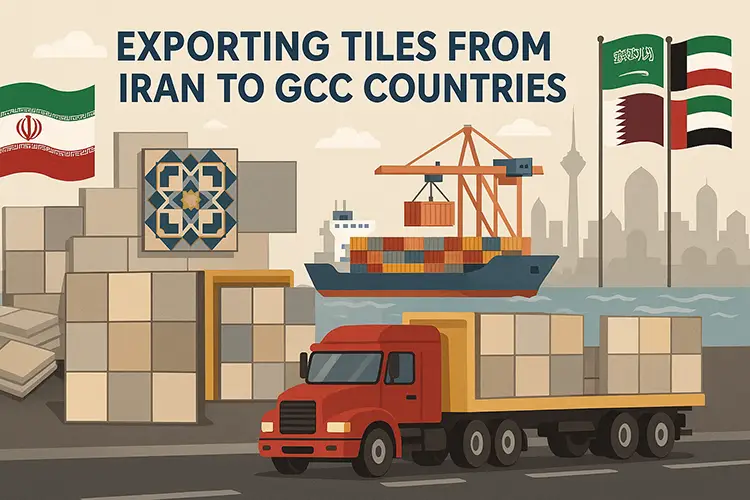
Iran’s geographic location and diverse shipping options facilitate efficient transportation of tiles to European markets. Proximity to major sea routes, coupled with improved logistics infrastructure, ensures timely deliveries and reduces freight costs—a vital component in maintaining competitiveness when exporting tiles to European markets.
-
International Standards
Iranian tile manufacturers are certified to international quality and environmental standards, like ISO 9001 and ISO 14001, which instill confidence in buyers. These certifications provide assurance that the products meet the stringent requirements expected by European regulators and businesses, reinforcing Iran’s position as a trusted supplier in exporting tiles to European markets.
-
Variety in Designs and Finishes
A major factor behind the popularity of Iranian tiles in Europe is the impressive variety of designs and surface finishes. From minimalist matte styles to intricate, glossy decorative tiles, Iranian manufacturers have tailored their offerings to align with European aesthetic preferences. Whether it’s rustic finishes for Scandinavian interiors or classic textures for French villas, Iranian tile producers offer extensive catalogs to satisfy every niche.
The versatility in appearance allows Iranian tiles to be used in kitchens, bathrooms, commercial lobbies, and even outdoor spaces. Exporting Tiles to European Markets from Iran involves careful study of design trends and collaboration with international designers to stay ahead in a competitive market.
Types of Tiles Exported to European Markets
-
Ceramic tiles
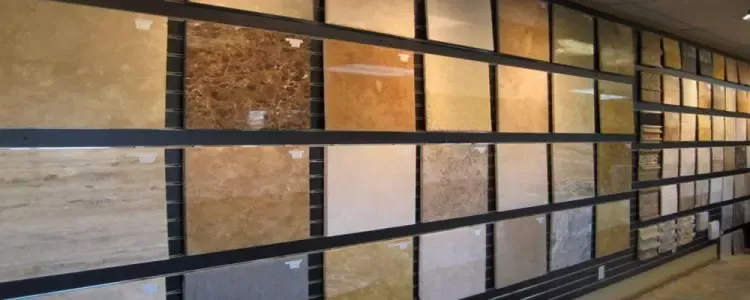
Exporting ceramic tiles from Iran to European market
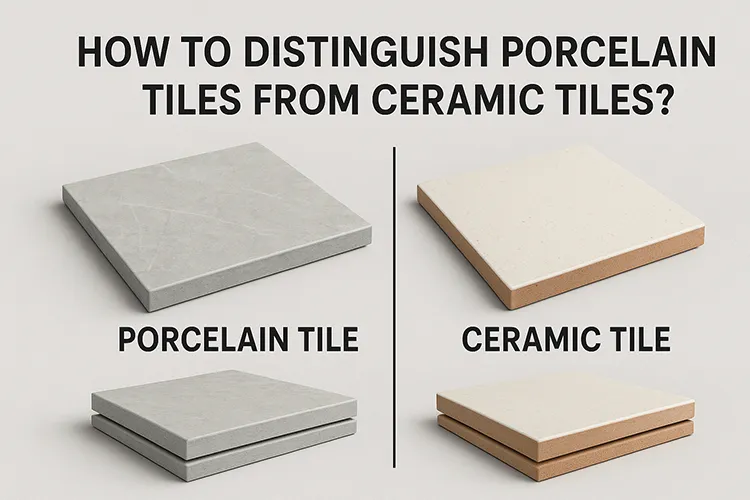
Iranian ceramic tiles have gained significant recognition in European markets due to their exceptional craftsmanship and diverse designs. Manufactured using high-quality raw materials and modern technology, these tiles combine durability with artistic appeal. Their versatility makes them suitable for walls, floors, and decorative applications in both residential and commercial spaces. With competitive pricing and adherence to international standards, Iranian ceramic tiles offer an ideal solution for European buyers looking for reliable and aesthetically pleasing products. The strategic position of Iran further facilitates efficient exporting, ensuring timely delivery and consistent supply to meet growing European demand.
-
Porcelain tiles
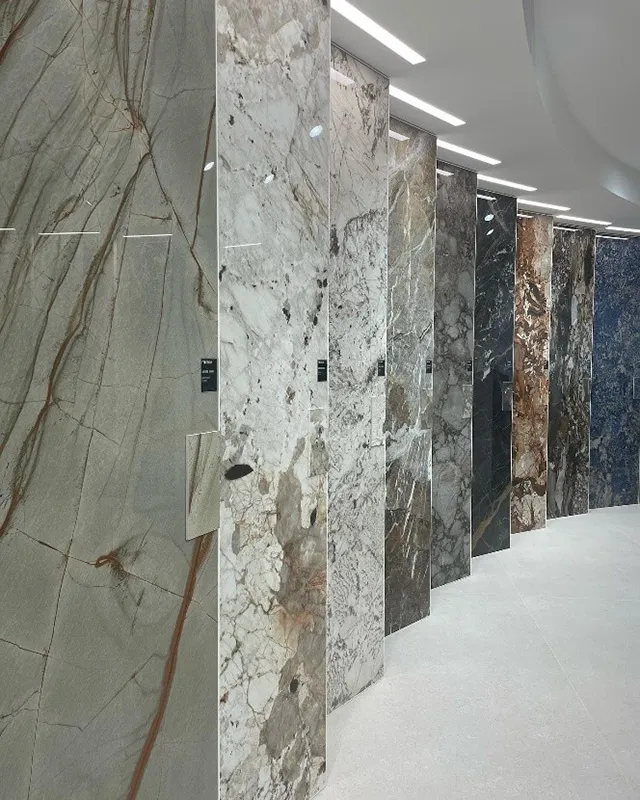
Exporting porcelain tiles from Iran to European market
Porcelain tiles from Iran stand out in the European market thanks to their superior strength, low water absorption, and resistance to wear and stains. These qualities make them perfect for high-traffic areas and outdoor installations. Iranian manufacturers utilize advanced production technologies to create porcelain tiles that combine beauty and performance at competitive prices. The export of Iranian porcelain tiles to European countries is supported by strong logistics networks and compliance with strict international quality certifications. European clients benefit from both the durability and elegant designs that Iranian porcelain tiles consistently provide.
-
Stone Tiles
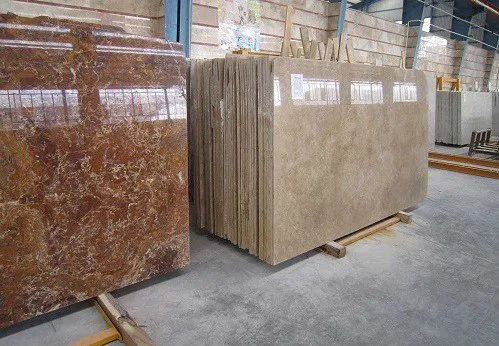
Exporting stone tiles from Iran to European market
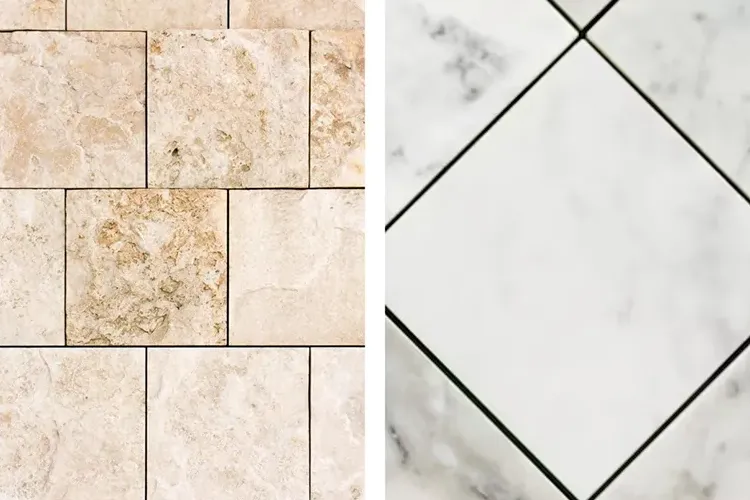
Iran’s rich natural resources make it a prime exporter of stone tiles to European markets. Iranian stone tiles, including marble, travertine, and granite, are prized for their natural beauty, unique patterns, and durability. These tiles are ideal for a variety of architectural and landscaping projects, offering timeless elegance and strength. The country’s experienced artisans and modern processing facilities ensure precision cutting and finishing. Coupled with competitive pricing and reliable shipping routes, exporting stone tiles from Iran provides European buyers with premium products that meet both aesthetic and functional requirements.
-
Traditional tiles
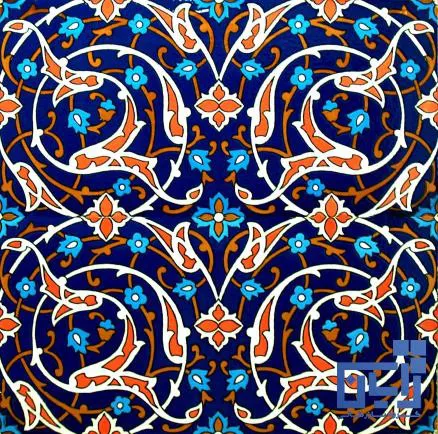
Exporting Traditional tiles from Iran to European market
Traditional tile production has a long-standing history around the world, with some of the most exquisite examples crafted in Iran. These tiles are known for their artistic value, unique patterns, and cultural richness. Iran has played a significant role not only in preserving this ancient craft but also in introducing it to global markets. In recent years, there has been a growing trend of Exporting Tiles to European Markets, where traditional tiles are highly valued for both restoration projects and modern decorative purposes.
Some international buyers, particularly those seeking affordable yet authentic traditional tiles, purchase these products specifically for resale in various European countries. These buyers often become part of the supply chain, functioning as exporters themselves. From an economic perspective, the export of different types of tiles—including traditional varieties—can be highly profitable. Exporters can benefit from a strong return on investment due to the increasing demand and the relatively low production costs in countries like Iran.
-
Large Format and Decorative Tiles
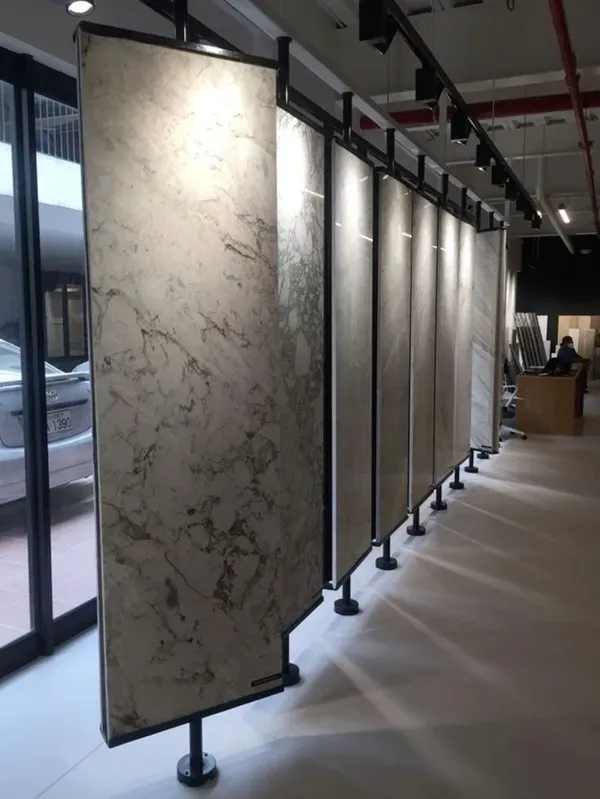
Exporting slab tiles from Iran to European market
Europe is witnessing a rising preference for large-format tiles, which create seamless, modern surfaces with fewer grout lines. Iranian manufacturers have invested in cutting-edge technology to produce tiles in large dimensions without compromising quality. These tiles are used in expansive kitchens, hotel lobbies, and office buildings.
Decorative tiles—such as mosaics, 3D textures, and hand-painted patterns—also find a strong market in Europe. With growing interest in personalization and interior storytelling, these products enhance walls and floors in bespoke ways. Exporting Tiles to European Markets from Iran increasingly includes these specialized product lines to meet evolving tastes.
Export Regulations for Tiles in Europe
-
Compliance with EU Standards
To export tiles to Europe, Iranian manufacturers must adhere to stringent EU standards that govern product safety, environmental impact, and performance metrics. Certifications like CE marking are essential for market entry, ensuring that tiles meet criteria for strength, abrasion resistance, and slip safety.
Producers must conduct rigorous quality testing and often work with international labs to validate their compliance. Meeting these standards not only ensures smoother customs clearance but also builds trust with European buyers. Exporting Tiles to European Markets from Iran hinges on a strong commitment to quality assurance.
-
Protecting Tiles During Shipping
Tiles are fragile products that demand specialized packaging to prevent breakage. Iranian exporters use reinforced cartons, foam padding, wooden pallets, and moisture-resistant wrappings to secure their shipments. Many companies also conduct drop tests and simulate transport vibrations to assess packaging integrity.
Container optimization is another priority. Efficient stacking and secure palletization minimize movement and damage during transit. Exporting Tiles to European Markets from Iran involves advanced packaging solutions that reflect the delicate nature of the goods.
Key Factors for Attracting European Countries to Export Tiles and Ceramics
The success of exporting tiles and ceramics to European markets largely depends on several critical factors that influence both demand and trust among international buyers. To ensure sustainable growth in this sector, Iranian manufacturers and exporters must address the following points:
-
Addressing Managerial Weaknesses
One of the primary obstacles in exporting tiles and ceramics to international markets is poor management. If this issue is not resolved, it may significantly hinder the ability of Iranian producers to access global markets. Iran’s tile and ceramic industry holds vast potential to become one of the leading exporters worldwide. For this to happen, national leaders must implement effective strategies to manage domestic production and the ongoing housing crisis. By doing so, they can create an environment in which manufacturers can focus on international expansion and streamline their export processes.
-
Strategic Marketing Efforts
Another crucial factor in attracting European customers is deploying professional marketers to Europe. These representatives must present complete and transparent pricing structures along with the unique benefits of purchasing Iranian-made tiles. Although European Union regulations limit trade with certain countries, European companies are often still interested in sourcing low-cost products when possible. Due to the devaluation of the Iranian currency against the Euro, local manufacturers are in a favorable position to offer competitive prices, enhancing opportunities for Exporting Tiles to European Markets.
-
Improving Product Quality
Beyond competitive pricing, European buyers prioritize quality. Even if a product is affordable, it will not be purchased if the quality does not meet expected standards. Therefore, Iranian tile and ceramic producers must place greater emphasis on product excellence. Unfortunately, rising raw material costs in recent years have led some manufacturers to reduce quality in order to maintain profitability. However, to compete effectively in European markets, consistent investment in product development and quality assurance is essential.
-
Collaborating with Foreign Investors
Foreign investors often look to expand their business presence in Gulf countries due to their access to oil resources. While U.S. sanctions have made financial transactions with Iran more difficult, alternative channels still exist for engaging with private investors. These collaborations can lead to informal agreements that facilitate exports. However, this method comes with risks, particularly regarding payment transfers and compliance with international financial regulations. Exporters must be cautious and well-informed to navigate these challenges securely.
Exporting Tiles to European Markets remains a viable and profitable strategy for Iranian tile manufacturers, provided these core factors are addressed with diligence and long-term vision.
Challenges of Exporting Tiles to Europe
While Europe remains a highly attractive destination for ceramic and tile exports, exporters face several notable challenges when entering this competitive market. One of the most pressing issues is the impact of international sanctions. These sanctions have made business operations more complex for Iranian exporters, limiting access to standard payment channels and increasing overall risk. However, with the right experience and strategic approach, it is still possible to navigate these restrictions and maintain a steady export flow.
It is important to note that European Union member states do not impose customs duties on trade between themselves. However, countries outside the EU must pay customs fees to access this market. This means that companies exporting tiles to Europe must price their products in a way that remains competitive despite the added cost of tariffs. Proper pricing strategies are essential for success in Exporting Tiles to European Markets, particularly when trying to match the efficiency and cost-effectiveness of local European competitors.
For exporters who lack experience in European trade regulations and customs procedures, it is highly advisable to consult with experts in the field. Their guidance can help avoid costly mistakes and ensure that your tile products are positioned effectively in the European market.