
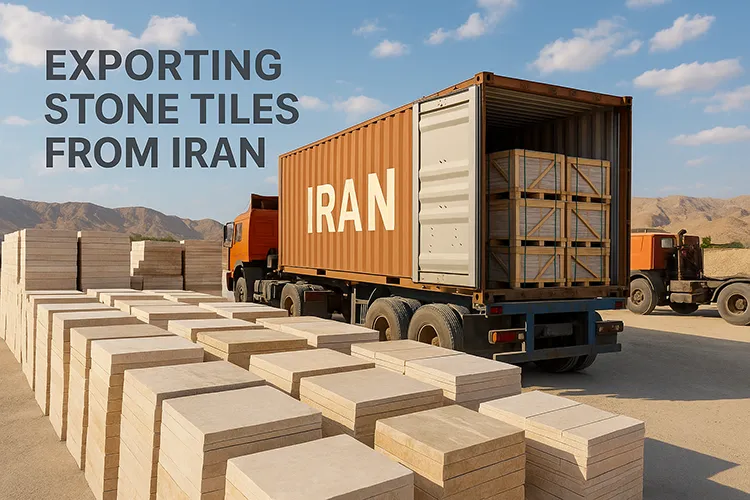
Introduction: Exporting stone tiles from Iran offers access to one of the world’s richest sources of natural stone. Thanks to its abundant natural resources and well-established mining infrastructure, Iran has established itself among the leading producers of high-quality stone tiles globally. From travertine and marble to granite, onyx, and various types of ceramic and stone tiles, the country is known for its exceptional quality, diverse color ranges, and outstanding durability.
By adopting modern technologies in stone processing and utilizing a wide variety of quarries spread across the country, Iran has successfully positioned itself as a major player in the global supply chain. Iranian natural stones are prized not only for their visual appeal but also for their strength, ease of cutting and shaping, and competitive pricing, making them a top choice for architects, builders, and international importers alike.
Stay with us as we guide you through everything you need to know about exporting stone tiles from Iran.
The Popularity of Stone Tiles in Global Markets
Natural stone tiles are an authentic and unparalleled choice for interior designers and architects seeking to blend artistry with durability in their projects. These tiles are extracted directly from the heart of nature, which gives each piece a unique identity.
-
Natural Aesthetic Appeal
One of the most remarkable features of natural stone tiles is their one-of-a-kind beauty. The textures, veins, and color variations in these stones Stem from millions of years of geological transformation. As a result, no two tiles are ever exactly alike, giving every project a unique and visually captivating character. Exporting stone tiles from Iran offers global access to this timeless elegance rooted in nature.
-
Exceptional Strength for Long-Term Use
Beyond their natural beauty, stone tiles are known for their dense structure, which provides exceptional resistance to pressure, impact, erosion, and temperature changes. These properties make them an ideal solution for high-traffic areas such as hallways, commercial spaces, and even outdoor environments. Their long-lasting durability ensures that the visual and structural integrity of the design remains intact over time.
-
Variety in Stone Types (Marble, Granite, etc.)
From polished marbles to textured granites and the warm tones of natural travertine, stone tiles come in an extensive array of colors and patterns. This diversity empowers designers to choose the most suitable option for their stylistic vision. Additionally, these stones can be cut into various sizes and shapes, offering greater flexibility in layout and installation. Exporting stone tiles from Iran ensures access to a wide selection of natural materials crafted to meet the demands of both traditional and modern design aesthetics.
Why Iranian Stone Tiles Are Export-Worthy?
In recent years, the demand for natural stone tiles has significantly increased in international markets. Reputable exporters have established a strong presence in this industry by leveraging rich natural resources, advanced technologies, and a customer-centric approach. Below are some of the key factors behind their success:
-
Superior Stone Quality
Natural stone tiles designated for export are carefully selected from high-density stones with natural hues and attractive veining. These tiles are rigorously quality-checked for durability, surface uniformity, and absence of visible flaws, ensuring superior aesthetic and structural standards.
-
Extensive Variety in Color, Pattern, and Finish
One of the standout advantages of natural stone tiles is their organic diversity. Professional exporters offer a wide range of options—from light, polished stones to darker, textured varieties—making it easier for buyers to match any architectural style, whether modern or traditional. Exporting stone tiles from Iran provides access to a broad selection suitable for diverse design needs across global markets.
-
Competitive Prices Compared to Other Countries
As the cost of construction materials continues to be a concern for large-scale projects, natural stone tiles from Iran are often more economically viable. Efficient use of domestic resources and advanced production techniques allow these tiles to be offered at competitive prices without compromising quality.
-
Precision Processing with Advanced Equipment
A vital aspect of successful stone tile exports is high-precision machinery for cutting, polishing, and finishing. This results in tiles that are smooth, flawless, and installation-ready—ideal for a variety of applications, from residential interiors to expansive commercial settings.
-
Wide Range of Customization Options
Many exporters offer the ability to customize stone tiles based on specific project requirements—such as size, thickness, surface finish, or unique cuts. This flexibility is a major advantage for projects that demand distinctive design specifications or bespoke layouts.
-
Commitment to Environmental Sustainability
Responsible quarrying practices and adherence to environmental standards are core values among top exporters. Many producers follow eco-friendly extraction methods that align with international sustainability guidelines, reinforcing their commitment to long-term environmental stewardship.
-
Reliable Shipping and On-Time Delivery
Timely delivery plays a crucial role in international trade. Successful exporters excel in secure packaging, professional logistics, and punctual delivery schedules. These practices minimize the risk of damage during transport and ensure that project timelines are met without delays. Exporting stone tiles from Iran also ensures that global buyers receive their orders safely and on schedule.
-
Expert Guidance for Buyers
Another strength of experienced exporters is the professional consultation they offer. Buyers receive expert recommendations tailored to their specific project needs—whether it’s for residential, commercial, or outdoor use. This guidance helps clients make informed decisions and choose the most suitable type of stone tile for their application.
Different Types of Stone Tiles for Export
Natural stone tiles come straight from the earth, each with its own unique identity, texture, and distinct application. Choosing the right type of stone has a significant impact on the beauty, longevity, and functionality of a space—whether for interior decor or outdoor design. Below, we introduce the most commonly used types of natural stone tiles:
-
Marble
Marble tiles, with their polished surface, artistic veining, and unparalleled color variations, bring elegance and grandeur to any space. This stone is often used in luxurious interior designs, bathrooms, grand reception areas, or commercial spaces with a unique facade. The reflective, glossy surface of marble can make a space appear larger and brighter. Exporting stone tiles from Iran makes this sophisticated material accessible for global projects.
-
Granite
Granite is one of the hardest natural stones, offering high resistance to pressure, wear, and temperature fluctuations. Granite tiles are ideal for high-traffic floors, kitchens, landscaping, and building facades. Its natural color range, from light to dark shades, granular textures, and high polishability, makes it a durable and versatile choice for various applications.
-
Slate
Slate tiles, with their natural, matte finish and vibrant texture, create a calm and modern atmosphere. This type of stone is ideal for outdoor spaces such as patios, terraces, ramps, or stone walls. The most common color variations of slate include gray, charcoal, dark green, and burnt red, adding a unique charm to any exterior design.
-
Limestone
Limestone tiles, with their light and warm tones, are perfect for spaces that require light and intimacy. These tiles are commonly used for flooring in living rooms, interior walls, and staircase coverings. The semi-matte finish and simple patterns make limestone a chic and minimalist choice for contemporary designs.
-
Travertine
Travertine tiles, with their porous textures and warm colors like cream, beige, honey, or light brown, give a natural and lively feel to any space. This stone is used not only indoors but also in facades, yard flooring, and even pools. Options for filling the holes with resin or preserving the stone’s raw appearance offer exciting design opportunities for travertine projects. Exporting stone tiles from Iran ensures a variety of travertine finishes to suit both modern and rustic designs.
Exporting Stone Tiles: Packaging and Transportation
-
Proper Packaging Design
Every customer has different needs and may order slats in various sizes. To ensure safe delivery, each slate piece is carefully packaged. We design the box and packaging settings with precision. We use strong and flexible eucalyptus wood to build the packaging boxes, enhancing their safety and durability during transportation.
-
Box Interior Preparation
At this stage, the box is lined with plastic and foam sheets to prevent damage or scratches to the slates. This ensures that the stones reach their destination without issue during transit.
-
Precise Placement of Slates
The slates are carefully and systematically placed inside the box. We make sure there is no empty space left inside the box, preventing any movement and potential damage to the stones.
-
Securing the Slates
After placing the stones in the box, we used foam sheets and plastic to cover and secure the slats. The box is then sealed with special nails to provide high resistance against impact and external damage.
-
Final Sealing
In this step, the box is sealed and covered with an additional plastic sheet to protect it from light, water, and cold. These measures help further protect the stones and prevent environmental damage during transit. Exporting stone tiles from Iran ensures that Delivery is carefully packed to arrive in perfect condition.
-
Safe Handling of Heavy Stone Tiles
As one of the leading exporters of natural stones, we are with you throughout the entire purchasing process. From the meticulous choice of natural stones to secure packaging and shipping, we handle every step with precision and special attention. We ensure that our products will reach their destination safely, allowing you to enjoy the beauty and durability of natural stones with peace of mind.
Not only will you benefit from purchasing high-quality natural stones, but you will also enjoy our special packaging and shipping services, which guarantee the safety of the products. Exporting stone tiles from Iran ensures that every step of the process is carefully managed in favor of the utmost satisfaction.
-
Specialized Packaging for Fragile Stone Tiles
For safe and export-ready packaging of natural stones, palletizing is often used. The type of stone pallet for export depends greatly on the size and secondary packaging methods. Pallets are typically designed as sturdy plastic or wooden boxes between the stones and serve as shock absorbers. This method is especially effective in maintaining the integrity of the stones during transit and preventing potential damage.
Another crucial consideration in stone export packaging is the destination country. Each country has its specific regulations for packaging and shipping goods, which must be strictly adhered to. Complying with these standards not only prevents legal issues but also ensures the quality and safety of the stone shipment. Exporting stone tiles from Iran ensures that all packaging and shipping procedures align with international regulations, guaranteeing secure and efficient delivery.
Key Markets for Exporting Stone Tiles
Iranian natural stones have attracted significant attention in international markets due to their unique characteristics, competitive prices, and product variety. These stones are exported to many countries Globally, including the Middle East, Asia, Europe, North America, and Africa.
-
Middle Eastern Countries
The Middle East is one of the most important export markets for Iranian stones. The United Arab Emirates, Saudi Arabia, Qatar, and Iraq are major consumers of Iranian natural stones. These countries, particularly due to their large infrastructure and construction projects, have a high demand for Iranian stones. The UAE, in particular, is known as a major re-export hub for Iranian stones to other Middle Eastern countries.
Iranian stones, especially travertine and marble, are highly popular in large projects such as skyscrapers, shopping centers, hotels, and government buildings. These countries rely on Iranian stones not only for their aesthetic appeal but also for their durability and competitive pricing compared to other suppliers.
-
Asian Countries
The export of Iranian stones to Asian countries is also notable. China, India, and Turkey are among the largest markets for Iranian natural stones. China, the largest importer of stone in the world, plays a vital role in Iran’s stone export strategy. This country imports millions of tons of Iranian travertine, marble, and granite annually for its construction and urban development projects.
India, with its rapid growth in infrastructure and real estate, is an important destination for Iranian stones. Turkey, as a neighboring country, imports various types of Iranian stones for domestic use and re-export.
-
European Countries
European countries, particularly Italy and Germany, are key markets for Iranian stones. Italy, known for its marble industry, imports Iranian travertine and onyx, which are highly valued for their unique colors and patterns. Germany, as a large market for luxury architectural projects, imports Iranian stones, especially for use in luxury homes and office buildings.
-
United States and Canada
The United States and Canada are also key markets for Iranian natural stones, especially granite and marble. Iranian stones are used in A selection of projects, from residential homes to commercial buildings and infrastructure. Despite challenges due to sanctions, Iranian stones continue to enter these markets due to the high quality of the products and their competitive prices. Exporting stone tiles from Iran ensures high-quality stones are available to international customers.
-
African Markets
Several African countries, particularly in North and Sub-Saharan Africa, are emerging as new markets for Iranian stones. These regions are experiencing significant growth in infrastructure development, and Iranian natural stones are increasingly in demand for construction and decorative projects.
This increasing demand demonstrates the global reach and attractiveness of Iranian natural stones, underscoring their importance in diverse international markets.


