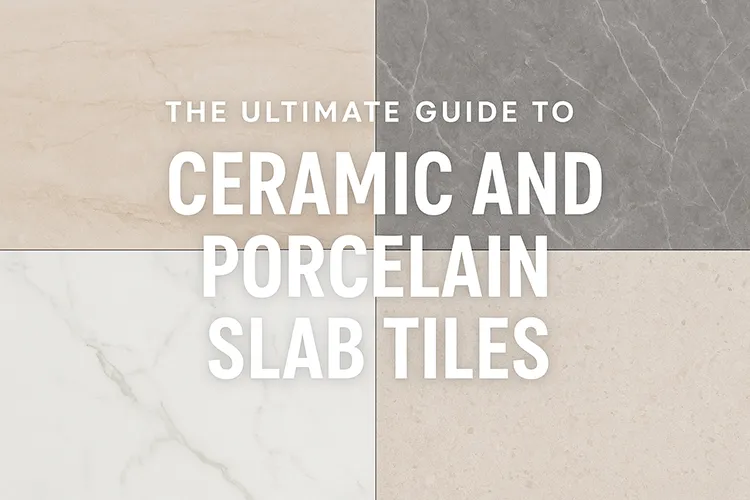
Slab ceramic tiles have rapidly become one of the most innovative and desirable materials in modern architecture and interior design. Unlike traditional tiles, which are limited in size and application, slab ceramics open the door to seamless surfaces, luxurious finishes, and cutting-edge functionality. Their large-format design not only minimizes grout lines but also enhances visual continuity, making spaces appear larger and more sophisticated.

Slab ceramic tiles
In today’s construction and design industry, homeowners, architects, and designers are constantly seeking materials that combine durability, beauty, and versatility. Porcelain slab tiles, with their resistance to stains, scratches, and extreme weather conditions, are quickly replacing natural stone and smaller ceramic tiles in both residential and commercial projects. From kitchen countertops to exterior facades, slab ceramics have redefined how we approach flooring, cladding, and even custom furniture design.

Slab ceramic tiles
What are slab ceramic tiles?

What are slab ceramic tiles, and how are they different from regular ceramic tiles? This is one of the most common questions among buyers and homeowners exploring modern flooring and wall covering solutions.
Suggested Article: How To Distinguish Porcelain Tiles From Ceramic Tiles?
The term slab literally means a large sheet or panel, which explains why slab ceramic tiles are produced in oversized formats that cover wide areas with fewer joints. Depending on their size, each tile can span more than one square meter, creating seamless surfaces that transform the look of any space.
Unlike traditional tiles, slab ceramic tiles are designed in large-scale sheets and manufactured using advanced technology. They come in a wide variety of finishes, colors, and patterns, many of which are inspired by natural stone and wood. These features make them not just a practical choice but also an aesthetic element in contemporary architecture and interior design. Their size, minimal grout lines, and modern appearance are the key differences that set them apart from ordinary ceramics.
The global demand for slab ceramic tiles has significantly increased as architects and interior designers seek materials that combine durability, luxury, and visual impact. Their popularity lies in their ability to cover vast surfaces with a unified look while maintaining high technical performance. Thanks to their thin body and strong structure, they are also perfect for renovation projects, as they can be applied over existing surfaces without adding excessive weight.
Suggested Article: Stone vs Ceramic Tiles
Another advantage of slab ceramic tiles is their versatility in finish. They are available in matte, glossy, metallic, and textured styles, with natural vein patterns that mimic stone or marble. This allows them to be seamlessly combined with other materials such as natural wood or stone, offering endless design possibilities. Many luxury residential and commercial projects now rely on slab ceramic tiles or porcelain slab tiles for flooring, wall cladding, countertops, fireplaces, and even elevator walls, as they bring a bold and elegant statement to interiors.
Common dimensions for slab ceramic tiles include 120×240 cm, 240×360 cm, and even larger formats, giving designers the freedom to create stunning, uninterrupted surfaces. These oversized slabs are especially suitable for living rooms, lobbies, bathrooms, open kitchens, and commercial spaces where visual impact is essential. By reducing the number of joints, they create a sleek and continuous look, which is one of the primary reasons they are highly sought after in modern design.
Suggested Article: Ceramic vs Porcelain Tiles
In this guide, we will take a closer look at the characteristics, applications, and benefits of slab ceramic tiles, along with how they compare to porcelain slab tiles, so you can make an informed decision when choosing the right material for your next project.
Applications and Features of Slab Ceramic Tiles

Applications and Features of Slab Ceramic Tiles
When discussing slab ceramic tiles, one of the first things to clarify is what designers and manufacturers mean by large-format tiles or porcelain slab tiles. These terms describe oversized surfaces that go far beyond the standard dimensions of regular tiles, offering a new approach to flooring and wall coverings. But why has this material become so popular in recent years? Is it simply a passing trend, or does it represent a permanent shift in the tile industry?
For many buyers, questions naturally arise when they first see these massive slabs: Is this just a temporary design phase? Are large formats truly more beneficial than standard-sized tiles? Will installing them guarantee long-term success? These doubts are reasonable, especially when working with a material of such impressive dimensions. That is exactly why this guide seeks to address these concerns in detail and explain why the market has embraced these slabs so strongly.
Suggested Article: Exporting Porcelain Tiles from Iran
Globally, leading tile manufacturers have invested heavily in the production of large-format ceramics. Setting up a fully functional production line for slab ceramic tiles can take at least two years of continuous development and testing. Clearly, no company would dedicate such significant time and financial resources to a product they believed was destined to fail. On the contrary, this level of commitment shows that the industry sees slab ceramics and porcelain slab tiles as a long-term innovation, not a passing trend.
The ongoing promotion of these products by major tile producers has also had a major influence on both distributors and end users. Today, the demand for large-format slabs is steadily rising, and their adoption in modern architecture and design continues to expand worldwide. This strong momentum demonstrates that slab ceramic tiles are here to stay, offering benefits that go beyond aesthetics making them a practical, reliable, and highly desirable solution for both residential and commercial projects.
Suggested Article: Ceramic tile export from Iran

Using slab ceramic tiles for kitchen island countertop
For tile installers, everything changes when it comes to handling large-format materials. Unlike standard tiles, working with slab ceramic tiles requires adjustment, new techniques, and in many cases, specialized tools. Those who are willing to adapt, overcome their initial hesitation, and embrace the challenge often find it highly rewarding both in terms of skill recognition and financial gain. Not every installer dares to work with formats that can easily exceed three square meters per piece, which is why professionals who master this craft stand out in the industry.
Suggested Article: Exporting Porcelain floor tiles from Iran
The profitability of this type of work lies not only in the size of each slab but also in the higher value of the material itself. Because the cost of porcelain slab tiles and other large-format ceramics is significantly higher than standard tiles, precision becomes critical. Any error or damage to a single sheet can result in serious financial loss. For this reason, specialized equipment and proper installation techniques are essential.
In terms of applications, most large-format slabs are made from porcelain, though alternatives such as engineered materials and porous stones are also available. Slab ceramic tiles are widely used in kitchens and bathrooms, but their versatility extends far beyond those areas. They are increasingly installed in living rooms, reception halls, luxury commercial spaces, and even outdoor environments. Their minimal joints, durability, and stunning aesthetic make them suitable for almost any interior or exterior design project.
Suggested Article: Effective methods to remove stains from ceramic and porcelain tiles
Some of the most common areas where slab ceramic tiles and porcelain slab tiles are used include:
- Bathrooms and wet areas
- Kitchens and countertops
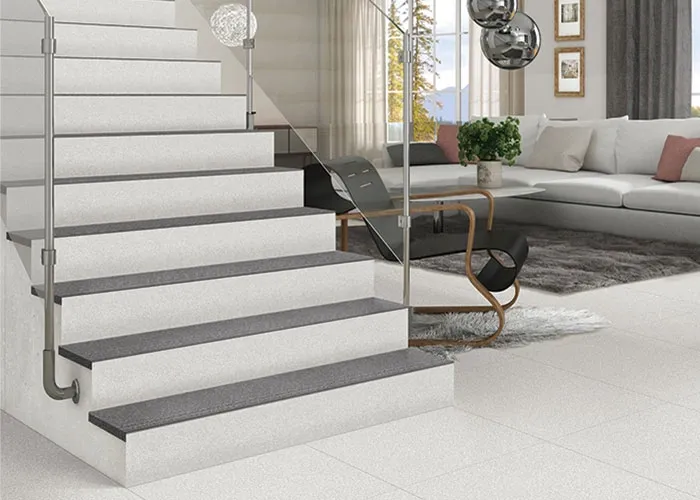
- Staircases
- Reception halls and banquet venues
- Cinemas and theaters
- Beauty salons and clinics
- Offices and high-traffic corporate spaces
- Factories and industrial interiors
- Fireplace surrounds
- Furniture tops and custom surfaces
- Outdoor kitchens and barbecue counters
- Cabinet counters and backsplashes
- Open-air tabletops and patio spaces
This broad range of applications illustrates why large-format ceramics have become a preferred material for both residential and commercial projects. Their strength, elegance, and adaptability make them one of the most reliable solutions in contemporary interior and exterior design.
Suggested Article: Exporting tiles to Europe from Iran

Using slab ceramic tiles for floor
Among the latest innovations in flooring and wall panel design, porcelain slab tiles stand out as one of the most versatile and high-performing materials. These large-format surfaces are especially valued in modern architecture because they provide seamless coverage and a refined aesthetic that smaller tiles cannot achieve. By definition, a large-format tile is one in which at least one side measures 40 centimeters or more. However, many of the slabs currently on the market go far beyond this threshold, with some manufacturers even classifying them as “extra-large format” tiles.
Suggested Article: Exporting tiles from Iran to GCC countries
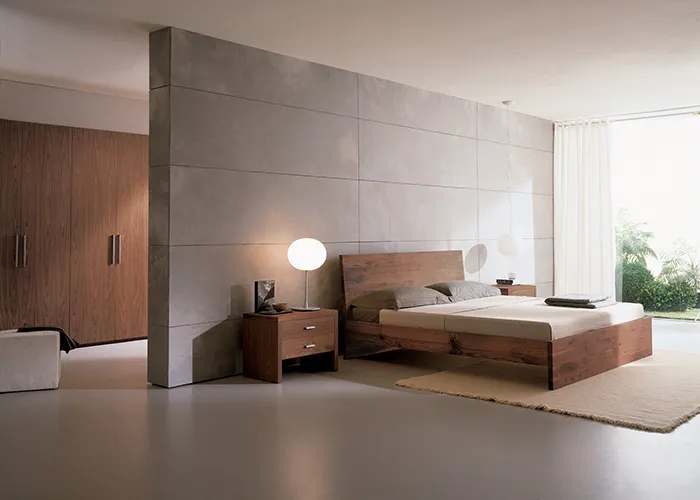
The advantages of such oversized designs are significant. With each piece covering expansive areas, designers and installers can achieve a sleek, continuous look with fewer joints and interruptions. This makes slab ceramic tiles and porcelain slabs particularly suitable for contemporary spaces that prioritize minimalism and visual harmony. The sheer size of these tiles also reduces installation time, while creating a dramatic impact that highlights the beauty of both residential and commercial interiors.
To better understand the difference between traditional tiles, slab ceramic tiles, and porcelain slab tiles, it is essential to explore not just their size but also their performance, durability, and long-term applications. By doing so, homeowners, architects, and builders can choose the material that best fits their design vision and functional requirements.
Suggested Article: Exporting porcelain wall tiles from Iran
Advantages of Large-Format Slab Ceramic Tiles

Advantages of Large-Format Slab Ceramic Tiles
One of the main reasons why slab ceramic tiles and porcelain slab tiles have become increasingly popular in both residential and commercial projects is the wide range of practical benefits they offer. These tiles are not only visually impressive but also extremely durable and versatile, making them suitable for almost any type of surface. Below are the key advantages that set them apart from traditional materials:
- Exceptional strength and scratch resistance – The surface of porcelain slab tiles is so strong that it is nearly impossible to scratch. In fact, you can even cut food directly on the surface without damaging it (although ceramic knives should be avoided).
- High resistance to wear and abrasion – Ideal for high-traffic areas, slab ceramic tiles maintain their appearance even after years of use.
- Low porosity and stain resistance – With an absorption rate close to zero, liquids cannot penetrate the surface. This means the tiles remain stain-free and maintain the same look as the day they were installed. Oil, grease, and other common kitchen substances will not leave marks, making them truly anti-stain.
- Acid and chemical resistance – Everyday household substances such as lemon juice or vinegar will not damage the tiles, ensuring long-lasting performance.
- Hygienic and easy to clean – These surfaces are non-porous and therefore resistant to bacteria and organic materials. They are safe for direct contact with food and require minimal maintenance.
- Anti-slip properties – Their texture provides safe and stable flooring, especially in wet or high-traffic areas.
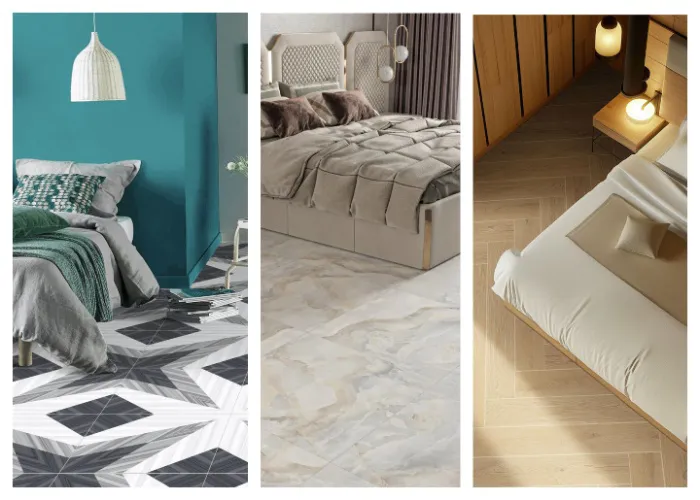
- Customizable finishes – Available in a wide range of textures and designs, including imitations of natural materials like wood or stone, slab ceramic tiles allow for endless design possibilities.
- Weather and frost resistance – Withstanding extreme cold and ice, they are ideal for exterior facades, terraces, and outdoor applications.
- Color stability – Even with prolonged exposure to sunlight or outdoor conditions, the colors do not fade. Their strong resistance to UV rays ensures that brightness and vibrancy remain intact over time.
- Fire resistance – These tiles do not burn or emit toxic gases when exposed to fire. Hot pans or cooking utensils can be placed directly on the surface without risk of damage.
- Versatility – Slab ceramic tiles are produced in multiple colors, finishes, formats, and thicknesses, making them adaptable to every design requirement. The same material can be used across countertops, walls, and floors in different thicknesses, creating a unified and elegant aesthetic throughout a space.

ceramic slabs tiles for flooring and walls
Thanks to these advantages, slab ceramic tiles and porcelain slab tiles have become the go-to solution for architects and designers who want a material that combines strength, hygiene, safety, and timeless beauty in one package.
Suggested Article: Exporting Glazed Ceramic Tiles from Iran
Large-format slab ceramic tiles are not just functional building materials; they also redefine interior and exterior design possibilities. Their sleek and oversized dimensions replicate the look of natural stone, bringing elegance and sophistication to any setting. Below, we explore both the advantages and limitations of using slab ceramics in modern projects.
Key Advantages of ceramic slab tiles
- Sophisticated and seamless design – Thanks to their large size, slab ceramic tiles reduce the number of grout lines, creating a cleaner, more continuous surface that enhances visual harmony.
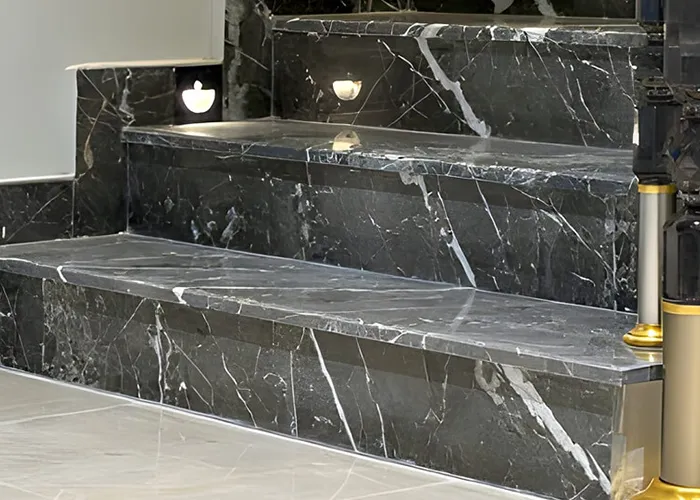
- Natural stone aesthetics – Many designs perfectly mimic marble, granite, or other natural stones. Some tiles are available in book-match or four-match patterns, making them ideal for feature walls, grand entrances, or statement areas.
- Strong visual impact – Their slim yet expansive dimensions make them suitable for facades, lobbies, kitchens, bathrooms, and living spaces. They provide maximum aesthetic value with minimal interruption.
- Modern applications – Beyond traditional flooring and walls, slab ceramic tiles can be used creatively for countertops, vanities, fireplaces, bar tops, decorative furniture surfaces, and even outdoor installations like barbecues.
- Durability and safety – Despite misconceptions, large-format porcelain slab tiles are extremely strong and resistant to cracking. Their reduced number of joints also prevents dirt buildup, making cleaning easier and more hygienic.
- Artistic versatility – Many slabs are human-designed, with unique prints, textures, and colors ranging from traditional motifs to contemporary styles. Because they are not entirely machine-made, customization and digital printing allow architects to add truly unique touches.
- Practical benefits – Large tiles speed up installation when handled correctly, as each slab covers a larger surface area. With the right tools and skilled installers, projects can progress faster and look more refined.
Suggested Article: Best floor tiles from Iran
Disadvantages of ceramic slab tiles
While the advantages are impressive, slab ceramic tiles are not without challenges:
- Higher costs – Large slabs tend to be more expensive compared to standard formats, which may not suit every budget.
- Installation complexity – Because of their size, they require specialized handling and professional installation. Mistakes during installation can lead to significant material loss.
- Potential waste during cutting – Trimming large pieces can sometimes result in more offcuts compared to smaller tiles.
- Cold surface in winter – Due to their mass and size, slab ceramic tiles can feel colder during winter months unless underfloor heating or rugs are used.
Suggested Article: Exporting tiles to African markets from Iran
Why Choose Large-Format Tiles?
Despite a few disadvantages, slab ceramic tiles and porcelain slab tiles offer undeniable benefits that make them a preferred choice for architects and homeowners:
- Fewer grout lines and easier maintenance
- Create the illusion of larger, more open spaces
- Can be installed directly over existing flooring
- Offer superior durability and long lifespan
- Suitable for multiple surfaces – walls, floors, countertops, facades, and more
- Require fewer cuts and generate less waste compared to smaller tiles
- A cost-effective alternative to marble or natural stone without the weight or price tag
- Available in porcelain variants, which guarantee higher durability, water resistance, and design flexibility
In short, whether you want to achieve a sleek, modern interior or a durable surface for high-traffic areas, slab ceramic tiles provide both beauty and performance, making them an investment worth considering.
Suggested Article: Export floor tiles from Iran
Difference Between Tile, Slab, and Flagstone
When customers first hear terms like tiles, slabs, and flagstones, it’s natural to feel a little confused. These three materials are often mentioned together in flooring and cladding projects, but each has distinct features, sizes, and applications. Below is a simple comparison to clear up the differences.
-
Tiles (Tile)

Tiles for the floor
- Size & Thickness: Tiles are generally the smallest in size compared to slabs and flagstones. Standard ceramic or porcelain tiles usually measure under 40–50 cm per side and are often less than 1 cm thick (though thicker varieties exist).
- Design Variety: Available in countless shapes, colors, and finishes, making them the most versatile for interior design.
- Installation: Easy to install, lightweight, and budget-friendly.
- Common Uses: Ideal for kitchens, bathrooms, walls, and residential floors.
Suggested Article: Exporting bathroom tiles from Iran
-
Slabs (Slab)

Slab tiles for walls
- Size & Appearance: A slab can be imagined as a combination of multiple tiles in one large piece. They are much bigger in format, sometimes covering several square meters in a single sheet.
- Thickness: Thicker than tiles, typically between 0.6 – 2 cm, depending on the material (ceramic, porcelain, or stone).
- Design: Mimic natural stone (like marble or granite) with seamless finishes. Often produced in book-match or four-match designs for luxurious interiors.
- Common Uses: Popular for countertops, vanities, feature walls, hotel lobbies, and other high-end residential and commercial projects.
Suggested Article: Exporting slab tiles from Iran
-
Flagstones (Flagstone)

Flagstone for floor
- Material & Thickness: Flagstone is a type of natural stone that is much thicker and heavier compared to tiles and slabs.
- Shape: Unlike tiles and slabs, flagstones don’t follow regular shapes; they often have irregular, rustic edges.
- Durability: Extremely hard and durable, making them suitable for outdoor paving.
- Installation: More difficult to install due to irregular shapes and heavy weight.
- Common Uses: Outdoor walkways, patios, driveways, and landscaping.
Suggested Article: Export ceramic wall tiles from Iran
Why Choose Porcelain Slabs for Countertops?

Why Choose Porcelain Slabs for Countertops?
Porcelain slab ceramics are becoming one of the most popular choices for countertops and work surfaces because they are:
- Seamless & hygienic – Large sheets minimize joints, preventing dirt buildup.
- Lightweight & eco-friendly – Easy to transport, cost-effective, and recyclable.
- Non-porous – Resistant to stains, water absorption, oils, and bacteria, making them food-safe.
- Heat & scratch resistant – You can place hot pans directly without damage.
- Long-lasting & color-stable – Resistant to frost, UV rays, acids, and scratches.
This makes porcelain slabs an excellent alternative to natural stone like granite or marble—at a fraction of the weight and cost.
Conclusion

Slab ceramic tiles: the perfect balance of beauty, strength, and modern design
In conclusion, slab ceramic tiles represent far more than just a flooring option they embody a complete design solution for modern living. Their impressive size, resistance to wear and tear, and ability to replicate natural materials like marble or wood make them a premium yet practical choice. While traditional tiles and flagstones each have their place, porcelain slab tiles stand out as the future of both interior and exterior design.
By investing in slab ceramics, you’re not just upgrading the look of your home or workspace; you’re choosing a surface that offers longevity, hygiene, and timeless elegance. Whether for countertops, walls, or floors, slab ceramic tiles bring together the strength of porcelain with the beauty of natural stone delivering results that truly transform any environment.