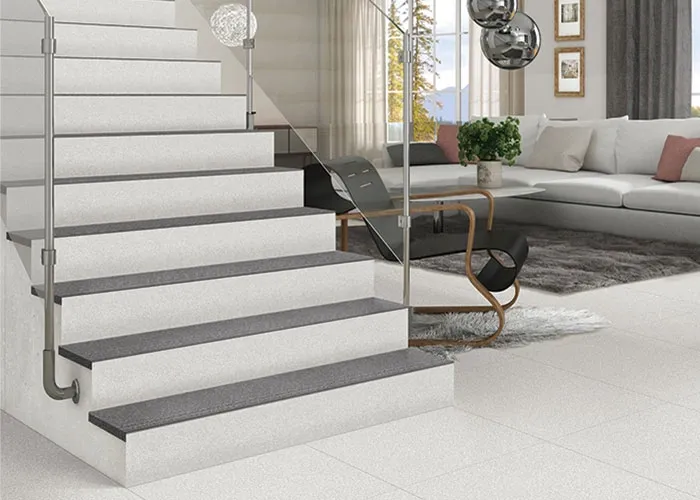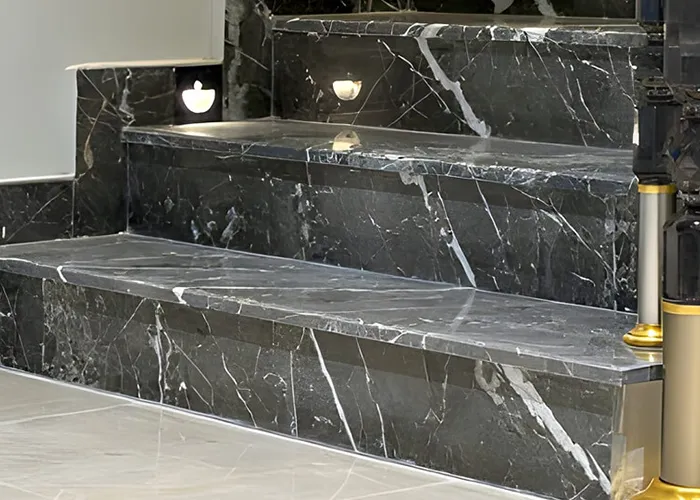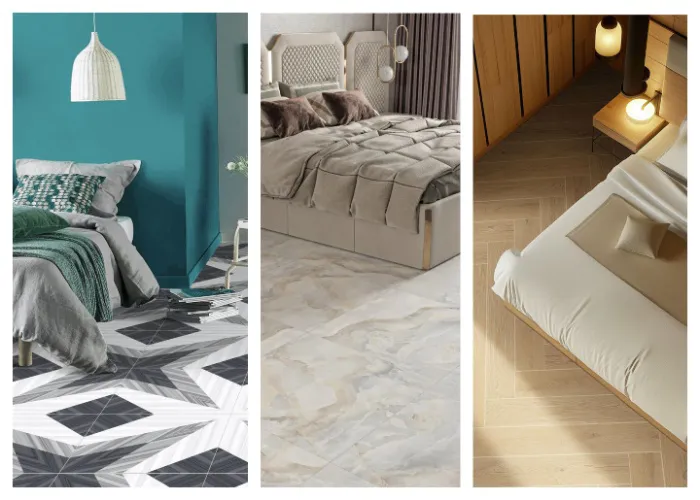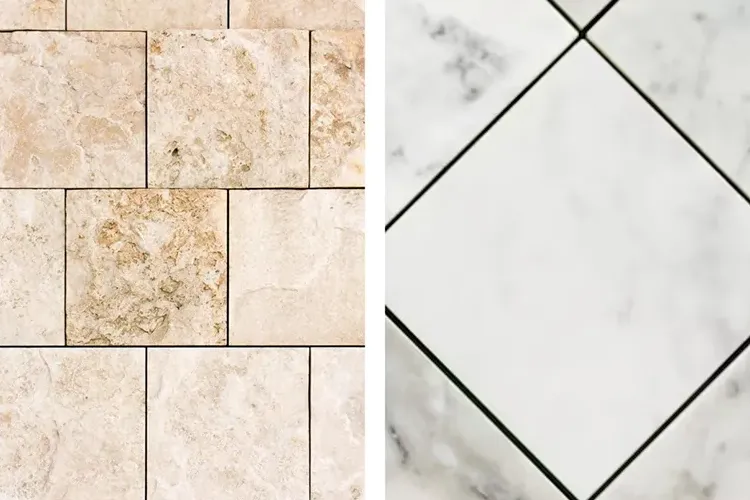
Stone tiles vs ceramic tiles is a common question for anyone looking to choose the perfect flooring material for their home or workspace. Both options bring unique benefits, styles, and costs to the table. Natural stone offers unmatched elegance and durability with its one-of-a-kind textures and colors, while ceramic tiles provide versatile designs, affordability, and easy maintenance. Understanding the differences in durability, cost, maintenance, color options, and installation will help you make an informed decision that matches your style, budget, and practical needs. This article dives deep into every important aspect of stone tiles vs ceramic tiles to guide you toward the best choice for your flooring project.
Suggested Article: How To Distinguish Porcelain Tiles From Ceramic Tiles?

Stone vs Ceramic Tiles: Pros, Cons, and How to Choose

Stone vs Ceramic Tiles: Pros, Cons, and How to Choose
The question of choosing between stone tiles vs ceramic tiles is one that many homeowners and interior designers often face. Natural stone carries a timeless elegance, making it one of the most luxurious and high-end materials in the construction industry. It offers unique patterns and textures that cannot be perfectly replicated, which is why it has long been associated with prestige and exclusivity.
Suggested Article: Exporting Porcelain Tiles from Iran
On the other hand, advancements in tile manufacturing have brought ceramic tiles to a whole new level. Today’s ceramic options come in an impressive range of designs and colors, often mimicking the look of natural stone or even wood—yet at a much more affordable price point. This innovation has made the decision between the two flooring types more challenging than ever.
In this article, we will explore every aspect of these two popular flooring options, comparing their aesthetics, durability, cost, and maintenance requirements. By the end, you will have a clear understanding of the main differences between stone tiles and ceramic tiles, enabling you to make an informed decision that matches your space, lifestyle, and budget.
Suggested Article: Ceramic tile export from Iran
Differences Between Stone Tiles and Ceramic Tiles
When it comes to selecting the right flooring for your home or workplace, the choice between stone tiles and ceramic tiles is among the most common dilemmas. Flooring plays a significant role in defining the overall style and atmosphere of a room—it should be both visually appealing and built to last.
Two of the most widely used options are natural stone and ceramic tiles. Although both can offer similar visual appeal, there are notable differences in their composition, performance, and suitability for different spaces. Understanding these differences, along with the pros and cons of each, will guide you toward making the best choice for your project.
Suggested Article: Exporting Porcelain floor tiles from Iran
Natural stone is exactly what its name suggests—a product of nature. It is quarried directly from the earth and cut into tile form. Common types of natural stone used as tiles include marble, limestone, slate, and travertine. These stones have adorned buildings and works of art for centuries, valued for their timeless beauty and unique character.
Ceramic tiles, on the other hand, are a man-made product. They are crafted from a mixture of clay that is shaped and then fired in a kiln at temperatures exceeding 1,000 degrees Fahrenheit. Ceramic tiles are available in both glazed and unglazed varieties, each offering different benefits in terms of appearance and protection.
Suggested Article: Exporting tiles to Europe from Iran
From a budget perspective, ceramic tiles are often the more affordable choice for renovation projects. However, natural stone possesses a level of elegance and sophistication that ceramic cannot fully replicate. If your budget allows for natural stone, it can be a long-term investment that adds beauty and value to your home for many years to come.
Suggested Article: Exporting tiles from Iran to GCC countries
Differences Between Stone Tiles and Ceramic Tiles in Design and Performance

Differences Between Stone Tiles and Ceramic Tiles in Design and Performance
Both ceramic tiles and natural stone share several similarities. They are hard-surfaced flooring options, highly durable, water-resistant, and capable of lasting for decades in various environments. The key difference lies in the surface finish: ceramic tiles can be glazed, providing an extra layer of protection against stains and scratches.
Ceramic tiles also offer incredible versatility in design. Through advanced manufacturing techniques, they can mimic the appearance of other materials such as wood, glass, or metal—and yes, even natural stone. This makes ceramic a flexible option for those who want the aesthetic of high-end materials without the associated cost or maintenance requirements.
Suggested Article: Exporting porcelain wall tiles from Iran
For a deeper understanding of the materials used in ceramic tile production and the manufacturing process, exploring specialized guides on ceramic tile composition can provide valuable insight.
Stone Tile vs Ceramic Tile Durability
Natural stone tiles are cut from solid pieces of stone, giving them a uniform yet organic look. They can be used for both floors and walls throughout the home. Marble, granite, limestone, travertine, and slate are among the most popular types of natural stone tiles, each offering a luxurious and upscale appeal. These materials can significantly increase a property’s resale value, especially when featured in high-visibility spaces like kitchens and bathrooms.
Because natural stone is entirely created by geological processes, its color patterns can vary greatly from one tile to another. This uniqueness is part of its charm, but it also contributes to its position as one of the more expensive flooring options on the market. Natural stone can be installed indoors or outdoors, seamlessly transitioning from a living room to a sunroom or even a backyard patio.
Suggested Article: Exporting Glazed Ceramic Tiles from Iran
Slate, in particular, has long been used in both flooring and architecture. Formed over thousands of years under intense geological pressure, it offers unmatched durability. Many types of natural stone can withstand heavy foot traffic and perform exceptionally well in temperature-variable areas such as entryways or outdoor spaces. While durability varies by stone type, in terms of resistance to chipping and cracking, natural stone generally outperforms ceramic tiles.
Natural Stone Tiles vs Ceramic Tiles: Color and Uniqueness
In terms of color selection, natural stone limits you to what nature provides—but that range is far from dull. Popular shades include browns, grays, and creams, while premium stones like marble and onyx can display stunning shades of green, blue, red, and more.
Because natural stone is not manufactured in a factory, no two sets of tiles are identical. This individuality gives any project a distinctive style and can potentially increase the value of a home. Many stone tiles are naturally porous, but sealing them enhances their resistance to moisture. This is why materials like marble are often chosen for bathroom walls and floors.
Suggested Article: Best floor tiles from Iran
When to Avoid Choosing Natural Stone Over Ceramic Tiles
While stone tiles vs ceramic tiles both have their advantages, there are situations where opting for ceramic might make more sense. For example:
- If you have a limited budget and want to keep costs lower
- If you prefer a material that is easier to install yourself
- If achieving an exact color match is important for your design
- If low-maintenance flooring is your top priority
Caring for natural stone is not difficult, but it may require resealing every few years. Additionally, certain cleaning agents can damage the surface, so it’s important to use stone-safe products.
Suggested Article: Exporting tiles to African markets from Iran
Types of Natural Stone Tiles

Types of Natural Stone Tiles
Several types of natural stone are commonly used for flooring, each with its own distinct properties. The most popular include slate, marble, limestone, travertine, and granite.
-
Slate
Slate is a metamorphic stone formed from sedimentary rock through years of natural heat and compression. This process gives it exceptional structural strength, making it resistant to cracking and breaking. However, slate tiles can be prone to chipping along their edges. Naturally porous, like all stone, slate should be chemically sealed after installation to enhance its durability.
Suggested Article: Export floor tiles from Iran
-
Marble, limestone, and travertine
Marble, limestone, and travertine are sedimentary stones, created from the long-term compression of fossilized remains. These stones offer a classic, timeless look but vary in hardness and porosity, requiring regular sealing for protection.
-
Granite
Granite is an igneous rock formed by the cooling and solidification of molten material. It is one of the hardest substances known to man, offering superior resistance to cracks and breakage. Granite can be polished, honed, or left in its natural state, and while it is highly resistant to stains and water, it is still slightly porous and should be sealed to protect both the stone surface and the grout lines.
-
Limestone
Limestone has medium density and strength, with a porous surface that should be sealed. Over time, it develops a charming aged look reminiscent of classical stone architecture.
Suggested Article: Exporting bathroom tiles from Iran
-
Sandstone
Sandstone is highly porous and requires frequent maintenance with a penetrating sealer and a surface sealant. Due to its water absorption, sandstone is generally not recommended for bathrooms or high-moisture environments.
Choosing the Best Natural Stone Tiles for Your Space
When selecting the ideal natural stone for your home, consider your budget, aesthetic preferences, and the intended installation area.
- Slate and granite are excellent choices for entryways, kitchens, and other high-traffic zones. A quality sealant will help maintain their appearance and prevent dirt from penetrating grout lines.
- Softer stones like marble, limestone, and travertine are better suited for bathrooms and low-traffic areas. Their porosity means they require sealing to prevent staining and moisture damage.
By evaluating where the stone will be placed and how much wear it will endure, you can make a decision that balances beauty, durability, and maintenance requirements—helping you compare stone tiles vs ceramic tiles more effectively for your project.
Suggested Article: Exporting slab tiles from Iran
Advantages of Using Natural Stone Tiles

Advantages of Using Natural Stone Tiles
Because natural stone is formed in nature, it offers exceptional resistance to weather and wear. Unlike ceramic, it cannot be easily reproduced from synthetic materials, giving it an inherent exclusivity. This unique origin and texture often make stone tiles more valuable than their ceramic counterparts, and they can significantly increase your home’s market value.
In the context of stone tiles vs ceramic tiles, natural stone also delivers a timeless, luxurious appeal. Its unique veining and color variations create a one-of-a-kind look that simply cannot be mass-produced. Whether used in entryways, kitchens, or bathrooms, stone tiles bring both elegance and durability.
Suggested Article: Export ceramic wall tiles from Iran
Disadvantages of Natural Stone Tiles
Natural stone is generally more expensive than ceramic due to its rarity and uniqueness. While the variations in color and texture can be visually appealing, they may also create a busy pattern that doesn’t suit every design. Maintenance can be more challenging—its uneven surface makes sealing and cleaning less straightforward.
Additionally, incorrect installation or poor sealing can reduce the longevity and beauty of the stone. Understanding these limitations is crucial when comparing stone tiles vs ceramic tiles to make the best flooring choice.
Reasons to Choose Ceramic Tiles as Flooring

Reasons to Choose Ceramic Tiles as Flooring
Ceramic tiles are mass-produced rather than cut from natural materials, which makes them more affordable than stone tiles. This cost-effectiveness is often passed on to the buyer, making ceramic a budget-friendly option without compromising style.
In terms of color selection, ceramic offers far greater variety. Unglazed ceramics are limited to natural clay tones, while glazed ceramic tiles are available in almost any shade imaginable. If your project demands a specific or unusual color, glazed ceramic is likely to meet your needs.
Unglazed ceramic is not suitable for wet areas, but glazed ceramic tiles provide excellent moisture resistance, making them ideal for bathrooms and laundry rooms. The protective glaze also allows for easy cleaning using wet mops or standard cleaners. Although occasional sealing of grout may be necessary, overall, ceramic tile maintenance is simple and hassle-free—making it an appealing alternative in the stone tiles vs ceramic tiles debate.
Installing Ceramic Tiles
While it is almost always better to hire professionals for tile installation, if you decide to take on the job yourself, ceramic tiles are the better choice. Compared to other tile materials, they are easier to cut, handle, and align. This makes them a more beginner-friendly option in the stone tiles vs ceramic tiles comparison.
However, ceramic might not be the right choice if:
- Durability is your top priority.
- You want your tile project to increase your home’s resale value significantly.
- The tiles will be placed outdoors or in areas with extreme temperatures.
- You prefer tiles that are truly one-of-a-kind.
Another consideration is that the color or pattern in ceramic tiles exists only in the glaze layer. Chips and cracks can expose the clay beneath, making the damage more visible.
Types of Ceramic Tiles

Types of Ceramic Tiles
Understanding the different types of ceramic tiles can help you better evaluate stone tiles vs ceramic tiles for your flooring project. Ceramic is a man-made clay-based material that is fired in a kiln and usually glazed to complete its design. These durable tiles work well in both wet and dry locations, making them ideal for entryways, kitchens, laundry rooms, and even bathrooms.
Because ceramic is manufactured, it is available in more consistent colors and is generally more affordable than natural stone flooring. Ceramic floor tiles come in glazed and unglazed varieties. Unglazed ceramic shares some disadvantages with natural stone, particularly in terms of porosity.
-
Glazed Ceramic Tiles
The vast majority of ceramic tiles are produced with a glaze that forms an impermeable seal over the natural clay base. This hard surface is waterproof, highly stain-resistant, and requires no additional sealers or protective coatings.
-
Unglazed Ceramic Tiles
Unglazed ceramic is made from clay and sediments that are fired at high temperatures. In its natural state, it is highly porous and absorbs liquids and staining agents easily. Applying a high-quality ceramic tile sealer can reduce this issue. Unglazed tiles are often chosen for their raw, rustic beauty, even though they may require more maintenance compared to glazed options.
Advantages of Ceramic Tiles

Advantages of Ceramic Tiles
Ceramic tiles are an excellent choice if you want your flooring to have a consistent and uniform pattern. Unlike natural stone, which hardens through natural processes, ceramic tiles are shaped before being kiln-fired, reducing variations in color and design. In the stone tiles vs ceramic tiles comparison, ceramics generally come at a lower cost, making them a budget-friendly option for many homeowners.
For easy cleaning, glazed ceramic tiles are the best choice. During production, they are treated with a waterproof and stain-resistant seal, so no additional protection is needed after installation. If you opt for unglazed ceramic tiles—highly attractive for rustic designs—be sure to seal them immediately after installation. Unglazed ceramics can stain more easily due to their porous nature.
Disadvantages of Ceramic Tiles
Compared to natural stone, ceramic tiles have lower resistance to extreme weather and are better suited for indoor use. In cold climates, it is recommended not to install ceramic tiles near home entryways or in areas exposed to severe heat or cold, as temperature fluctuations can cause cracks or breakage.
Recent innovations, especially in porcelain ceramics, have narrowed the durability gap between stone tiles vs ceramic tiles, but stone still holds the advantage in extreme outdoor conditions.
Comparing Stone Tiles vs Ceramic Tiles as Flooring

Comparing Stone Tiles vs Ceramic Tiles as Flooring
When it comes to stone tiles vs ceramic tiles, several factors should be considered: cost, durability, maintenance, cleaning ease, and color variety. Natural stone tends to be more durable and unique, often increasing property value. Ceramic, on the other hand, offers consistency, affordability, and lower maintenance.
In the next section, we’ll examine these aspects in detail so you can make an informed decision for your flooring project.
Maintenance Differences Between Stone Tiles vs Ceramic Tiles
Once your flooring is installed, regular maintenance is essential to keep it looking new. While both natural stone and ceramic tiles require cleaning, the process differs due to their material properties.
In terms of porosity and water resistance, unglazed ceramic tiles are similar to travertine stone—they require periodic sealing to prevent stains. Fully natural stone tiles also need sealing, even in harder varieties like granite or slate. On the other hand, glazed ceramic tiles offer excellent water resistance, eliminating the need for sealing the tile surface itself. However, in both stone tiles vs ceramic tiles, grout lines should always be sealed to prevent discoloration and staining, unless epoxy grout is used, which is inherently stain-resistant.
- Natural Stone Tiles
Natural stone materials are inherently porous and need a penetrating sealer or coating to fill the pores and protect them from moisture and stains. Depending on the stone type, sealing may need to be reapplied periodically. For daily care, avoid acidic cleaners, as they can etch and damage the stone surface.
- Ceramic Tiles
Glazed ceramic tiles are ready for use without additional sealing. For stain prevention, it’s advisable to seal the grout. Unglazed ceramic or terracotta tiles require sealing—just like natural stone—to protect against moisture and staining. The durable glaze on ceramic tiles makes them compatible with a wide range of cleaning products, adding to their low-maintenance appeal.
Durability Comparison: Stone Tiles vs Ceramic Tiles
When choosing between stone tiles vs ceramic tiles, durability is often a deciding factor—especially if you want flooring that can last for decades. Both materials offer long-lasting performance, but their resilience depends heavily on the specific type you choose.
- Natural Stone Tiles
The durability of natural stone is determined by its type. Granite and slate are extremely tough and highly resistant to wear, while limestone and marble are softer and more prone to scratches and erosion over time. Natural stone is also subject to natural variations—some tiles may have hidden imperfections that could affect longevity.
- Ceramic Tiles
Ceramic durability is measured by the PEI (Porcelain Enamel Institute) rating. For floors, a PEI rating of 3 or higher is recommended for lasting performance. Lower PEI ratings are better suited for backsplashes or low-traffic areas like walls. Ceramic strength comes from the kiln-firing process—higher firing temperatures produce stronger materials, such as porcelain. For glazed ceramic tiles, the surface coating helps prevent scratches and reduces visible wear.
- Verdict
If you want a low-maintenance, stain-resistant, and hassle-free option, glazed ceramic tiles are ideal. However, they are not a natural product and, while they can mimic the look of stone, they cannot fully replicate the organic beauty of natural stone tiles. Many homeowners still choose natural stone despite the extra maintenance for its unique charm.
Color Variety: Stone Tiles vs Ceramic Tiles
Your choice of flooring color can completely change the mood and style of a room. The natural or manufactured origin of your material plays a big role in the available colors.
- Natural Stone Tiles
Available in a wide spectrum of earthy shades—from crisp whites to warm beiges and deep browns. Each piece is unique, with natural veining and color variations that add depth and character.
- Ceramic Tiles
As a man-made product, ceramic tiles offer virtually unlimited color options. They can be designed to imitate natural stone or even hardwood planks, making it easy to find a perfect match for any interior design style.
Cost Comparison: Stone Tiles vs Ceramic Tiles
When planning your flooring project, it’s important to consider not only the material cost but also installation and finishing expenses. Whether you hire professionals or do the installation yourself, tools and cutting supplies can significantly impact your total budget.
- Natural Stone Tiles
As a natural resource, stone tiles tend to be among the more expensive flooring options. Their luxurious appearance often justifies the higher cost if your budget allows, making them a worthwhile investment for enhancing home value and aesthetic appeal.
- Ceramic Tiles
Ceramic and porcelain tiles are some of the most affordable and durable flooring materials available. Prices vary depending on the style, finish, and quality grade of the tiles. Unglazed ceramic tiles are generally less expensive than glazed options, but may require additional sealing during installation, adding to the overall cost.
Cleaning Differences Between Stone Tiles vs Ceramic Tiles

Cleaning Differences Between Stone Tiles vs Ceramic Tiles
Natural stone surfaces are sensitive to acids, so acidic cleaners should always be avoided. Using such cleaners can trigger chemical reactions that cause permanent stains on the stone. In cases of spills involving acidic substances like vinegar, sealing the stone surface beforehand can help reduce the risk of damage.
Glazed ceramic tiles, on the other hand, allow for a wider range of cleaning products, including stronger disinfectants, making them easier to maintain. However, care should be taken not to damage the grout lines during cleaning, especially when using harsher chemicals. Proper ventilation is also important during cleaning, and always follow the manufacturer’s instructions for any cleaning product used.
Conclusion

Differences between stone tiles and ceramic tiles
When comparing stone tiles vs ceramic tiles, the decision ultimately depends on your priorities and the specific demands of your space. Natural stone stands out with its authentic beauty, durability, and the ability to increase your home’s value, but it requires more maintenance and a higher budget. Ceramic tiles excel in affordability, design flexibility, and low maintenance, making them ideal for many indoor applications, especially where ease of cleaning and moisture resistance are important.
By weighing the factors of cost, durability, upkeep, color variety, and installation requirements discussed in this article, you can confidently select the flooring material that best suits your lifestyle and enhances your home’s aesthetic appeal. Whether you choose the timeless charm of stone or the practical elegance of ceramic, both options offer lasting quality when properly cared for.