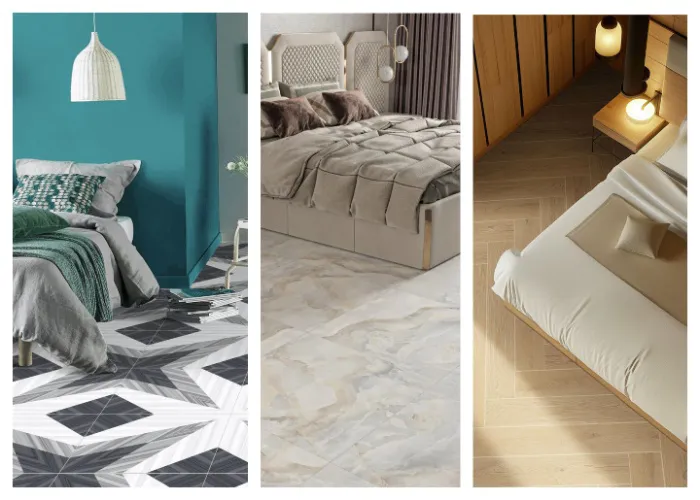
How to choose grout color is one of the most important design decisions that many homeowners often overlook. While tiles usually steal the spotlight, grout plays a powerful role in defining the final look and feel of a space. From subtle harmony to bold contrast, the shade of grout you select can completely transform the atmosphere of your room. This is why understanding the principles of grout selection is essential before starting any tiling project.
In The Ultimate Guide on Choosing Grout Color, we’ll explore how grout interacts with different types of tiles: geometric, monochrome, and wood-look and how the right choice can either blend seamlessly or make your tiles stand out. Whether you are aiming for a timeless aesthetic or a modern statement, grout is not just filler; it is an active design element that shapes your space.
How to choose grout color?
How to Choose Grout Color
When deciding how to choose grout color, it is important to see grout as more than just a filler between tiles it should be viewed as the partner of your tiles. Many people focus solely on selecting the right tile and overlook grout, but in reality, grout plays just as significant a role in the overall design. By adjusting the shade of grout you use, you can dramatically transform the character and mood of any space.
Suggested Article: How To Distinguish Porcelain Tiles From Ceramic Tiles?
For instance, if you install tiles with bold patterns or heavy textures, pairing them with a grout shade that blends seamlessly will create a cohesive look where the tile remains the star of the design. On the other hand, if you are working with geometric tiles, using a contrasting grout can highlight the shapes and bring extra depth and movement to the layout. Likewise, when working with wood-look tiles, complementary grout tones can enhance the natural aesthetic, creating a realistic and warm wooden appearance.
In this guide, you will learn how different grout colors can interact with various tile styles and how these combinations can completely shift the atmosphere of your space.
Suggested Article: The Difference Between Matte and Glossy Glazed Ceramic Tiles
Choosing Grout for Geometric Tile Designs
Choosing Grout for Geometric Tile Designs
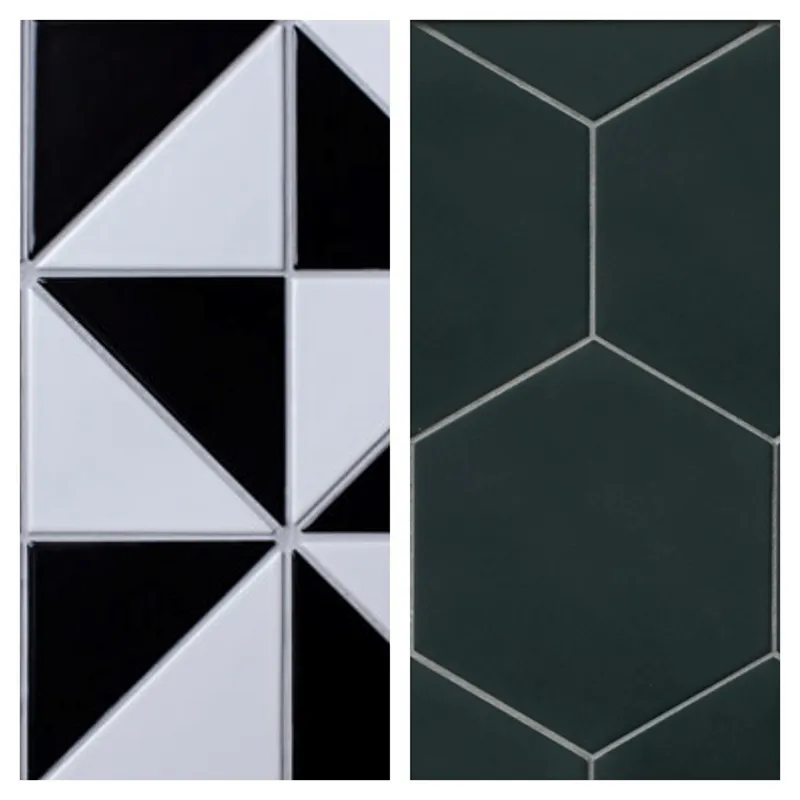
When learning how to choose grout color, one of the most exciting applications is with patterned or geometric tiles. Geometric designs have become increasingly popular in recent years, appearing in kitchens, bathrooms, and even feature walls. These tiles already bring strong visual interest, but the right grout choice can take their impact to another level.
Suggested Article: The Ultimate Guide to Slab Ceramic and Porcelain Tiles
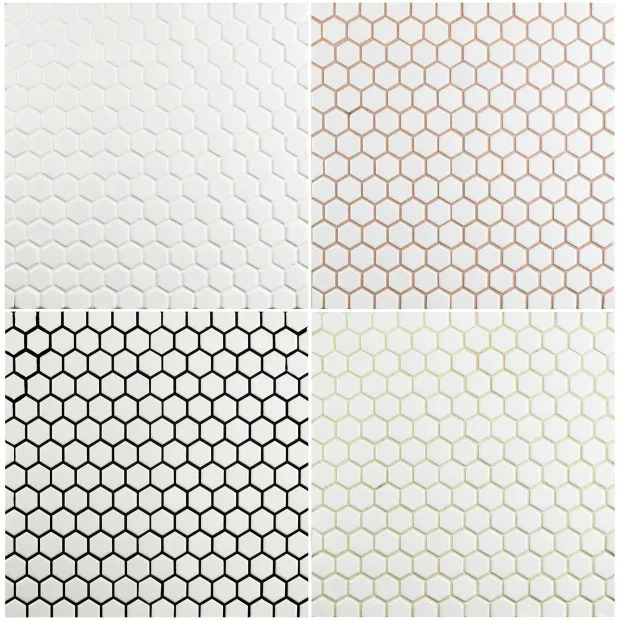
For example, when you pair bold geometric tiles with a grout color that contrasts sharply, the outlines of the shapes stand out, enhancing the movement and rhythm of the design. This technique is especially effective if you want the pattern to be the focal point of the room. On the other hand, if your tiles already feature intricate detailing and you prefer a more subtle finish, a coordinating grout shade can soften the contrast and allow the design to blend seamlessly into the space.
Ultimately, grout color for patterned tiles should either highlight the geometry or balance it, depending on the atmosphere you want to create. With the right choice, grout becomes an active design element rather than an afterthought.
Suggested Article: Stone vs Ceramic Tiles
Choosing Grout for Solid-Colored Tiles
Choosing Grout for Solid-Colored Tiles
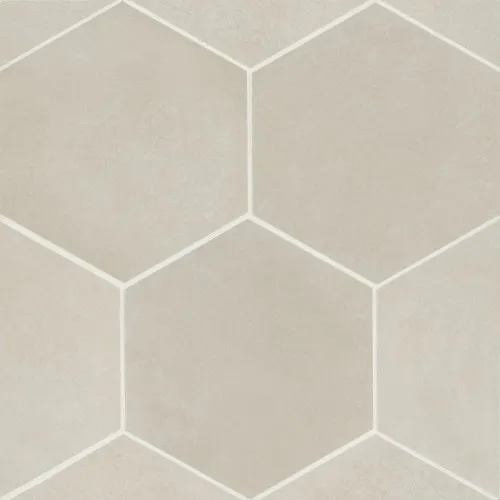
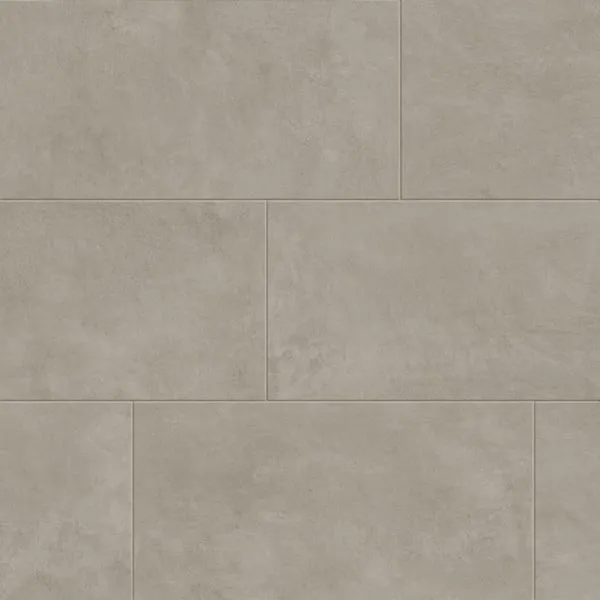
When considering how to choose grout color for tiles that are monochromatic yet textured, the strategy is slightly different from patterned designs. Large-format tiles in a single color often carry their own subtle texture or surface detail, which already provides visual depth. These types of tiles are commonly seen on shower walls, bathroom floors, or even in modern kitchens, and they create a sleek and contemporary look.
Suggested Article: Export ceramic wall tiles from Iran
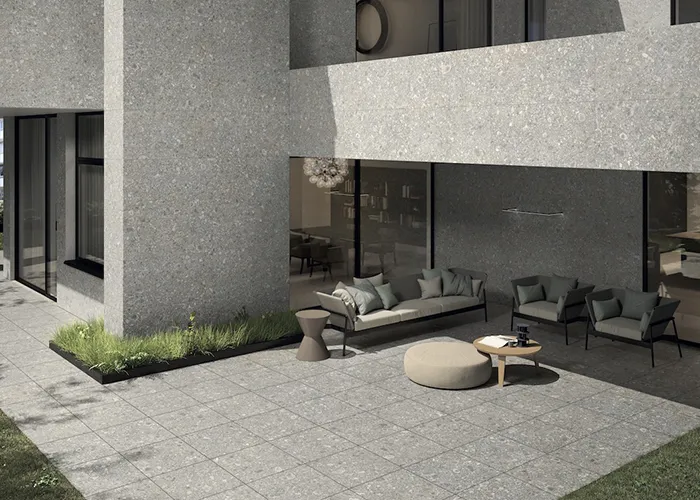
In such cases, the best approach is usually to select a grout color that closely matches the tile. A harmonious grout shade allows the natural texture and detailing of the tile to shine without distraction. Rather than drawing attention to the grout lines, this technique emphasizes the repetition of the tile’s surface pattern and keeps the overall design calm and unified.
By using a matching grout, you achieve a seamless finish where the tile and grout blend together. This not only enhances the sense of continuity but also creates a clean, polished appearance that highlights the elegance of the tile itself.
Suggested Article: Ceramic vs Porcelain Tiles
Choosing Grout for Wood-Look Tiles
Choosing Grout for Wood-Look Tiles
To wrap up our guide on how to choose grout color, let’s look at one of today’s most popular design choices: wood-look tiles. These tiles have gained immense popularity because they provide the warmth and charm of natural wood without the maintenance challenges that come with real timber. They are durable, moisture-resistant, and can be installed in areas where natural wood would not be practical, such as bathrooms or kitchens.
Suggested Article: Exporting Porcelain Tiles from Iran
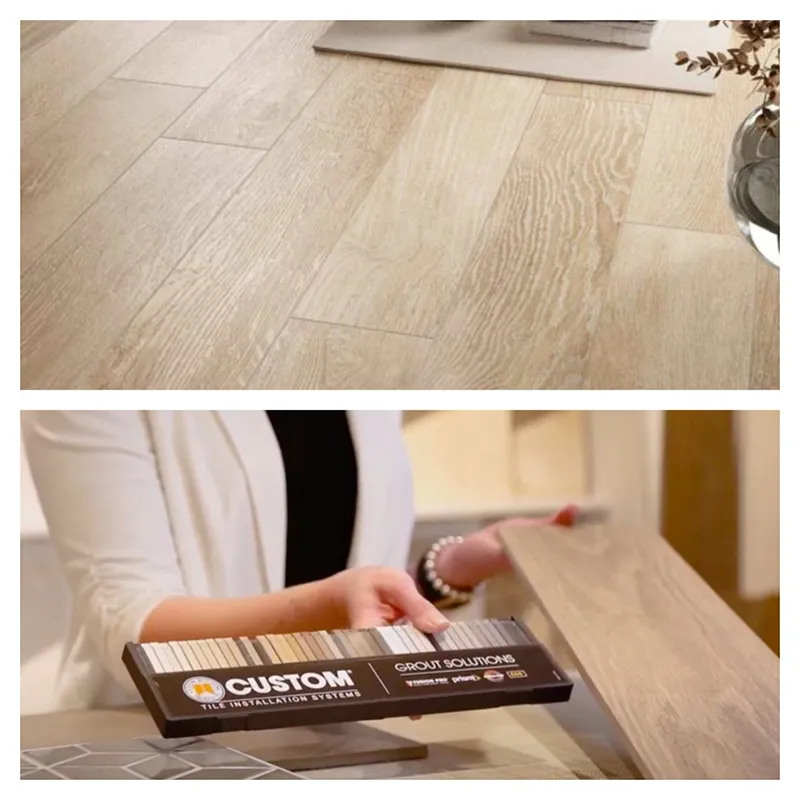
The main design challenge with wood-look tiles lies in selecting the right grout color to achieve a seamless and authentic appearance. The goal is to make the tile installation look like continuous wooden planks rather than separate tiles. To do this, start by carefully observing the tile itself. Most wood-look tiles feature a range of light and dark tones within their grain pattern. By identifying these subtle variations, you can select a grout shade that blends harmoniously with one of those tones.
Choosing a grout color that reflects the natural hues within the tile helps to minimize grout visibility and enhances the illusion of real wood flooring. This approach creates a warm, cohesive look that brings comfort and style into your living space.
Suggested Article: Ceramic tile export from Iran
Conclusion
By now, you have gained valuable insight into how to choose grout color for different tile styles and design preferences. From enhancing bold geometric patterns to achieving seamless wood-look flooring, grout color can elevate your project from ordinary to exceptional. The key lies in identifying the effect you want subtle coordination or striking contrast and choosing a shade that supports that vision.
Grout may seem like a small detail, but it has the power to define the character of your home. Use this knowledge to make informed decisions, and remember that with the right grout color, your tiles will not just cover a surface, they will tell a design story.