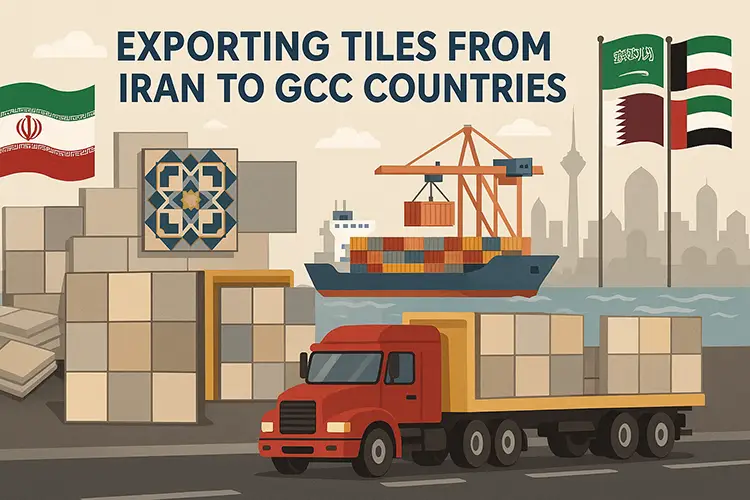
Exporting tiles from Iran to GCC countries clearly demonstrates how Iran’s strategic geographic location, advanced production capacity, and cultural ties with its southern neighbors can create significant opportunities for foreign trade expansion. The Gulf states namely the United Arab Emirates, Oman, Qatar, Kuwait, Bahrain, and Saudi Arabia represent some of the most vital regional markets with consistently high demand for imported goods, particularly in the construction and interior design sectors.
Given the rapid pace of urban development across the Gulf region, the demand for reliable, stylish, and cost-effective tile products is on the rise. Iran’s tile industry, known for its technical expertise and artistic richness, is well-positioned to fulfill this demand. By leveraging its relative advantages such as proximity, cultural familiarity, and affordable logistics Iran can establish a stronger, more influential presence in these competitive markets.
In this article, we will explore the growing momentum behind Exporting Tiles from Iran to GCC Countries, highlighting the unique strengths of Iranian tile manufacturers and the key factors driving demand across the Gulf region.
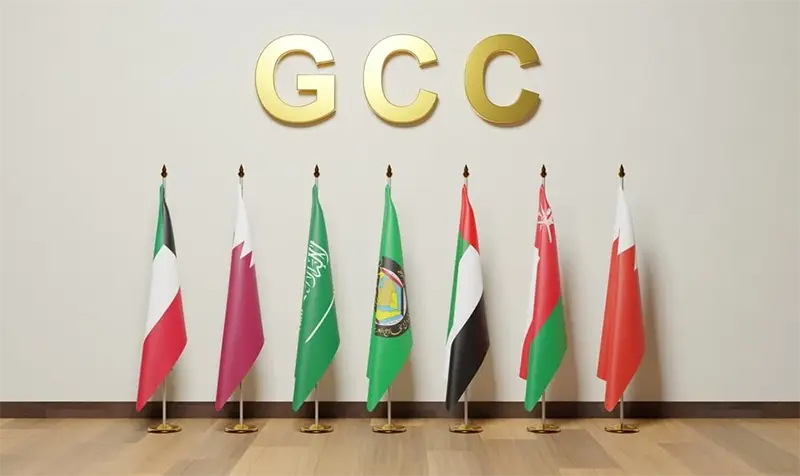
Why the GCC Market is Ideal for Tile Exports from Iran?
-
Proximity and Ease of Access
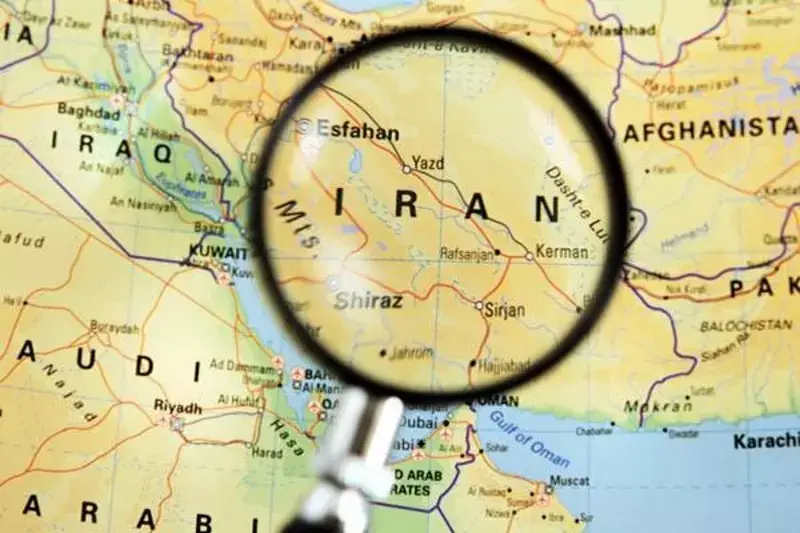
One of the most significant advantages of exporting tiles from Iran to GCC countries lies in the nation’s strategic geographical location. Iran shares both land and maritime borders with several Gulf states, offering unmatched logistical benefits. With direct access to international waters through the Persian Gulf and the Sea of Oman, Iran is positioned just a short distance away from countries like the UAE, Qatar, Bahrain, Kuwait, Saudi Arabia, and Oman.
This geographic proximity provides Iranian tile exporters with a unique edge enabling them to deliver products quickly, reliably, and at significantly lower costs. Unlike distant tile manufacturing countries such as China, India, Turkey, or various European nations, Iran can ship tiles to the GCC markets in much less time and with reduced logistical risks. This not only enhances the competitiveness of Iranian tiles in terms of pricing but also ensures faster market responsiveness, which is vital in the dynamic construction and interior design industries.
Exporting Tiles from Iran to GCC Countries opens up a range of possibilities for importers seeking both affordability and timely delivery. The shortened supply chain contributes to better inventory management and improved project timelines for builders and developers in the region.
-
Wide Product Variety and High Quality of Iranian Tile Exports
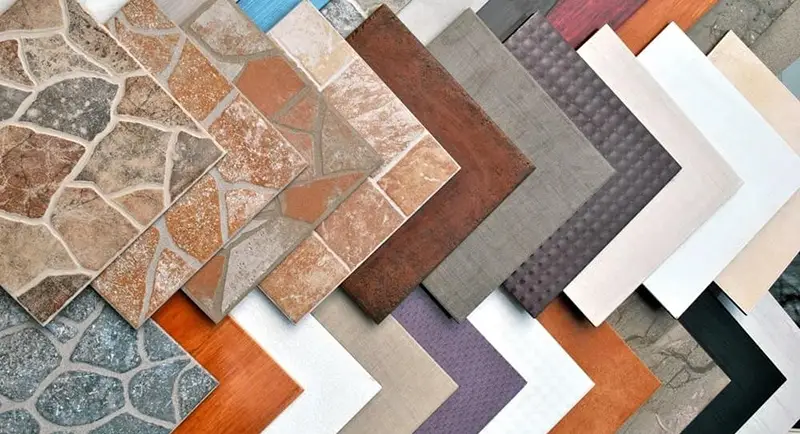
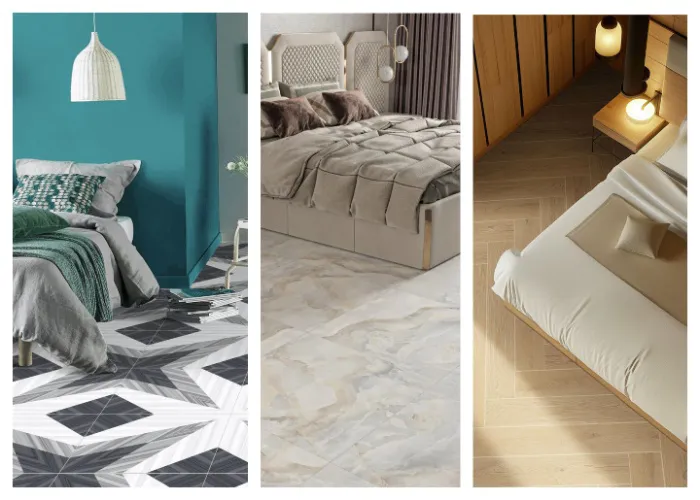
Iran has earned a reputable position in the global tile market due to the exceptional variety and quality of its ceramic and porcelain tile products. Iranian manufacturers have developed a wide range of styles, patterns, finishes, and sizes that cater to diverse market preferences, from traditional Middle Eastern aesthetics to contemporary minimalist designs. Whether the demand is for decorative wall tiles or durable porcelain floor tiles, Iranian producers are able to supply in large quantities without compromising on quality.
The tiles produced in Iran meet international quality standards and are often characterized by their resistance to moisture, heat, and abrasion. This makes them ideal for use in various construction projects across residential, commercial, and industrial sectors in GCC countries. Moreover, continuous innovation in design and production technologies allows Iranian tiles to compete strongly with European and Asian alternatives in terms of both aesthetics and durability.
Exporting Tiles from Iran to GCC Countries allows regional importers to access a broad portfolio of tile options tailored to market demand. With Iran’s commitment to quality and variety, customers in the Gulf can rely on consistent supply and product performance suitable for everything from modern skyscrapers to luxurious private villas.
-
Expansion of Transportation Infrastructure and Border Customs

In recent years, Iran has made significant investments in upgrading its transportation infrastructure to enhance its export capabilities, particularly in the tile industry. Strategic improvements in southern ports such as Shahid Rajaee Port and Chabahar Port, as well as expanded railway networks and upgraded customs facilities, have streamlined the export process and significantly reduced cargo clearance times. These advancements play a crucial role in ensuring that exported goods—especially heavy and fragile items like tiles—are handled with greater efficiency and reach their destinations promptly.
For exporters of ceramic and porcelain tiles, these infrastructural improvements translate into smoother logistics and a more reliable supply chain. Efficient port operations and faster customs clearance directly impact delivery timelines and customer satisfaction in GCC markets.
Additionally, Iran has signed customs cooperation agreements with several Gulf Cooperation Council countries. These agreements have successfully reduced bureaucratic delays and created a more seamless export process. As a result, trade relations have become more robust, and tile shipments now face fewer regulatory obstacles when entering Gulf countries.
Exporting Tiles from Iran to GCC Countries is now more viable and streamlined than ever before, thanks to Iran’s proactive investment in transportation and customs infrastructure that supports consistent and timely tile exports.
Key Tile Types Exported to GCC Countries
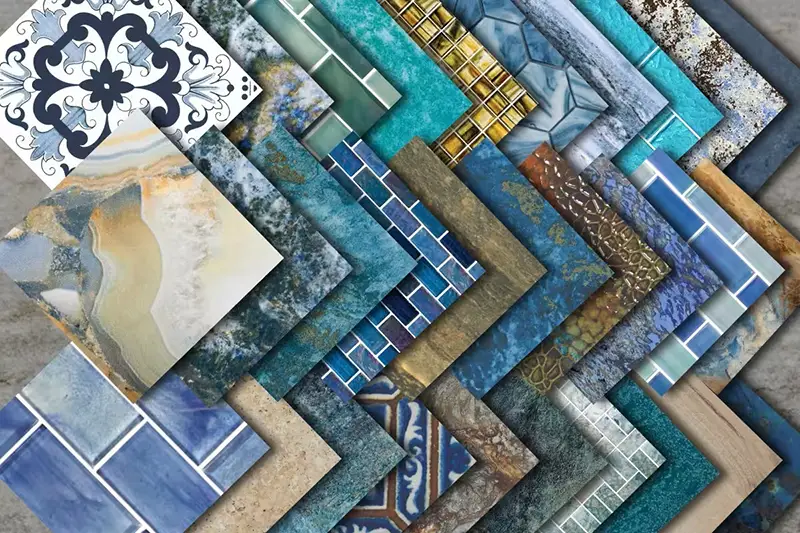
When discussing the export of tiles from Iran, it is essential to understand the two primary types of tiles that dominate production and international trade—ceramic tiles and porcelain tiles. These materials not only form the foundation of Iran’s tile industry but also meet a wide range of aesthetic and functional requirements across global markets.
-
Ceramic Tiles
are composed of a mixture of refined clay and powdered minerals. They are manufactured through a process of compression and high-temperature firing, which results in a durable and versatile surface covering. Available in an extensive variety of colors, textures, and patterns, ceramic tiles are ideal for both wall and floor applications. Their affordability and ease of installation make them a popular choice for large-scale residential and commercial projects throughout the GCC region.
-
Porcelain Tiles
on the other hand, are crafted from high-quality mineral materials and fired at even higher temperatures than ceramic tiles. This results in a denser, less porous, and more mechanically robust product. Porcelain tiles offer superior resistance to water, scratches, and stains, making them an excellent option for high-traffic areas, luxury interiors, and exterior surfaces alike. Their refined appearance and high durability make them especially appealing for modern architectural designs.
-
Marble and Stone Tiles
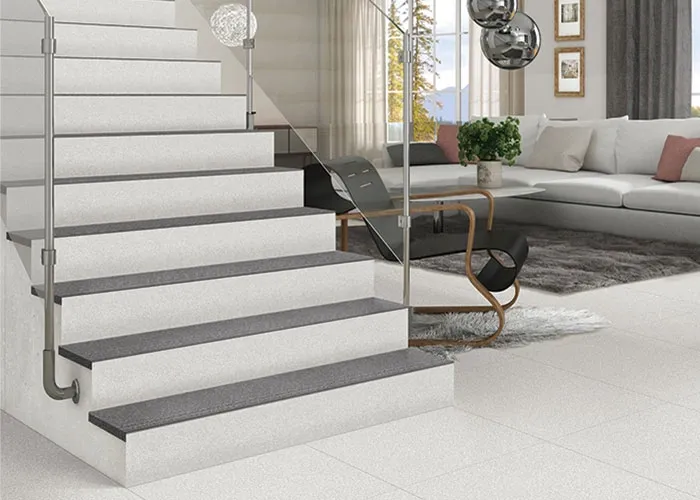
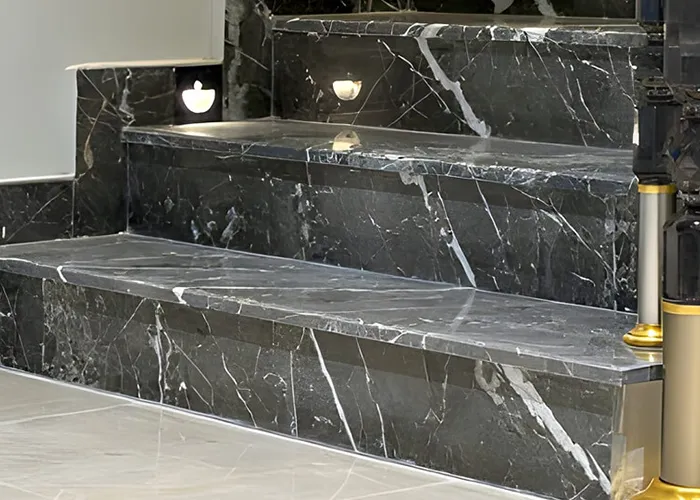
Stone tiles have gained significant popularity in the construction and interior design industries, offering the visual appeal of natural stone with the performance and convenience of ceramic materials. Among the many available designs, marble look tiles are especially admired for their elegance and versatility. These tiles replicate the luxurious texture and veining of real marble, making them a suitable choice for both traditional and modern spaces whether in homes or work environments.
Exporting Tiles from Iran to GCC Countries includes a strong emphasis on both ceramic and porcelain tiles, each serving distinct roles based on project needs and regional design trends. Iranian manufacturers offer both types in premium quality, ensuring adaptability across diverse market segments.
Pricing and Sales Strategies for Iranian Tile Companies in GCC Markets
The path to success in regional markets for Iranian tile manufacturers lies in offering high-quality products at mid-range prices. This strategic balance has proven to be one of the most impactful approaches for strengthening market presence in the Gulf Cooperation Council (GCC) countries. However, maintaining this pricing strategy over time requires continuous improvement in internal capabilities and a strong focus on optimizing cost structures. Without these elements, companies risk facing profitability declines and losing their competitive edge.
Research shows that Iranian tile products can match the quality of their international counterparts. Therefore, there is no conflict between pursuing this pricing strategy and the production capacity of Iranian firms. Industry experts and business leaders consistently point to competitor-based pricing as a practical approach. While this method is more favorable than cost-based pricing, it may not be as responsive to real-time demand trends, which presents a key area for strategic refinement.
Exporting Tiles from Iran to GCC Countries benefits significantly when companies combine competitive pricing with value-driven product features that cater to market preferences in the Gulf region.
The Role of Discounts in Increasing Sales Volume
Discounting remains one of the most effective tools for promoting sales and maintaining a competitive market presence. Iranian tile exporters have successfully adopted a range of discount strategies, including deferred payment options, cash discounts, volume-based incentives, and trader-specific promotions. Among these, trade discounts and volume discounts have shown the strongest impact, while seasonal promotions offer moderate benefits.
By offering incentives that are tailored to customer behavior and regional market dynamics, Iranian tile companies can foster loyalty, accelerate order cycles, and establish stronger relationships with local distributors and end users in GCC markets.
Promotional and Sales Development Strategies
Tile industry professionals in Iran strongly believe that a multi-faceted approach to marketing and sales promotion is critical for achieving long-term success in the GCC region. From restructuring sales teams to investing in high-performing personnel, companies must modernize and professionalize their commercial operations. Personalized, face-to-face selling is still one of the most effective tactics, especially when building trust in new markets.
Exporting Tiles from Iran to GCC Countries is further supported by well-developed sales infrastructure and targeted promotional activities that increase visibility and drive demand.
Recommended Strategies for Iranian Tile Manufacturers

While Iran holds a relative advantage in tile production, this edge has diminished in recent years. To reverse this trend, both the private sector and government must prioritize technical innovation, marketing excellence, and investment in modern infrastructure.
Key strategies identified through recent studies include:
- Continuous product improvement and development of new models
- Fast and reliable delivery to build market trust, especially among distributors
- Design diversification, innovation in product packaging, and standardization
- Long-term commitment to high-quality products at moderate prices
- Competitor-based pricing strategies
- Flexible discount policies including credit sales, trade discounts, and cash or quantity-based incentives
- Strengthening sales teams and marketing departments through skilled recruitment and comprehensive outreach strategies
- Joint ventures with foreign partners for production or distribution
- Establishing official regional offices and representatives abroad
- Boosting exports through experienced export management companies
- Reinforcing Iran’s competitive advantages in tile manufacturing to stop the current downward trend
While these recommendations serve as a foundation, each company must tailor its approach based on its resources, market position, and long-term vision. Custom strategies combining creativity, precision, and responsiveness will be essential for navigating the challenges and opportunities of Exporting Tiles from Iran to GCC Countries.
The Gulf Cooperation Council (GCC) market presents a unique landscape for Iranian ceramic and porcelain tile exporters. To effectively expand and sustain their presence in this highly competitive arena, companies must understand both internal dynamics and external market conditions. A comprehensive SWOT analysis—examining Strengths, Weaknesses, Opportunities, and Threats—helps highlight where Iran stands in this evolving sector.
Strengths of Exporting Tiles from Iran to GCC Countries
Iran enjoys a remarkable strategic advantage due to its 1,600 kilometers of southern border access to open waters and close proximity to six major commercial ports. These include key shipping hubs that facilitate quick and cost-effective access to the Persian Gulf and beyond. Additionally, Iran’s ceramic tile industry boasts a wide variety of designs, colors, and formats, making it suitable for diverse architectural tastes across the GCC region.
The relatively low production cost compared to international competitors such as China, Spain, and Italy gives Iranian tiles a pricing edge. This advantage is further amplified by favorable currency exchange rates, which improve profit margins. Moreover, low export tariffs for regional trade and geographical convenience make Exporting Tiles from Iran to GCC Countries a highly attractive endeavor.
Weaknesses of Exporting Tiles from Iran to GCC Countries
Despite these advantages, Iranian exporters face several internal challenges. One of the primary issues is the limited understanding of Arab consumer preferences and regional market dynamics. This knowledge gap often results in products that fail to meet design expectations or local quality standards. Additionally, aging port infrastructure and inefficient transportation networks can delay shipments and increase costs.
Another weakness lies in the declining average product quality, a consequence of overcrowding in the industry and the entrance of numerous under-regulated tile manufacturers. Many companies operate with outdated machinery, leading to inconsistency in production and suboptimal performance. Poor packaging and design presentation also reduce the appeal of Iranian tiles in visually competitive retail environments.
Exporting Tiles from Iran to GCC Countries continues to hold promise, but addressing internal inefficiencies is key to achieving long-term export success.
Threats of Exporting Tiles from Iran to GCC Countries
Iranian tile exporters face strong external competition from countries like China, India, Spain, and Italy, all of which have a well-established presence in the GCC market. These nations offer reliable supply chains, advanced marketing strategies, and consistent product quality, making it difficult for Iranian brands to maintain visibility.
Furthermore, international sanctions continue to create uncertainty and impede financial transactions with foreign buyers, especially those in the Gulf region. The lack of established distribution channels in GCC countries also limits Iran’s ability to penetrate retail and wholesale networks effectively.
Other global challenges, such as the COVID-19 pandemic, have severely impacted international trade and logistics. Additionally, the high cost of participating in international trade fairs makes it difficult for small and medium-sized Iranian companies to showcase their products abroad.
To overcome these threats, Iranian tile companies must invest in modernizing their production lines, conduct comprehensive market research, and pursue strategic partnerships for regional distribution. By doing so, Exporting Tiles from Iran to GCC Countries can evolve from a challenge into a long-term opportunity.