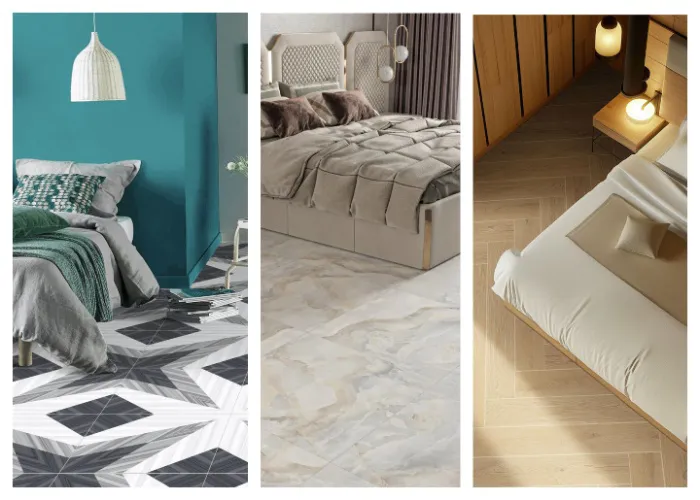
Exporting slab tiles from Iran has become a significant trend in the global ceramics industry. The country’s advanced manufacturing capabilities and access to high-quality raw materials have driven this trend. Iranian slab tiles are widely recognized for their durability, elegant designs, and competitive pricing.
These large-format tiles are suitable for both residential and commercial applications, meeting international standards in aesthetics and performance. Demand for Iranian slab tiles continues to rise, particularly in regions such as the Middle East, Europe, and Asia.
With dependable logistics, well-designed packaging, and a commitment to quality, Iran has established itself as a trusted and competitive supplier in the global tile market—offering both excellence and value to customers around the world.
What Are Slab Tiles and Why should we export them?
In Latin, “slab” refers to a sheet or a piece. Slab tiles are modern ceramic tiles characterized by their large dimensions. Thanks to their aesthetic appeal, high durability, and a broad range of designs and colors, slab ceramics are rapidly gaining popularity in domestic and international markets.
This type of ceramic, which is technically a form of porcelain, offers several advantages over traditional tiles. These benefits make it an ideal choice for wall and floor coverings in a diverse selection of settings, including residential homes, commercial spaces, and office environments.
Thanks to its abundant natural resources, skilled workforce, and modern technology, Iran has become one of the leading producers of ceramic tiles products in the region. In the following sections, we will explore the reasons behind the growing trend of exporting slab tiles from Iran and highlight the key competitive advantages that make Iranian slab ceramics stand out in global markets.
- Extensive Color and Design Variety
The intense competition among slab tile manufacturers has led to rapid innovation and creativity in the industry. To meet the evolving tastes of consumers, producers are constantly introducing more stylish and diverse collections. As a result, slab tiles now come in a rich array of colors, textures, and patterns—making it easy to find the perfect fit for any interior or architectural design.
- Large Size and Heavy Duty
One of the main advantages of slab tiles is their large size. The larger dimensions of these tiles help reduce their susceptibility to dirt and stains, making them easier to clean and maintain. Additionally, their seamless appearance and ease of installation are other significant benefits of large-format tiles.
- High-End Aesthetic Appeal
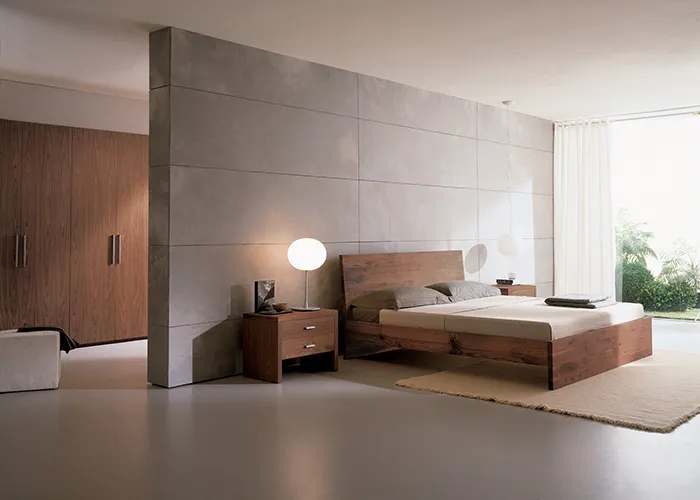
Slab tiles are renowned for their luxurious visual appeal, providing expansive, uninterrupted surfaces that contribute to a modern, elegant atmosphere. Their versatility in texture and finish enhances any space with a refined, minimalist style. This sophisticated design option elevates interiors, combining beauty, durability, and effortless maintenance.
Slab Tile Types from Iranian Factories
Slab tiles can be categorized based on their glaze, material, and design. Below, we discuss some of the most common types of porcelain slab tiles:
- Glossy Slab Tiles
Glossy slab tiles are highly popular for their smooth, polished surface that beautifully reflects light. This reflective quality makes them an excellent choice for smaller or dimly lit spaces, as they help brighten the room.
However, glossy tiles are more prone to showing stains, smudges, and scratches. As a result, they require more frequent cleaning and maintenance to maintain their shine.
- Matte Slab Tiles
Matte slab tiles have a smooth surface but do not reflect light, making them ideal for large, well-lit spaces. The matte glaze helps evenly distribute light, creating a warm and calming ambiance.
These tiles are often chosen for high-traffic areas, such as shopping centers and restaurants, where durability and ease of maintenance are essential.
- Polished Slab Tiles
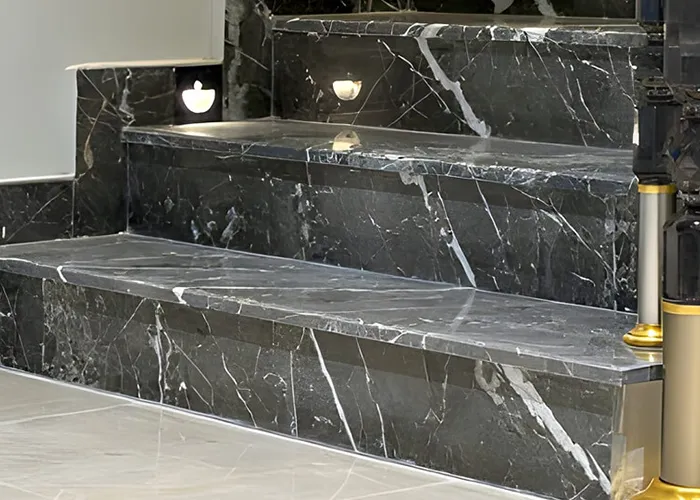
Polished slab tiles are known for their shiny appearance, attained through grinding and polishing. These tiles are commonly used in luxurious and elegant spaces, playing a key role in a sophisticated, high-end look.
However, the smooth surface of polished tiles can be slippery, making them less suitable for high-traffic areas, such as living rooms or kitchen floors, where safety and practicality are key concerns.
As demand for these diverse types of slab tiles grows, exporting slab tiles from Iran has become increasingly important, with these products gaining popularity across international markets. The variety and quality of options available through exporting slab tiles from Iran continue to satisfy the specific needs of global consumers.
Advantages of Iranian Slab Tiles for Export
The term “slab” refers to a wide sheet or surface, and slab ceramics are recognized for their sheet-like, large format due to their production method. In the manufacturing of these products, all materials are evenly distributed, ensuring uniformity throughout the tile. Slab ceramics, with their large dimensions, are ideal for tiling large spaces, enhancing the speed of installation.
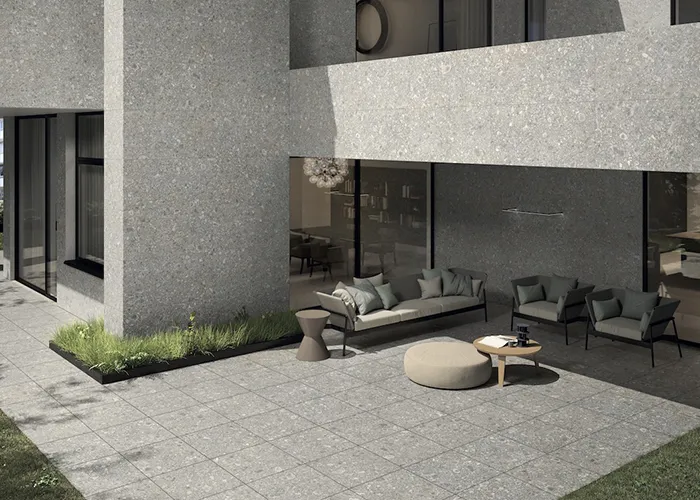
Slab Tiles are also made from natural materials and serve as flooring and exterior cladding. Every day, new slab ceramic products with various designs and colors are being produced, meeting the diverse needs of customers and offering competition with stone slabs. This makes Exporting Slab Tiles from Iran a valuable opportunity, as these high-quality tiles cater to global demands, offering both aesthetic appeal and practical advantages for large-scale projects.
- Easy Maintenance
As the size of tiles increases, the number of grout lines and joints decreases. Fewer joints mean less space for dirt to accumulate, making the cleaning process significantly easier.
- Seamless Appearance
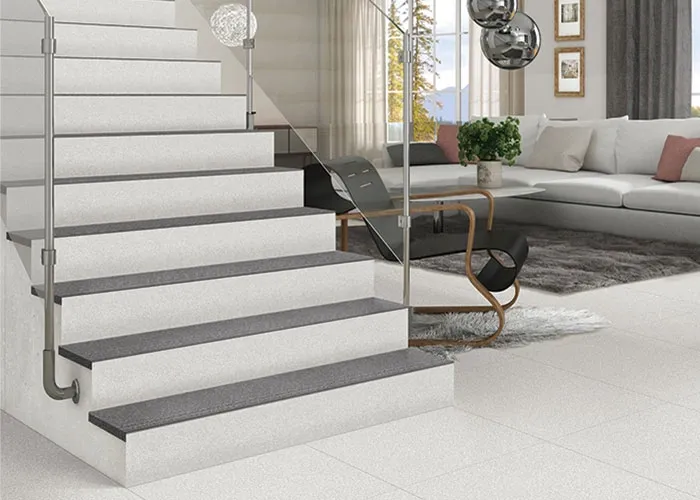
Another advantage of the large dimensions of slab tiles is their ability to create a unified and continuous look. When used for flooring or as wall cladding in buildings, slab tiles enhance the space with a flawless, cohesive appearance, adding to its unique aesthetic appeal.
- Resistance to Moisture and Chemicals
Slab tiles are coated with a specialized glaze that prevents water and chemicals from penetrating the surface. This makes them an excellent choice for use in humid environments, such as bathrooms and kitchens. Additionally, the high-gloss finish of the glaze adds a touch of elegance and brightness to any space.
- High Strength and Durability
One of the main expectations customers have for wall and floor tiles is their resistance to external factors and impact. Products that are easily damaged or break quickly can lead to high maintenance and repair costs. However, with slab ceramics, you can be assured of durability and strength, as these tiles are made from high-quality materials that offer excellent resistance to wear and tear.
- Variety of Designs and Colors
Today, many manufacturers produce and offer slab tiles to the market. Due to the competition among producers to satisfy customer needs, a broad range of stylish and beautiful options are available. If you intend to buy slab tiles, you’ll have no trouble finding tiles with the perfect design and color to complement your home’s decor.
- Availability of Custom Designs
Choosing slab tiles not only gives you access to a wide range of colors and designs but also offers the possibility of printing custom and fancy designs. This allows you to design custom patterns and apply them to your wall or floor coverings.
Strong Manufacturing Process of Slab Tiles for Export from Iran
The production of slab ceramics is carried out using specialized machinery and skilled professionals. Below, we will introduce and explain the key stages involved in the production of slab tiles:
- Material Preparation and Mixing
The primary materials for ceramics, including clay, feldspar, and others, are extracted and then thoroughly mixed in the factory using specialized equipment to create a malleable paste.
- Molding
At this stage, the prepared paste is poured into molds using a funnel, and a pressure of up to 2,500 tons is applied using a pressing machine to shape the ceramic tiles effectively.
- Drying the Tiles
After shaping, the tiles need to be dried. This process must be done slowly and carefully to avoid cracking. The tiles are placed in special dryers for a period to ensure they dry properly and gain strength.
- Glazing
Once dried, if necessary, the tiles are glazed. Glazing can be done using various methods, including dry glazing, centrifugal, or cascading techniques, to coat the tile surface with a glossy finish.
- Firing
After glazing, the tiles are exposed to intense heat in a process known as firing. This step, which usually extends for 2 to 3 days, increases the strength and durability of the ceramic tiles.
- Quality Control
Once the tiles are fired, they undergo rigorous quality control testing. Factors like dimensions, density, particle size, resistance, and overall performance are tested to ensure the tiles meet high standards and offer optimal functionality. This meticulous attention to quality is essential for strengthening the reputation of exporting slab tiles from Iran.
Popular Sizes for exporting Slab Tiles from Iran
- Popular Sizes
Most people refer to tiles larger than 80 centimeters as slab tiles. However, the standard size for slab ceramics typically exceeds one meter. Among the most popular and best-selling dimensions are 120×120, 150×150, 120×240, and 160×300 centimeters, all of which are available in a variety of colors and designs on the market today.
The largest commonly available slab tile size is 300×160 cm. However, these tiles can generally be custom-ordered in different sizes to suit specific project requirements.
- Thickness Variations
The thickness of slab tiles and similar products depends on their intended use and overall dimensions. However, as a general rule, no slab or large-format tile is manufactured with a thickness of less than 2 centimeters. That said, the typical thickness of these products usually ranges between 3.5 and 12 millimeters. This range may vary based on the tile’s size and specific application requirements, however, in general, 3.5 mm can be considered the minimum standard thickness, whereas 12 mm is regarded as the maximum. Understanding these specifications is essential when considering exporting slab tiles from Iran, as international markets often require consistency and adaptability in product dimensions.
Export Packaging and Transportation for Slab Tiles
The packaging process for exporting slab tiles from Iran is designed to ensure the safe and secure transit of each tile. Protective materials such as foam and cardboard prevent damage during transportation. The tiles are carefully stacked to maintain stability, with customized packaging that keeps each tile intact, preserving its quality throughout the journey. This meticulous attention to detail enhances the reliability of slab tile exports from Iran.
Our packaging process is carefully designed to ensure the safe handling and delivery of each slab. The steps involved are as follows:
- Inspection
Each slab is thoroughly inspected before packaging. We check for cracks, chips, stains, or any other defects. We also check the dimensions, thickness, and finish to ensure they comply with the order specifications.
- Cleaning
Slabs are cleaned using a soft cloth and water to remove any dust or dirt. A protective wax coating is then applied to enhance both the shine and durability of the surface.
- Labeling
Each slab is labeled with a barcode sticker containing essential product information. This allows for efficient tracking and identification throughout the process.
- Wrapping
To protect the surface from scratches or abrasions, each slab is wrapped in a thin plastic sheet. Foam or cardboard sheets are also placed between slabs to provide cushioning and prevent friction or impact.
- Shock-Absorbing Padding
For added protection during transit, we line the inside of the wooden crates with shock-absorbing padding. This minimizes the risk of damage from external shocks and vibrations.
- Crating
Slabs are securely packed in durable, fumigated wooden crates to prevent pest infestation. The crates are reinforced with metal or plastic straps, and corner protectors and edge guards are used to avoid chipping or breakage.
Export Markets for Slab Tiles
Iran exports slab tiles, also known as large-format tiles, to numerous countries, focusing primarily on the Middle East, Asia, and the European Union. Key export destinations include Iraq, Afghanistan, and the UAE, along with countries such as Turkey, Georgia, Pakistan, and Russia. Iranian ceramic tiles are also gaining traction in markets across the European Union, Africa, and Latin America.
- Middle Eastern Markets
Iran’s tiles are highly sought after in countries like Iraq, Afghanistan, and the UAE. Their affordability, durability, and the strong demand from the construction sector make them a popular choice in these regions.
- Asia
Pakistan and China are major importers of Iranian tiles, and the country has a significant presence in Southeast Asia, where demand for high-quality ceramics is on the rise.
- European Union
Countries such as Italy, Spain, and Germany value the craftsmanship of Iranian tiles, making them key import destinations in Europe.
- Other Regions
Iran also exports tiles to various countries in Africa and Latin America, particularly those experiencing rapid growth in the construction industry. The expanding reach of exporting slab tiles from Iran reflects the increasing global demand for high-quality, durable ceramic products across diverse markets.