Introduction: Exporting Porcelain floor tiles from Iran provides global buyers access to world-class quality, competitive prices, and a reliable supply of these premium materials. Porcelain floor tiles are among the most advanced types of ceramic flooring, known for their exceptional strength, low water absorption, and aesthetic appeal. Manufactured using state-of-the-art technology, these tiles are made from a precise blend of natural materials like feldspar and refined clay. They are fired at extremely high temperatures under intense pressure, resulting in a dense, non-porous surface with a consistent and durable structure.
This high-performance composition gives porcelain tiles an almost zero water absorption rate, making them a superior choice for areas exposed to moisture, heavy foot traffic, or outdoor conditions. Their durability, ease of maintenance, and timeless appearance also make them excellent solutions for residential and commercial environments.
If you’re seeking a flooring option that balances strength, beauty, and practicality, porcelain floor tiles are an ideal long-term investment.
Features of Porcelain Floor Tiles Made in Iran
One of the most notable features of porcelain floor tiles is their extremely low porosity. This property is achieved through the high compression of clay and other natural materials during the manufacturing process. The resulting dense structure offers numerous benefits, making these tiles one of the best choices for both indoor and outdoor flooring applications.
Exporting Porcelain floor tiles from Iran enables international buyers to access top-tier, high-performance products that combine quality, durability, and competitive pricing.
- Near-Zero Water Absorption
Porcelain floor tiles prevent moisture from penetrating their surface, eliminating risks of discoloration, cracking, mold, and mildew growth. This makes them ideal for bathrooms, kitchens, outdoor patios, and regions with heavy rainfall.
- UV Resistance
Even under direct and prolonged sunlight, these tiles retain their color and surface integrity. Their UV resistance makes them perfect for outdoor spaces such as terraces, pool decks, and rooftop gardens.
- Frost Resistance
In colder climates with harsh winters, porcelain floor tiles withstand freeze-thaw cycles without cracking or detaching from the substrate, ensuring long-term durability.
- High Abrasion Resistance
Designed to endure heavy foot traffic and the movement of heavy objects, these tiles maintain their appearance in commercial centers, retail stores, offices, and busy households.
- Impact Resistance
Thanks to their dense and hard structure, porcelain floor tiles resist breakage from heavy impacts, dropped objects, or high pressure. This makes them especially valuable in areas like garages and storage rooms.
- Chemical Resistance
The non-porous surface resists penetration by harsh cleaning agents, acidic stains, and oil spills. This ensures lasting performance in both daily cleaning routines and industrial settings.
- Anti-Slip Surface
Despite their smooth and solid appearance, porcelain floor tiles are engineered with a textured surface that provides grip even when wet. This feature is crucial for safety in poolsides, bathrooms, and building entrances.
- PEI Ratings for Floor Use
Porcelain floor tiles with a high PEI (Porcelain Enamel Institute) rating indicate exceptional resistance to wear and pressure. This rating is crucial for high-traffic and commercial spaces, as it guarantees the tiles’ durability and longevity, even with continuous foot traffic, as it guarantees the tiles’ durability and longevity, even with continuous foot traffic. Generally, porcelain tiles with a PEI rating of 4 or 5 are ideal for use in commercial and industrial environments where heavy use is expected.
Exporting Porcelain floor tiles from Iran offers access to premium products with outstanding wear resistance, designed to meet the demands of residential and commercial flooring projects.
Available Sizes and Patterns
Porcelain floor tiles are a high-quality type of ceramic flooring, typically ranging in thickness from 6 to 12 millimeters. Known for their excellent resistance to corrosion, waterproof properties, slip resistance, and ease of cleaning, these tiles have become one of the most popular choices for floor and wall coverings in various spaces. Additionally, porcelain tiles are available in A diverse selection of colors, designs, and sizes, making installation and maintenance simple and hassle-free.
These tiles are made from natural materials like clay and mineral stones. Due to their lightweight and recyclable nature, porcelain floor tiles are also recognized as an environmentally friendly and sustainable flooring option.
- Thickness
Porcelain floor tiles are typically available in various thicknesses, with the standard range between 6 and 12 millimeters. This thickness makes the tiles suitable for interior and exterior floors and walls. It ensures high resistance to pressure and wear, while also providing easy installation and a smooth, even surface.
- Sizes are Typically available in 30×30 cm, 60×60 cm, and 60×120 cm
These tiles come in various sizes to meet the requirements of different projects. The most common sizes are 30×30 cm, 60×60 cm, and 60×120 cm, offering flexibility for diverse designs. These sizes are ideal for easier installation and aligning with different design layouts.
- Colors
Available in a wide range of colors including white, gray, brown, blue, and more
Porcelain floor tiles come in a wide range of colors, providing the perfect option to complement your interior design. From neutral tones like white, gray, and brown to brighter shades such as blue and green, these tiles can seamlessly match any style of décor.
- Designs
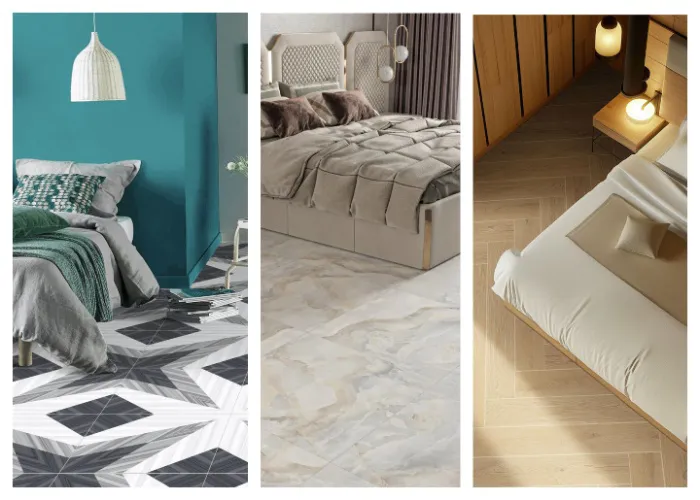
Available in various patterns such as stone, wood, mosaic, and modern styles
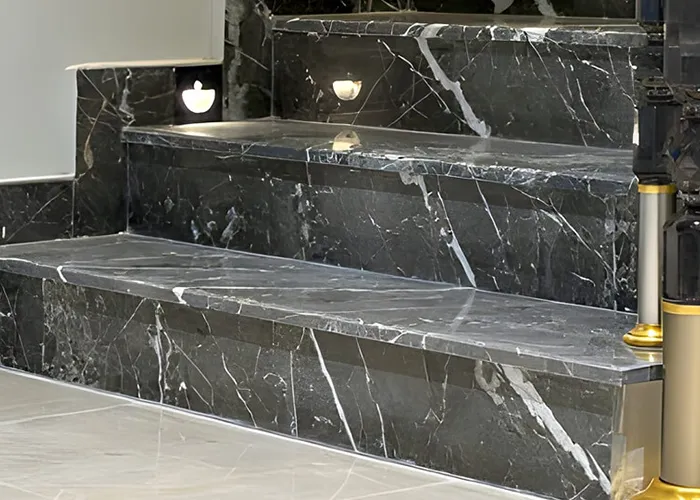
Beyond color, porcelain floor tiles are offered in an assortment of patterns, including stone, wood, mosaic, and even minimalist modern designs. These patterns create a stylish, natural-looking ambiance in your home or office.
Exporting Porcelain floor tiles from Iran provides access to premium-quality tiles that offer excellent performance, beauty, and cost-efficiency for residential and commercial projects.
High-Traffic Applications for Floor Tiles
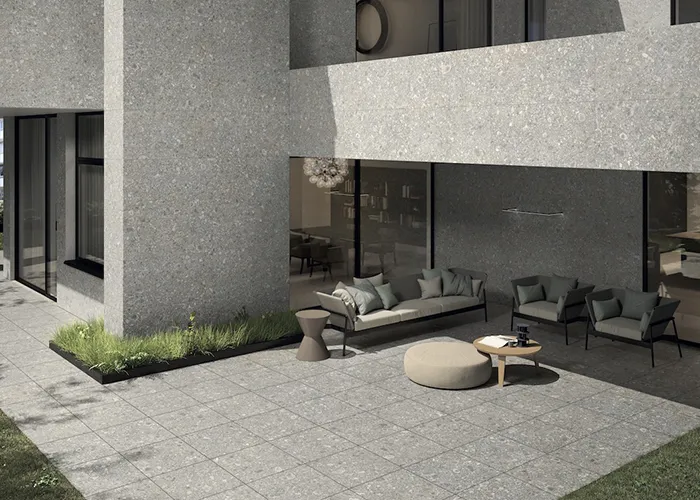
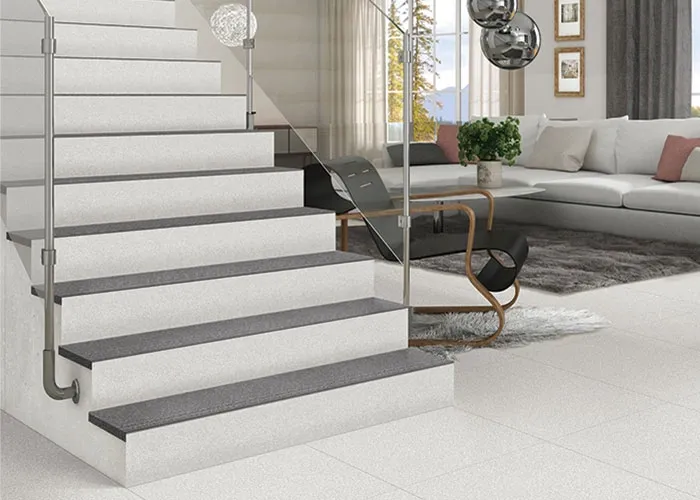
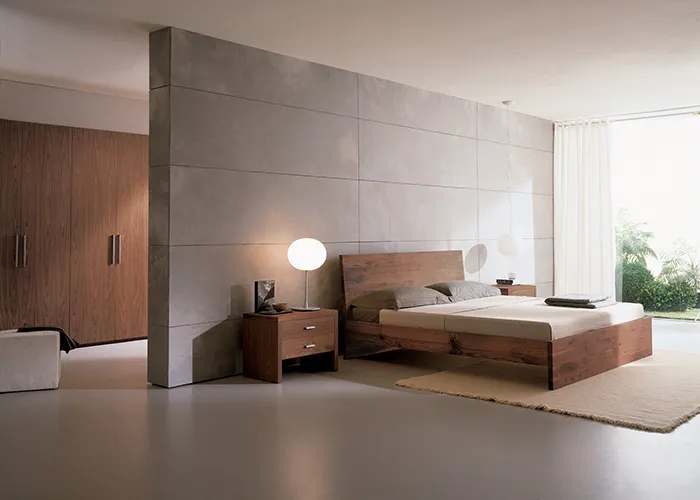
Porcelain floor tiles are a member of the most common and popular choices for flooring in various spaces. Known for their unique technical and aesthetic features, these tiles are perfect for use in every area of the home as well as in outdoor environments. From living rooms and kitchens to bathrooms and sanitary areas, porcelain tiles are a versatile solution for any space. Additionally, due to their high resistance to environmental factors and wear, porcelain floor tiles are an excellent choice for outdoor areas such as terraces and rooftop gardens.
These tiles are also widely used in high-traffic areas, such as parking lots, shopping centers, hotels, and commercial spaces, where durability and strength are essential. The dense and resilient structure of porcelain tiles ensures exceptional performance, even under daily pressures, heavy foot traffic, and severe impacts.
Exporting Porcelain floor tiles from Iran ensures access to high-quality, durable products ideal for residential and commercial applications, providing long-lasting value and performance.
Logistics and Loading for Export
For the export of porcelain floor tiles from Iran, specific packaging and palletizing standards are in place, primarily aimed at ensuring safety, protection, and efficiency during transportation. These standards may vary depending on the target markets and local regulations of the destination countries, but generally, they include the following:
-
Standard Pallet Weight
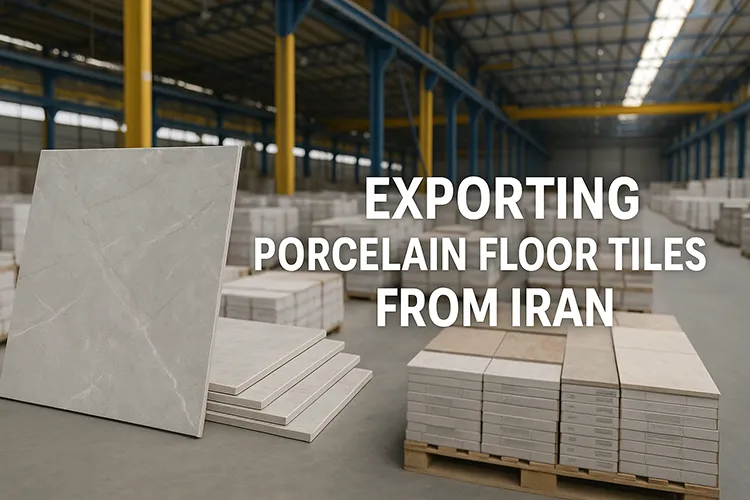
Wooden pallets are commonly used in standard sizes, such as 120×120 cm or 120×100 cm. These sizes are internationally recognized and suitable for facilitating transportation and aligning with global standards. The pallets are crafted to maximize space, ensuring the tiles are securely placed.
-
Standard Pallet Height
The typical height of loaded pallets is around 1.5 meters. This height is generally optimal to prevent excessive pressure on the tiles and to avoid damage during transit. However, this can vary depending on the type of tiles and specific transportation conditions (such as the type of vehicle or route distance).
-
Tile Arrangement
Tiles must be arranged neatly and securely on the pallet to prevent potential damage during transportation. Proper arrangement ensures Weight is evenly spread, minimizing the risk of breakage or damage. Additionally, plastic film or strapping tape is often used to fix the tiles in place and prevent shifting during transit.
-
Tile Size and Weight
Depending on the type of porcelain tile, the dimensions and weight may vary. Common sizes for porcelain floor tiles include 60×60 cm, 80×80 cm, or 120×60 cm. These sizes make the tiles suitable for installation in various spaces, while also maintaining high efficiency during the packaging and transportation process.
-
Tile Protection
To prevent breakage and damage during transport, various protective materials such as foam, bubble wrap, or paper sheets are used. These materials are specifically designed to protect porcelain tiles from pressure and impacts, ensuring they arrive at their destination in safe and sound condition.
The weight of porcelain floor tiles can vary, but for a general estimate, a standard tile with dimensions of 60×60 cm typically weighs around 15 kg. This weight makes it easier to predict the load during transportation and installation.
When purchasing in boxes, which usually contain 15 tiles, the weight of each box ranges from 15 to 30 pounds (approximately 6.8 to 13.6 kg). This combination of elegance and durability in porcelain is truly remarkable, as these tiles are lightweight yet highly resilient and long-lasting.
If you purchase a larger pallet that contains 64 tiles, the total weight will be between 900 and 1000 kg. This weight demonstrates the strength and high quality of porcelain tiles, which can withstand significant pressure and wear over time.
Exporting Porcelain floor tiles from Iran ensures that these durable and robust tiles are delivered efficiently to international markets, with optimal packaging designed to handle their weight and size.
Exporters typically review and implement these standards thoroughly to ensure compliance with the requirements of the target market. However, these guidelines may change depending on the specific conditions of the destination country or the terms of Particular export contracts. Therefore, exporters must continuously monitor and update their procedures to Stay in sync with new regulations.
Exporting Porcelain floor tiles from Iran ensures that these high-quality tiles reach global customers safely, with efficient and secure packaging that meets international standards.
Why Choose Iranian Porcelain Floor Tiles
Iran is renowned for its rich history in pottery and ceramics, a legacy that dates back to ancient times. For centuries, the art of pottery and the creation of beautiful tiles have been an integral part of Iranian culture. Today, Iran has harnessed its abundant natural resources, skilled workforce, and advanced manufacturing facilities to produce high-quality ceramic and porcelain tiles recognized globally.
Not only does Iran boast extensive experience in the ceramics industry, but it has also been able to create tiles with outstanding features such as high durability, low water absorption, and diverse designs through premium raw materials and modern technologies. These attributes have made Iranian porcelain tiles a popular choice in international markets.
Exporting Porcelain floor tiles from Iran offers global customers access to high-quality tiles, combining traditional craftsmanship and modern innovation.
-
Quality vs Price Advantage
Porcelain floor tiles manufactured in Iran offer an exceptional balance of quality and affordability. Thanks to high-grade raw materials and modern production technologies, these tiles match the performance and aesthetics of top international brands. However, they are significantly more cost-effective compared to many foreign alternatives. This smart combination makes Iranian porcelain tiles an ideal choice for construction projects of all sizes, from residential to large-scale commercial developments.
-
Thickness and Load-Bearing Features
Iranian porcelain floor tiles are typically produced with a standard thickness ranging from 6 to 12 millimeters. This ensures excellent load-bearing capacity, making them perfectly suited for high-traffic areas. Their strong resistance to impact and abrasion makes them a reliable flooring solution for commercial, industrial, and public spaces such as airports, shopping malls, and office buildings.
Exporting Porcelain floor tiles from Iran gives global buyers access to high-performance tiles that are both durable and economically advantageous, with packaging and logistics tailored for international standards.
Bulk Order Process for Wholesalers
-
Custom Branding
One of the most valuable advantages of exporting porcelain floor tiles from Iran is The capacity to provide products under your private label. This unique service allows you to present high-quality tiles in your target market with your custom branding—without the need to invest in manufacturing facilities or deal with complex production processes.
Leading Iranian tile manufacturers provide full support for custom packaging, including your logo, brand name, and even contact information printed directly on the boxes. This tailored solution enhances your brand recognition, builds credibility, and helps earn the trust of your end customers—giving you a competitive edge in local and international markets.
-
Delivery Options
Exporting porcelain floor tiles from Iran benefits greatly from the country’s strategic geographical location and its access to major ports such as Bandar Abbas. Positioned at the crossroads of regional trade routes, Iran enables fast, secure, and cost-effective shipping to destinations across the globe.
- Sea Freight
Ideal for bulk orders and international shipments to Asia, Africa, and Europe. Regular shipping lines operate from Iran’s southern ports, offering the most economical solution for large-volume exports.
- Land Transportation
For neighboring markets like Iraq, Afghanistan, Turkey, and Central Asian countries, land freight provides a faster and more reliable option. Deliveries are carried out through secure, official land borders and established transit routes.
- Container Shipping (20ft or 40ft)
Depending on the size of the order, packaging method, and cargo weight, standard 20-foot or 40-foot containers are used. These containers ensure safe loading, optimal stacking, and full protection of the porcelain tiles during transit.