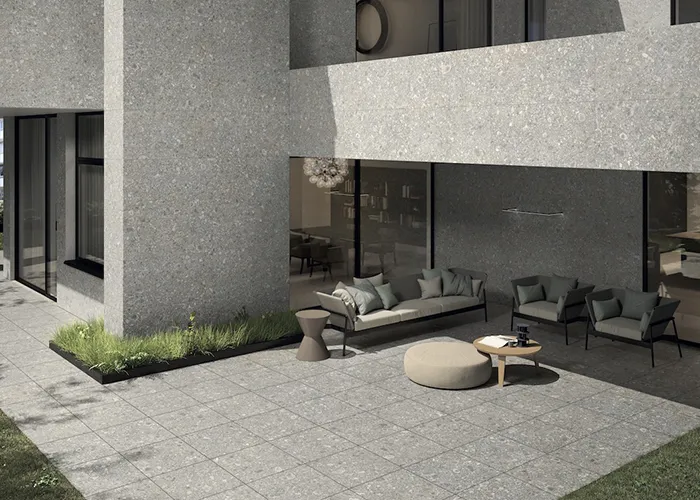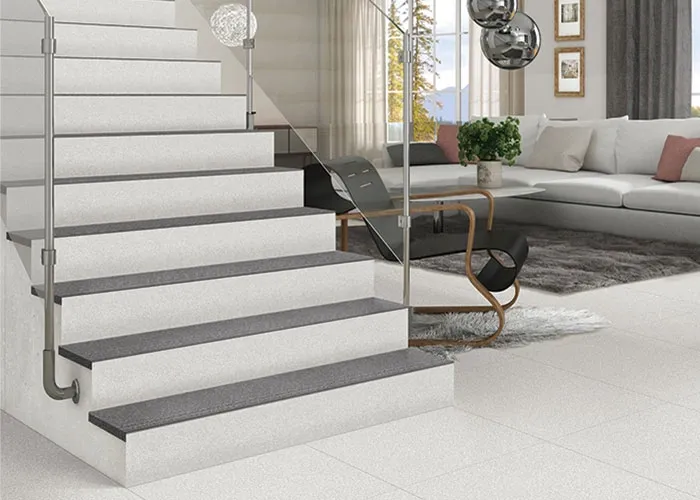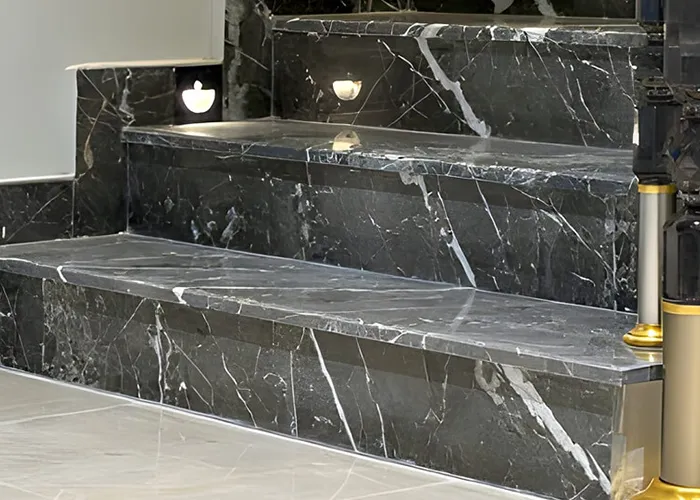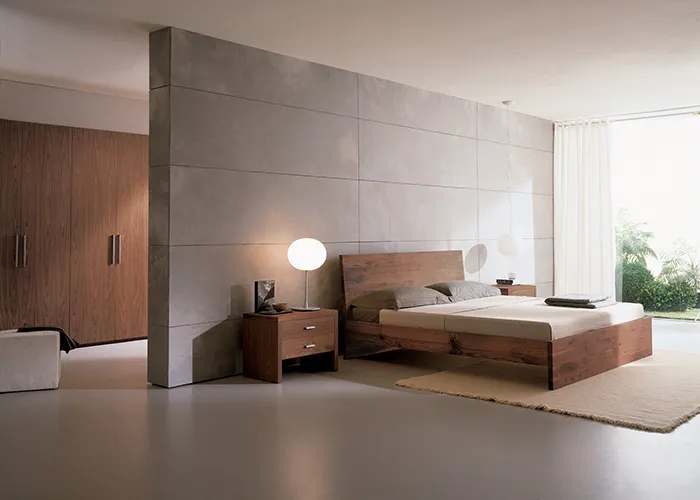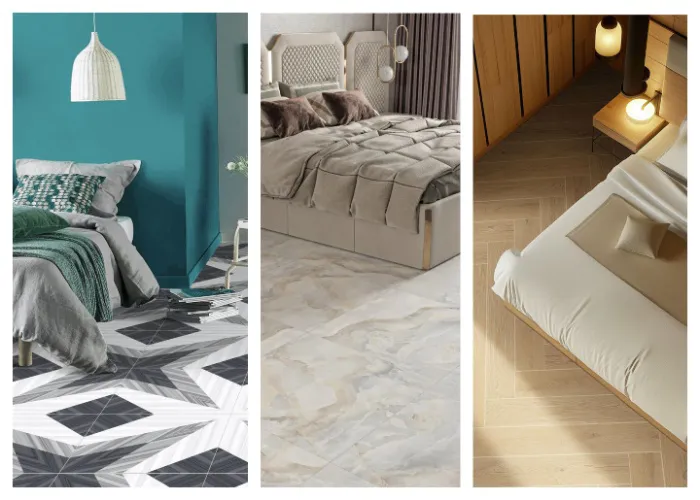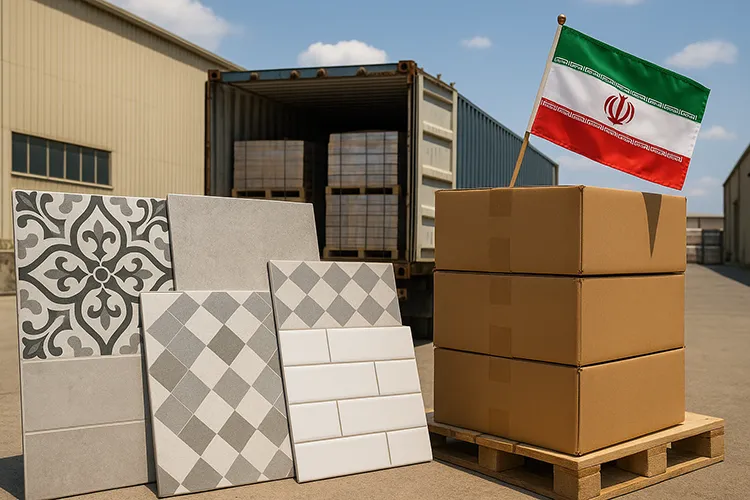
Exporting bathroom tiles from Iran has witnessed remarkable growth in recent years, driven by the superior quality of Iranian ceramics and tiles. With the enhancement of raw material quality and the adoption of cutting-edge technologies in design and manufacturing, Iranian tiles have gained significant popularity in international construction markets.
Today, producing export-quality ceramics demands strict attention to detail, especially when targeting sensitive markets such as European countries. Ensuring premium quality is the top priority for successfully exporting bathroom tiles from Iran. While more affordable tiles are often exported to neighboring markets like Iraq and the Persian Gulf countries, trading even in these regions comes with its own unique set of challenges. Nevertheless, the consistent improvement in quality and design has positioned Iranian tiles as a competitive option on the global stage.
Why Exporting bathroom tiles from Iran?
Exporting bathroom tiles from Iran offers significant advantages due to the country’s rich history in ceramics and tile production. Iran has long been known for its artistic craftsmanship and high-quality materials, making its bathroom tiles attractive to international buyers. The combination of traditional designs and modern manufacturing techniques allows Iranian exporters to meet diverse global market demands.
One of the key reasons for exporting bathroom tiles from Iran is the country’s competitive pricing. With access to abundant raw materials and a skilled labor force, Iranian manufacturers can produce tiles at lower costs without compromising quality. This gives them a strong advantage in international markets, where buyers are always looking for a balance between price and durability.
In addition, exporting bathroom tiles from Iran helps boost the local economy by generating foreign exchange and creating job opportunities. As global demand for unique and affordable tiles continues to rise, Iran’s tile industry can play a crucial role in expanding the country’s export portfolio. By focusing on quality, innovation, and customer satisfaction, Iranian tile exporters are well-positioned to strengthen their presence in global markets.
Ceramic Bathroom Tiles Manufactured in Iran
When choosing tiles for your bathroom, it’s important to consider design ideas. With countless options available, finding the perfect tiles that align with your needs for durability, cleanliness, and design becomes an exciting opportunity. Ceramic bathroom tiles produced in Iran offer an excellent combination of functionality and style, making them an ideal choice for any bathroom project.
Our extensive collection of bathroom tiles includes various styles, allowing you to select the design that perfectly matches your preferences. Whether you’re interested in ceramic, stone, or porcelain tiles, there is something for every taste. The diverse range of colors ensures you’ll find the ideal match for your bathroom’s aesthetic.
What sets ceramic bathroom tiles from Iran apart is their durability and timeless beauty. With the right selection of tiles and matching edge frames, you can craft a design that’s both visually appealing and long-lasting. The high-quality materials used in Iranian ceramics contribute to tiles that are resistant to wear and easy to maintain, making them a practical yet stylish choice for bathrooms.
When considering exporting bathroom tiles from Iran, it’s important to emphasize the exceptional quality and aesthetic versatility of these tiles. By highlighting their durability, variety of designs, and competitive pricing, Iranian ceramic tiles can stand out in international markets. Customers seeking a balance of beauty and functionality for their bathroom projects will be drawn to the premium options available, making Iranian-made ceramic tiles a sought-after choice for high-end bathroom solutions.
Features of Bathroom Tiles Made in Iran
Ceramic tiles are among the best options for bathrooms and restrooms due to their high resistance to abrasion, moisture, and chemicals. Available in various designs, colors, and sizes, these tiles can help create a beautiful and functional space in your bathroom.
Ceramic tiles are particularly suitable for bathroom walls for several reasons:
- Water Resistance
Ceramic tiles do not scratch or crack easily and are highly resistant to moisture and chemicals. These properties make them an ideal choice for bathrooms and environments with natural humidity susceptible to mold and mildew growth. If you are considering exporting bathroom tiles from Iran, it is important to highlight these outstanding qualities.
- Wide Variety of Designs and Colors
Ceramic tiles offer a diverse array of patterns, colors, and sizes. This variety allows you to match the tiles with any interior décor style, whether modern, traditional, or minimalist.
- Mold and Mildew Resistance
Bathroom ceramic tiles offer excellent resistance to mold and mildew, making them ideal for humid spaces. Their dense, non-porous surface prevents moisture from seeping in, limiting the conditions needed for mold growth. Many ceramic tiles are also enhanced with special coatings that further protect against moisture and bacteria. This makes it easy to maintain a clean, hygienic bathroom with basic cleaning. Mold and mildew-resistant tiles not only keep the space looking fresh but also promote a healthier environment by minimizing allergens and unpleasant smells. Choosing these tiles ensures lasting beauty, durability, and easy maintenance for any bathroom.
- Easy to Clean
Ceramic tiles are Simple to maintain and clean, preventing the buildup of dirt and grime. This feature is particularly valuable in bathrooms, where moisture and contaminants are common. When exporting bathroom tiles from Iran, emphasizing the ease of cleaning can be a strong selling point for international markets.
Best Materials for Bathroom Tiles
- Ceramic Tiles
One of the most common types of bathroom tiles is ceramic tile. Made from clay, feldspar, and quartz, ceramic tiles are highly resistant to moisture, abrasion, and discoloration. Their durability and wide range of designs make them a popular choice for both residential and commercial bathroom spaces. If you are interested in exporting bathroom tiles from Iran, ceramic tiles represent a highly marketable option due to their versatility and reliability.
- Porcelain Tiles
Porcelain tiles are also made from clay, feldspar, and quartz, but they are denser, harder, and more resistant than regular ceramic tiles. Thanks to their superior strength and low water absorption, porcelain tiles are often used in public bathrooms and healthcare facilities, where durability and hygiene are critical. The trend of exporting bathroom tiles from Iran increasingly highlights the demand for high-quality porcelain tiles in international markets.
- Natural Stone Tiles
Natural stone tiles are crafted from granite, marble, and travertine. These tiles offer a luxurious and elegant look, making them ideal for upscale bathroom designs. However, they tend to be more expensive than other tiles and are less resistant to moisture and abrasion. Proper sealing and maintenance are crucial when using natural stone tiles, especially in high-humidity environments like bathrooms.
- Anti-slip Features
The slip resistance of bathroom tiles can vary and is influenced by several factors specific to each tiling project. Thanks to the classification of tiles based on their slip-resistant properties, selecting the right tiles to prevent slipping has become simpler. A broad range of anti-slip bathroom tiles is available in various designs, colors, and sizes to meet different needs and preferences.
However, it’s strongly advised to work with a professional tile contractor to ensure the proper selection and installation. Each project has unique requirements, and accurate advice can only be provided after a thorough Site assessment. When exporting bathroom tiles from Iran, emphasizing the availability of anti-slip options and the importance of professional installation can Offer a significant edge in competitive global markets.
How to Choose Bathroom Tiles for Export
In interior bathroom design, the choice of tile size and color plays a crucial role. Interior designers recommend using smaller tiles for small bathrooms, As they create a sense of spaciousness and openness. On the other hand, using large tiles in small bathrooms can make the space seem more cramped and confined.
However, Tiny tiles can also create a cluttered and chaotic look in the bathroom. In this case, the grout lines between the tiles become more noticeable, making the bathroom appear smaller.
Regarding tile color, it is advisable to choose neutral and light colors for the bathroom. Light colors help make the space look bigger and brighter, while neutral shades allow the design and color of the wall tiles to stand out more.
For the bathroom ceiling, neutral or white colors are recommended. Light colors on the ceiling Also enhance the sense of space and brightness.
When considering exporting bathroom tiles from Iran, offering a range of light and neutral-colored tiles can attract international customers looking for designs that maximize space and create a bright, welcoming atmosphere.
- Factors to Consider (Size, Durability)
For small bathrooms, tiles with 20×20 cm or 30×30 cm are suitable options. These sizes help maximize space while offering an aesthetically pleasing design. On the other hand, larger bathrooms can benefit from tiles sized 40×40 cm or 60×60 cm, which provide a more expansive look and feel.
When considering exporting bathroom tiles from Iran, it is essential to offer a variety of tile sizes that cater to different bathroom sizes, ensuring your customers find the perfect match for their needs.
- Choosing the Right Design
Light-colored tiles, such as white, cream, and beige, are ideal for small bathrooms as they create the illusion of a larger, more open space. In contrast, darker colors like black, brown, and navy can make a small bathroom appear more cramped and confined.
Similarly, light ceiling colors such as white, cream, and beige are recommended for bathroom ceilings, as they contribute to a more spacious feel. Darker shades on the ceiling can have the opposite effect, making the bathroom feel smaller.
When considering exporting bathroom tiles from Iran, offering a wide selection of light-colored tiles can appeal to customers looking to maximize space in smaller bathroom settings.
Export Packaging and Logistics for Bathroom Tiles
Shipping bathroom tiles from Iran requires careful consideration of several legal, logistical, and regulatory factors to ensure a smooth and efficient export process. Below is a comprehensive overview of the essential steps and information related to exporting bathroom tiles from Iran:
-
Export Documentation and Compliance
Before exporting bathroom tiles, businesses must secure various permits and licenses. These include the following:
- Business Registration and Documentation
Ensuring the company is legally registered in Iran and can conduct international trade.
- Customs Declarations
A goods declaration permit is needed to meet Iranian customs requirements.
- Quality Certifications
Ceramic tiles from Iran often need certification from the Iranian National Standards Organization (INSO), to confirm compliance with local and international standards.
- Export License
Specific licenses may be required depending on the type of tile, which ensures compliance with national export regulations.
Iranian ceramic tiles are typically classified under the Harmonized System (HS) code 6901, which includes ceramic tiles, bricks, and similar products. This classification is vital for understanding applicable tariffs and taxes when exporting to international markets.
-
Shipping and Logistics
exporting bathroom tiles from Iran requires careful packaging, labeling, and transportation management to ensure safe delivery. Proper packaging is essential to prevent any damage during transit, ensuring tiles arrive at their destination intact. The tiles should be securely wrapped and cushioned with protective materials. Additionally, clear labeling with “Fragile” and “Keep Dry” instructions is necessary to guide handlers and ensure the tiles are transported with the utmost care, minimizing the risk of breakage.
- Protecting Tiles During Shipping
Ceramic tiles should be securely wrapped with cushioning materials. Labeling must include the product description, the country of origin (Iran), and handling instructions like “Fragile” or “Keep Dry.”
Transporting delicate ceramic bathroom tiles requires meticulous care to avoid any damage. It’s essential to use protective materials such as foam or bubble wrap for proper cushioning. The tiles should be arranged carefully and marked with “Fragile” and “Keep Dry” labels. It is crucial to ensure the tiles are securely placed during transport and handled carefully to avoid breakage, ensuring they reach their destination in flawless condition.
- Freight Forwarding
Freight forwarding for ceramic bathroom tiles involves managing the entire shipping process, from selecting the best shipping method to coordinating transport from the factory to the port. Freight forwarders handle packaging, port operations, customs clearance, and necessary documentation. By overseeing these steps, they ensure that tiles are securely packed, transported efficiently, and delivered on time, minimizing the risk of damage throughout the journey.
- Shipping Costs
Costs will depend on shipment size, destination, and delivery method. Common payment terms include Letter of Credit (L/C), advance payments, or open account terms, depending on the buyer’s and seller’s agreements.
Key Markets for Bathroom Tile Export
Iran’s exports reach a wide range of markets across the globe. Here’s a look at the key regions importing Iranian products:
- Asia
Iran maintains strong trade relationships with Asian nations like China, India, South Korea, and Japan. These countries mainly import Iranian oil, petrochemicals, minerals, and agricultural goods. Additionally, Iran’s strategic location along the Belt and Road Initiative enhances its commercial ties with Central Asia.
- Europe
European nations such as Germany, Italy, and Spain represent significant markets for Iranian exports. Items like petrochemicals, automotive components, agricultural produce, and traditional handicrafts are regularly shipped to Europe. The Joint Comprehensive Plan of Action (JCPOA) Was key to reinforcing the strengthening of Iran-EU trade relations.
- Middle East
Iran shares close economic partnerships with its Middle Eastern neighbors, including the UAE, Iraq, and Saudi Arabia. The region consistently demands Iranian building materials, food products, and consumer goods.
- Africa
Iran’s export activities in Africa have seen notable growth. Nations such as South Africa, Nigeria, and Kenya import A broad spectrum of Iranian agricultural, industrial, and consumer goods. Additionally, Iran contributes to African development by providing technical support and engaging in infrastructure projects.
- Americas
Although a smaller share of Iranian exports heads to the Americas, nations like Brazil and Venezuela import Iranian petrochemicals and agricultural goods. Eased economic restrictions have further opened trade opportunities across Latin America.