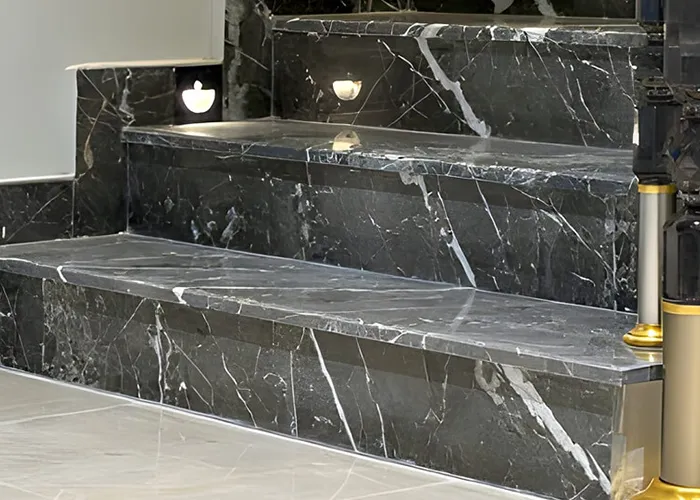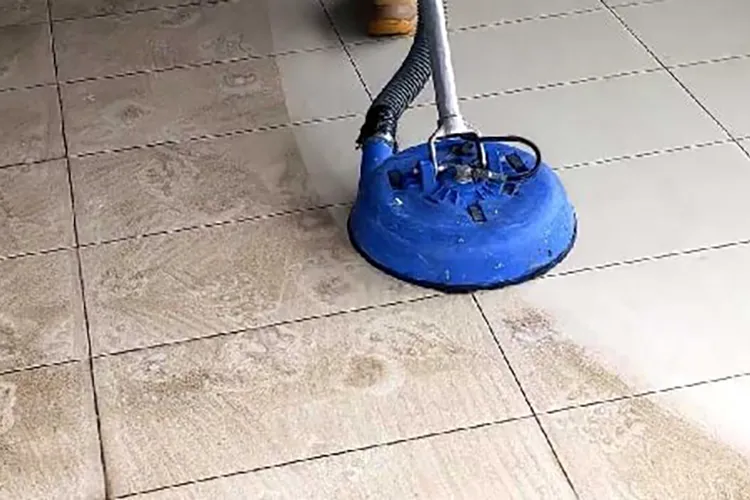
Effective methods to remove stains from ceramic and porcelain tiles is one of the most important concerns in maintaining a clean and healthy home. Whether in newly built houses or spaces that have been in use for some time, tiles can accumulate stubborn stains and white residue that not only affect the appearance but also reduce the longevity of the surfaces. Proper cleaning methods, both natural and industrial, play a key role in keeping your ceramic tiles surfaces spotless and hygienic. From simple home remedies using vinegar, baking soda, lemon, or hydrogen peroxide, to professional techniques like brush washing, each method has its place in ensuring sparkling and bacteria-free tiles.
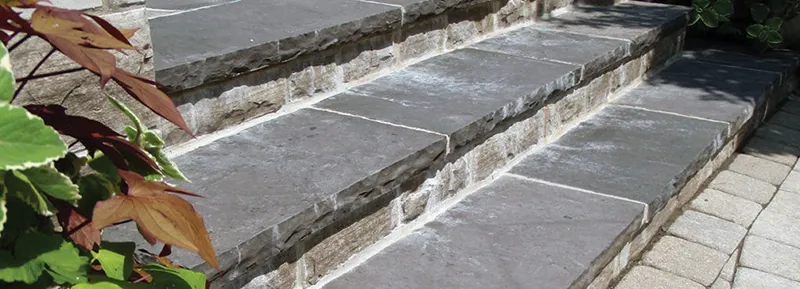
Effective methods to remove stains from ceramic and porcelain tiles
Effective methods to remove stains from ceramic and porcelain tiles
Ceramic tiles have long been one of the most popular and practical flooring options for homes, and their popularity continues to rise every year. They combine durability, elegance, and easy maintenance, making them a favorite choice for kitchens, bathrooms, and living spaces. However, like any flooring surface, they are constantly exposed to dirt, spills, and grime, which means knowing the best ways to clean and remove stains from ceramic floor and wall tiles is essential. This is especially true for ceramic and porcelain finishes, which are polished and glossy making even the smallest marks stand out clearly. Without proper stain removal for ceramic tiles, the beauty of your floors can quickly be overshadowed by unsightly spots.
Suggested Article: How To Distinguish Porcelain Tiles From Ceramic Tiles?
When you notice stains on your ceramic or porcelain surfaces, some of them can be stubborn and surprisingly difficult to remove. Instead of disappearing with a quick wipe, these marks may leave behind a faint shadow or residue. For light stains, a simple cotton cloth and warm water may be enough to clean ceramic tiles from stains, but tougher blemishes require more targeted solutions. Before using any method to remove tough stains from porcelain tiles, it’s important to ensure your cleaning process won’t damage the surface. Even though ceramic and porcelain are generally resilient, the wrong approach can still cause scratches, discoloration, or dullness. To avoid this, always test your cleaning method on a hidden section of tile or grout first.
If your ceramic tiles are showing early signs of staining or mold growth or if you simply want to refresh the look of older floors—there are proven stain removal for ceramic tiles techniques that can help you restore their original charm. We will explore practical tips to clean ceramic tiles from stains and prevent future discoloration. But first, it’s worth understanding why these surfaces are prone to marks and mildew in the first place. And just so you know it’s not your fault.
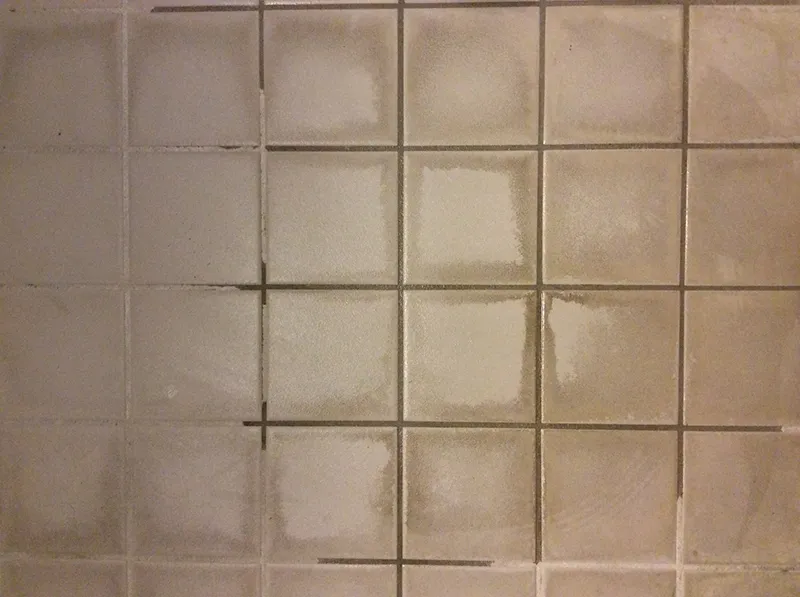
Why do stains and mold appear on ceramic and porcelain tiles?
Why do stains and mold appear on ceramic and porcelain tiles?
To keep any type of ceramic or porcelain tile in pristine condition, regular and consistent cleaning is key. Frequent maintenance is the most effective way to prevent discoloration, as some marks can become more stubborn over time, making stain removal for ceramic tiles far more challenging. Even with the best care, stains and mold will still appear on these surfaces, and the main reason is the growth of various types of bacteria.
There are several factors that contribute to the development of stain-causing microbes on your tiles. Increased room temperature and humidity provide the perfect breeding ground for bacteria, while spills from food and drinks can leave behind residues that eventually lead to staining. Once these bacteria settle, they can quickly make it harder to clean ceramic tiles from stains, especially if they are left untreated.
Suggested Article: Stone vs Ceramic Tiles
Another common cause is environmental exposure. Moisture from showers, steam from cooking, or even damp weather can seep into grout lines and encourage mold growth. Since bacteria and microorganisms are present all around us, it’s virtually impossible to completely stop them from coming into contact with your tiles. That’s why prevention is crucial. Taking action before marks and mildew form is the most reliable way to remove tough stains from porcelain tiles and keep them looking beautiful for years to come.
Remember, the best ways to clean and remove stains from ceramic floor and wall tiles always begin with prevention regular wiping, immediate spill cleanup, and proper ventilation can dramatically reduce the chances of persistent discoloration.
Prevention is better than cure and your tiles are no exception
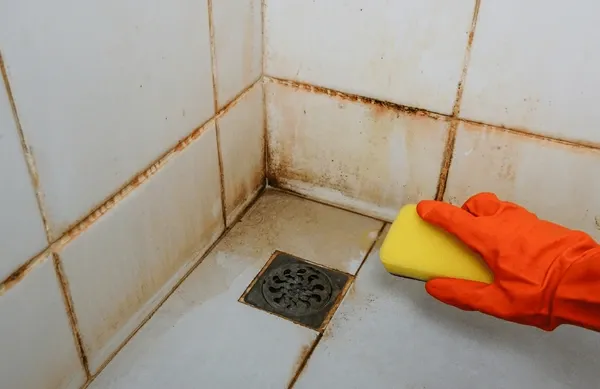
Prevention is better than cure
When it comes to stain removal for ceramic tiles, the old saying prevention is better than cure could not be more accurate. Before you learn advanced polishing methods or special cleaners, it’s far more effective to stop your floors from becoming dirty or dull in the first place. Ceramic and porcelain tiles can bring remarkable beauty to a home, but that same beauty can fade quickly if grime and stains are left unchecked.
Suggested Article: Ceramic vs Porcelain Tiles
To avoid this, make cleaning a daily habit or at least a short weekly routine. Simply wiping your tiles with clean water or a mild, diluted household cleaner such as bleach can go a long way. Regular maintenance prevents the buildup of stubborn marks, making it much easier to clean ceramic tiles from stains before they become permanent. By doing so, your floors will retain their shine and brilliance for many years.
-
The cleaning method depends on the type of stain
Before attempting any stain removal for ceramic tiles, you must first identify the type of stain you’re dealing with. Different marks require different solutions, and using the wrong method could damage your tiles. In this guide, we’ll cover common and effective techniques for dealing with stains caused by ink, grease, fruit juice, tea, coffee, gum or wax, blood, nail polish, and more. Always remember to test your chosen method in an inconspicuous area to ensure it won’t harm the tile’s surface or grout.
-
Identifying the type of tile is crucial for safe stain removal
Tiles come in a wide variety of materials—ceramic, porcelain, marble, slate, and other natural stones. Each material has its own cleaning and care requirements that must be considered when you want to remove tough stains from porcelain tiles or any other surface. If you are unsure of the safest approach, consult the manufacturer for specific recommendations.
Ceramic and porcelain tiles are generally very durable and resistant to most stain removal for ceramic tiles methods. However, natural stone tiles such as limestone, travertine, or marble require extra caution. Many traditional cleaners contain harsh chemicals that can damage their delicate surface. For these materials, always use non-abrasive products designed specifically for natural stone. Avoid acidic cleaners like lemon juice or vinegar, as well as stiff brushes that could scratch the finish.
By understanding your tile type and applying the best ways to clean and remove stains from ceramic floor and wall tiles, you can extend the life and appearance of your surfaces while keeping them looking fresh and spotless.
Suggested Article: Exporting Porcelain Tiles from Iran
Methods to Remove Different Stains on Ceramic and Porcelain Tiles
Mineral deposits, soap scum, rust, and food spills can leave marks on your tiles if not addressed promptly. Most stains can be effectively handled with the right cleaner and a little scrubbing. However, certain stains require specific techniques to remove tough stains from porcelain tiles and restore the floor to its original shine. Here are some practical solutions for common stain types:
1. Soot or Grime
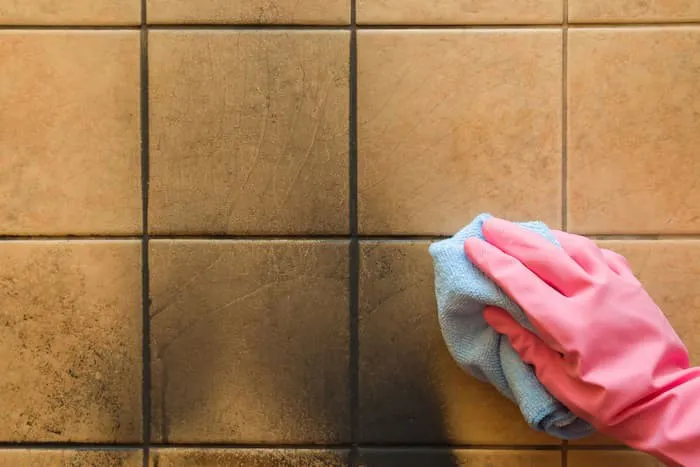
how to remove soot from ceramic tiles?
Soot can sometimes cover deeper stains. Before attempting any stain removal for ceramic tiles, make sure to remove all surface dirt. A standard tile cleaner usually works for light marks, though a non-abrasive pad may be necessary. Soap scum residue can be eliminated using a mixture of 1 tablespoon trisodium phosphate with 1 gallon of hot water. Always remove covering soot before tackling deeper stains.
2. Blood

How to remove blood from ceramic tiles?
Gently dab the stain with a soft cloth soaked in hydrogen peroxide or a diluted bleach solution to clean ceramic tiles from stains caused by blood.
3. Coffee, Tea, or Juice
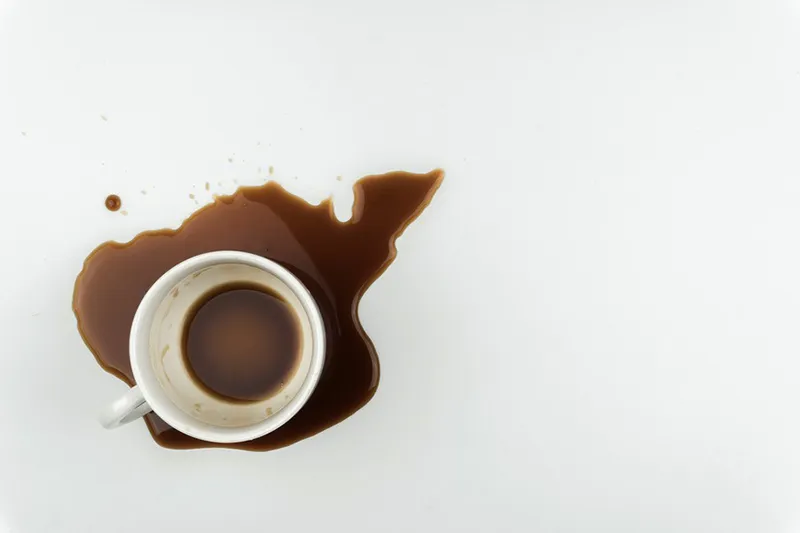
How to remove Coffee from ceramic tiles?
Wash the affected area with a mild detergent and hot water first. Follow up with hydrogen peroxide or a diluted bleach solution to completely eliminate the stain.
4. Gum, Wax, or Tar

how to remove Gum, Wax or Tar from ceramic tiles?
Place ice cubes in a sealable plastic bag and position it over the substance on the tile. Once it hardens, carefully remove it with a popsicle stick. Any residue can be wiped away using a non-flammable paint thinner.
Suggested Article: Ceramic tile export from Iran
5. Grease or Oil
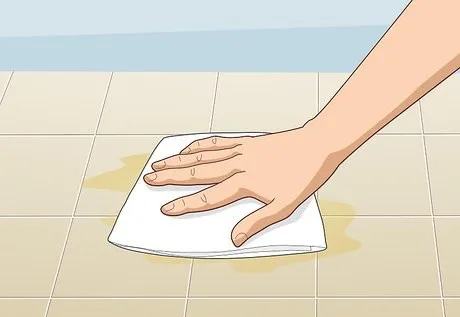
how to remove Grease or Oil from ceramic tiles?
Scrub the stain with a mixture of baking soda and water, or use a non-abrasive floor cleaner to remove tough stains from porcelain tiles.
6. Ink or Paint
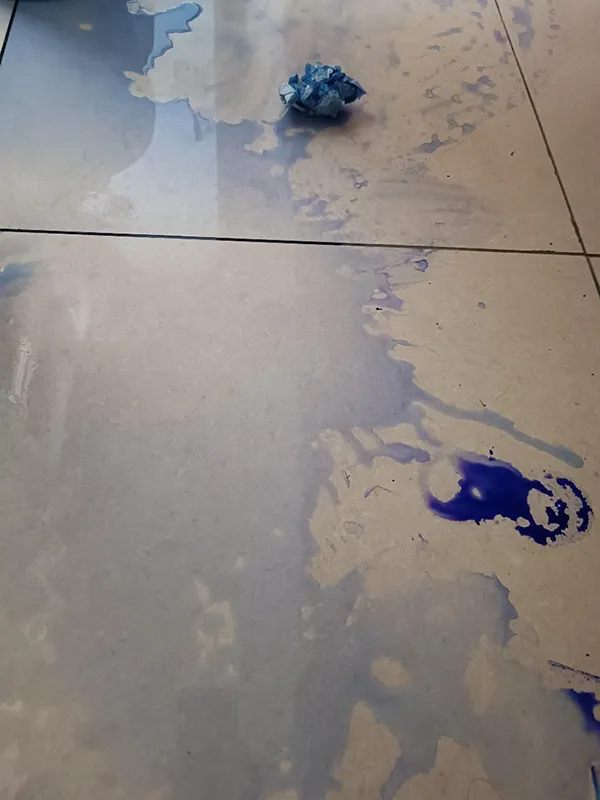
how to remove Ink or Paintfrom ceramic tiles?
Moisten a clean cloth with diluted bleach and apply it to the stain. Leave the cloth in place until the stain lifts, then rinse thoroughly.
7. Iodine
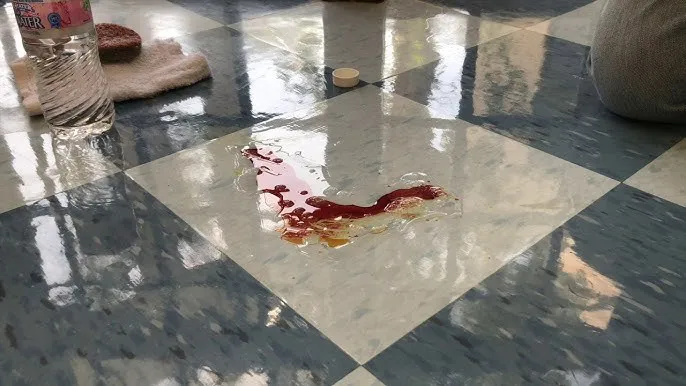
how to remove Iodine from ceramic tiles?
Clean iodine stains with diluted ammonia and rinse the area well afterward.
8. Nail Polish
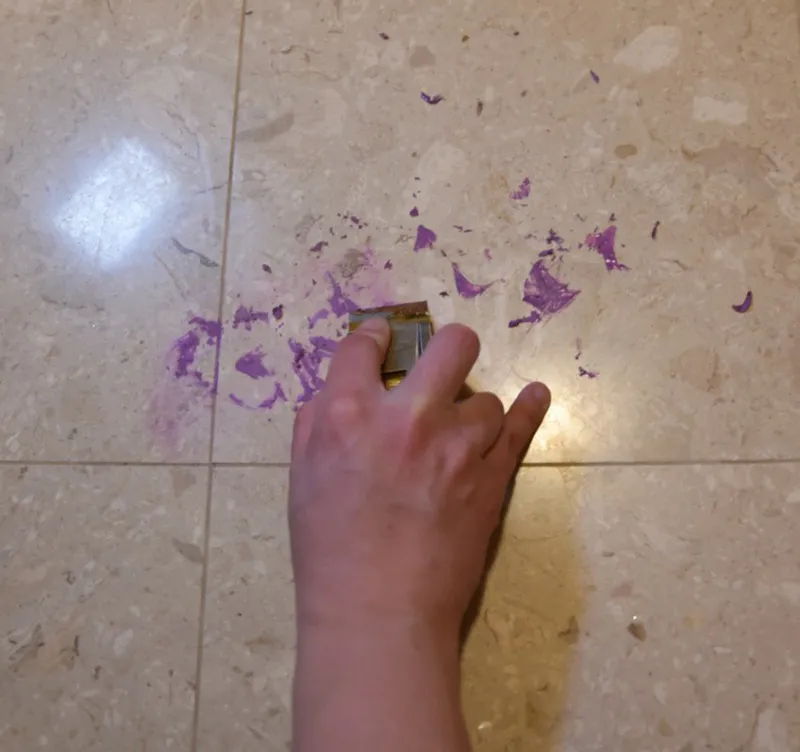
how to remove nail polish from ceramic tiles?
Use a nail polish remover to lift the stain. If traces remain, apply hydrogen peroxide or a diluted bleach solution to fully clean ceramic tiles from stains.
9. Water Stains
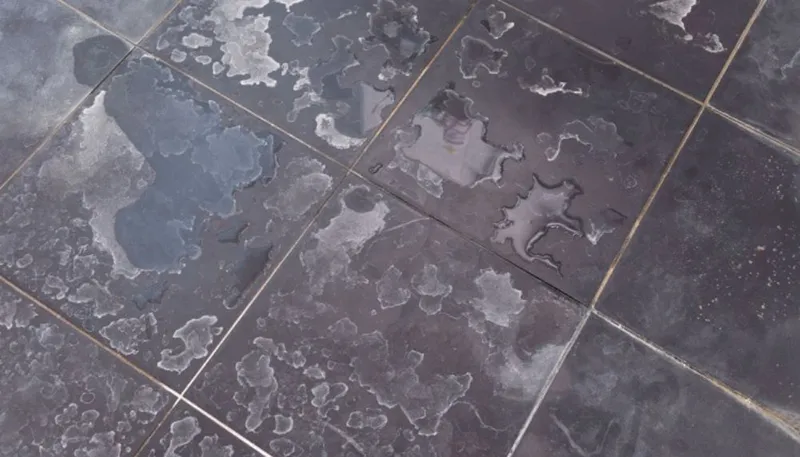
how to remove water stains from ceramic tiles?
Minerals in water can leave white, gray, or orange-brown marks depending on iron content. Trisodium phosphate helps remove them, but may not penetrate deeply. Sprinkling baking soda followed by vinegar can effectively lift stubborn marks. Expect bubbling when applied; leave the mixture for 15 minutes before wiping with a non-abrasive sponge.
10. Rust Stains
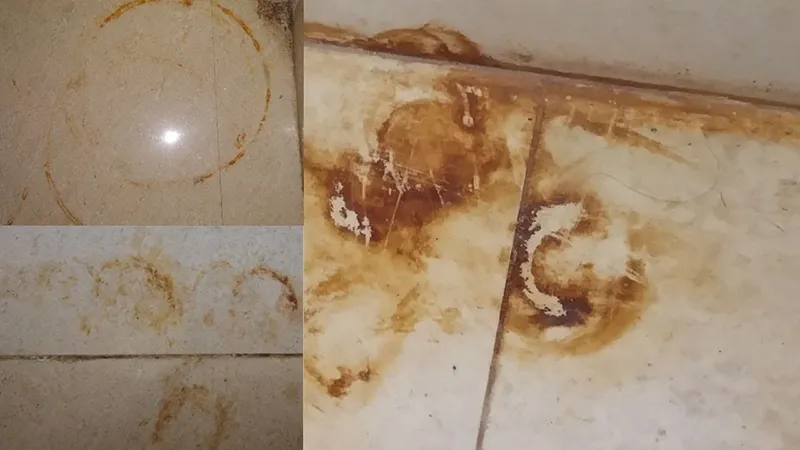
how to remove Rust stains from ceramic tiles?
Red or brown rust marks from iron can often be removed with a paste made from equal parts borax and lemon juice. Mild powdered cleaners may also work—just avoid scratching the tile. For copper or blue-green stains, mix 1 part ammonia with 1 part water. Never combine ammonia with bleach, as toxic gases will form. Brown, black, and other marks can be treated with a paste of equal parts cream of tartar and hydrogen peroxide.
11. Grout Stains
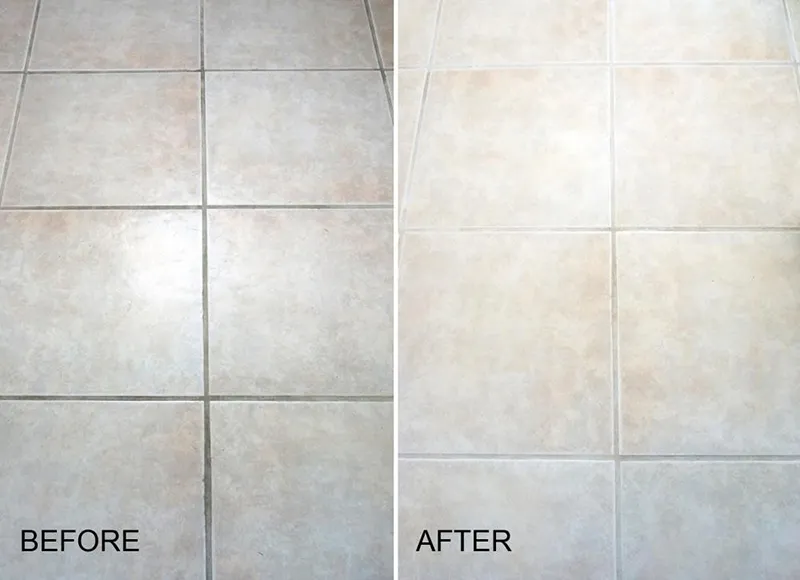
how to remove Grout stains from ceramic tiles?
Sometimes the discoloration appears on grout between tiles rather than the tile itself. Oxygen-based bleach can lift these marks without damaging tiles or grout. For stubborn stains, mix 4–8 tablespoons of powdered bleach with 1 gallon of cool water, apply to the area, let it sit for 30 minutes, then rinse. A thicker paste of bleach powder and water can be applied to persistent stains for the same duration before rinsing.
Suggested Article: Exporting Porcelain floor tiles from Iran
How to Remove Hard Water Stains from Tiles
In tiled areas such as showers, around faucets, or sinks, hard water stains can form on the surface. To protect the tile finish, avoid abrasive cleaners or scouring powders, as they may scratch the surface. Instead, use vinegar to dissolve mineral buildup, making it easier to clean ceramic tiles from stains. (Note: This method is safe for acid-resistant surfaces such as glazed ceramic or glass tiles. It is not recommended for natural stone tiles.)
Soak a cloth or sponge with vinegar and apply it to the stained area until it is thoroughly wet. Let the vinegar sit for a few minutes to penetrate the deposits, then wipe again to keep the surface moist. Sprinkle a small amount of baking soda over the tile (it will fizz slightly when reacting with vinegar), then gently scrub with a damp sponge. Rinse thoroughly with water to remove all vinegar and baking soda residue, and immediately dry the tile with a soft cloth to prevent further water marks. For hard water stains on natural stone tiles, use a cleaner specifically designed for natural stone surfaces.
How to Remove Rust Stains from Ceramic Tiles
Rust stains usually appear in bathrooms or on tiled floors when metal objects remain in contact with the tile surface for a long period of time. To remove these dark orange marks, you can use a simple homemade mixture. Combine equal parts lemon juice and borax to form a paste, gently rub it onto the rust stain, and let it dry. Once dry, rinse with water and wipe with a clean cloth. Repeat the process if necessary until the rust is completely removed. This method is a safe and effective way to remove tough stains from porcelain tiles caused by rust.
Removing Stains from Grout
If a permanent stain appears on grout, you can often clean it by following the techniques mentioned above. However, for grout stains that resist ordinary cleaning, removing the grout from the specific area may be necessary. A small grout remover, available at most home improvement stores, can quickly and effectively lift the stain.
Once the stained grout is removed, you will have a cavity that needs to be refilled. Bring a sample of your existing grout to a local store to find the closest match. After obtaining the grout, pour the dry mix into the prepared cavity. If the color matches your expectations, clean the surrounding area with a vacuum. Following the instructions on the packaging, prepare the grout mixture. Wearing gloves, firmly apply the grout into the damaged area, then wipe the surface with a clean, damp sponge to finish. Properly restoring the grout ensures a uniform, stain-free appearance and prevents future discoloration.
Suggested Article: Exporting tiles to Europe from Iran
5 Effective Ways to Clean Grout Stains on Ceramic Tiles
Maintaining clean grout is essential for a fresh and polished look in any tiled space. Here are five of the most effective methods to remove tough stains from porcelain tiles and grout lines:
-
White Vinegar
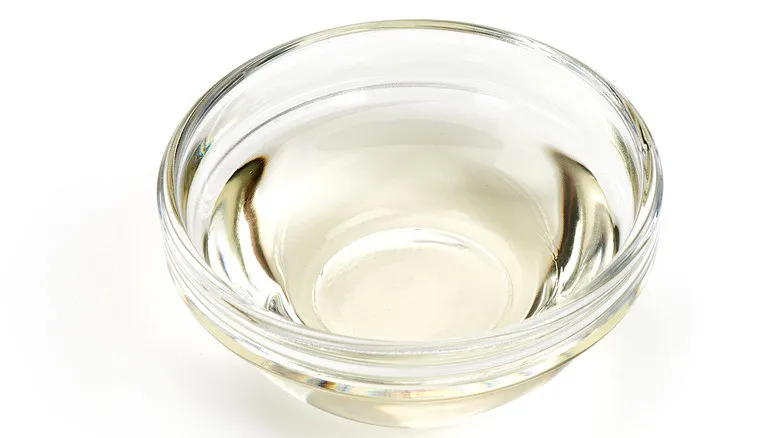
White vinegar for cleaning Grout stain from ceramic tiles
White vinegar is widely recognized as one of the best natural ingredients for whitening grout. Its natural acidity helps remove mold and water stains.
Materials Needed:
- ½ cup (125 ml) white vinegar
- ¼ cup (62 ml) warm water
Preparation:
Mix the vinegar with warm water in a bowl and pour the solution into a spray bottle.
How to Use:
Spray the solution on grout lines and let it sit for 10–15 minutes. Scrub with a sponge or brush and rinse thoroughly. For stubborn stains, repeat the process with a fresh vinegar solution.
-
Baking Soda
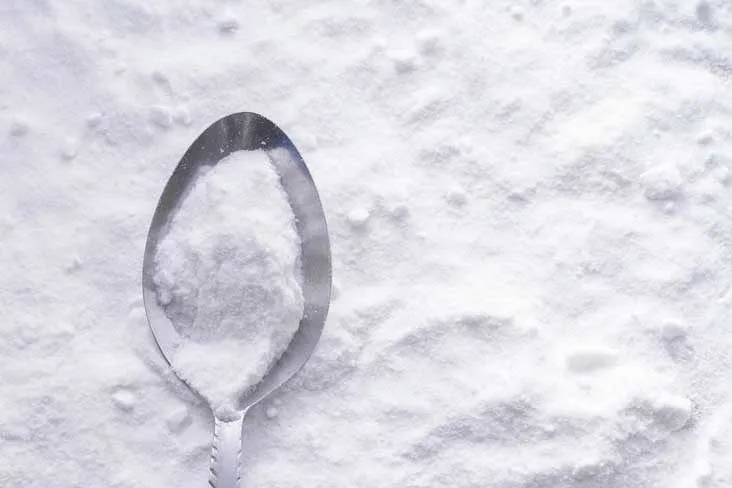
Baking soda for cleaning Grout stain from ceramic tiles
Baking soda is one of the most effective and safe cleaning agents. Its antifungal properties remove mold residues that accumulate between tiles while eliminating odors and bacteria.
Materials Needed:
- ½ cup (100 g) baking soda
- Hot water (as needed)
Preparation:
Mix baking soda with hot water to create a thick, wet paste.
How to Use:
Apply the paste to grout lines, let it sit for 30 minutes, then rinse thoroughly. This method works well for routine stain removal for ceramic tiles and maintaining bright grout.
Suggested Article: Exporting tiles from Iran to GCC countries
-
Lemon Juice
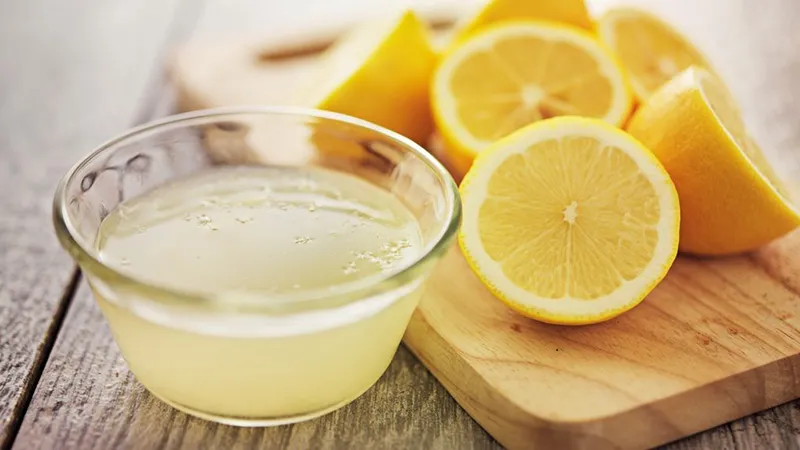
Lemon juice for cleaning Grout stain from ceramic tiles
The citric acid in lemon juice helps prevent bacterial and fungal growth in grout spaces while effectively removing dirt and discoloration.
Materials Needed:
- ½ cup (125 ml) fresh lemon juice
- ¼ cup (62 ml) warm water
Preparation:
Dilute fresh lemon juice with warm water and pour into a spray bottle.
How to Use:
Spray the solution on grout lines, scrub with a sponge, and rinse. Repeat until the grout is fully clean and bright.
Suggested Article: Exporting porcelain wall tiles from Iran
-
Apple Cider Vinegar
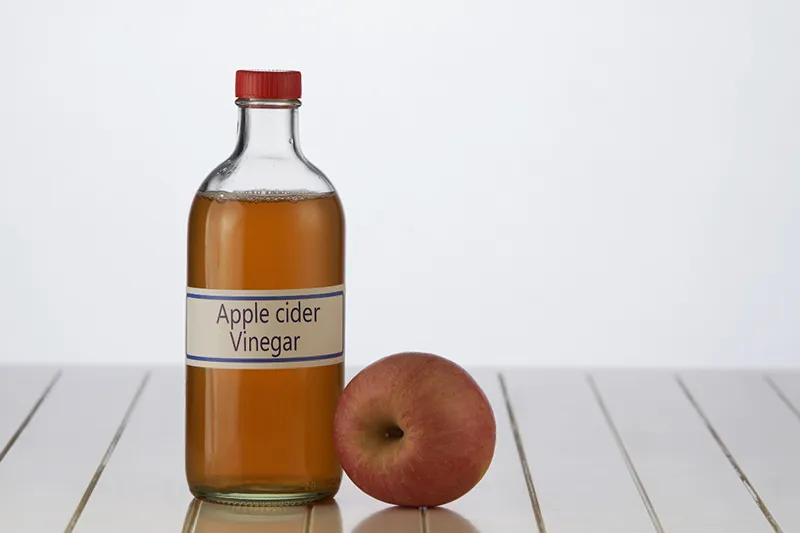
Apple cider vinegar for cleaning Grout stain from ceramic tiles
Although often used in cooking or natural remedies, apple cider vinegar is highly acidic and works surprisingly well for cleaning tiles and bathroom grout.
Materials Needed:
- ½ cup (125 ml) apple cider vinegar
- ½ cup (125 ml) water
Preparation:
Dilute the vinegar with water.
How to Use:
Dip a sponge into the solution and scrub the grout lines until the surface appears white. Rinse with warm water after cleaning.
-
Hydrogen Peroxide and Baking Soda
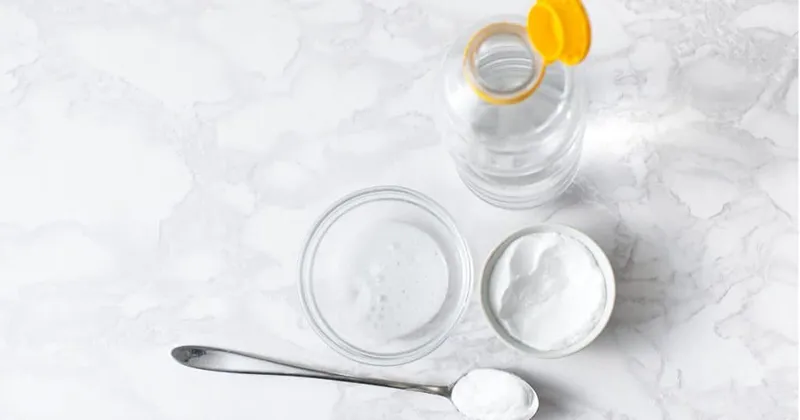
Hydrogen Peroxide and Baking Soda for cleaning Grout stain from ceramic tiles
Hydrogen peroxide is highly recommended for whitening grout and cleaning similar surfaces. Combining it with baking soda helps tackle water stains and soap scum effectively.
Materials Needed:
- ¼ cup (62 ml) hydrogen peroxide
- ½ cup (100 g) baking soda
Preparation:
Mix the ingredients to form a semi-solid paste.
How to Use:
Apply the paste to grout lines with a brush or sponge. Let it sit for 10 minutes, then rinse with warm water. For persistent mold or stains, follow up with white vinegar for optimal results.
Alternative Method Using Simple Tools
Materials Needed:
- Warm water
- Oxygen-based bleach
- Stiff brush (e.g., an old toothbrush)
- Towel
- Lemon
Steps:
- Clean the surface and allow the grout to soak completely.
- Dissolve 2 tablespoons of oxygen bleach in 2 cups of warm water.
- Soak the brush in the solution and scrub the grout in circular motions until stains are removed.
- For darker stains, apply lemon juice directly, let it absorb, then wipe clean and allow to dry. Use caution with lemon juice, as it may damage some surfaces.
- Spray the tiles and grout with a cleaner and wipe with a cloth. Let the grout dry completely before judging the result, as wet grout often appears darker than when dry.
Suggested Article: Exporting Glazed Ceramic Tiles from Iran
Cleaning Efflorescence and White Residue on Ceramic and Porcelain Tiles
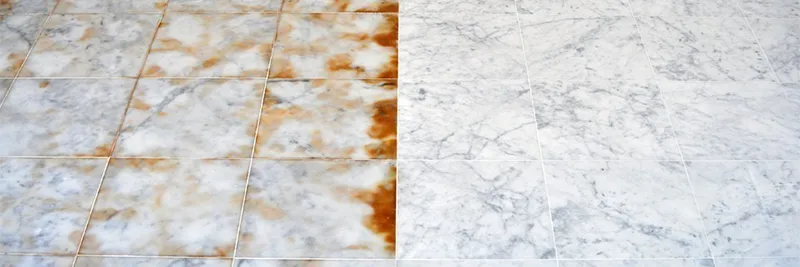
Cleaning Efflorescence and White Residue on Ceramic and Porcelain Tiles
Removing efflorescence and white residue from tiles and ceramic surfaces has always been a critical aspect of maintaining clean and polished floors. Many people search for effective solutions to tackle this issue. Entering a bathroom or restroom and seeing white residue on tiles and ceramics can immediately raise the question: how can these stains be removed efficiently?
The most common first instinct is to buy strong chemical cleaners. However, many of us have tried this approach. Harsh chemicals and strong cleaning agents can cause headaches, dizziness, throat irritation, and sometimes even damage the tiles or grout. Choosing a cleaner that matches the type of tile is crucial to avoid harming the surface.
You may wonder if the problem lies in your choice of tiles, but this is a common occurrence for many types of ceramic and porcelain tiles. Water deposits, cleaning residues, and other environmental factors often contribute to the formation of efflorescence and white stains. Fortunately, there are numerous methods to remove these marks, which can generally be divided into two categories: home remedies and industrial cleaning methods.
Home Remedies for Efflorescence on Tiles
Home-based solutions focus on natural ingredients to remove white residue from tiles and grout. These methods are often very effective, eco-friendly, and safe for human health. Using simple, everyday materials, individuals can achieve remarkable cleanliness and restore the shine of their ceramic or porcelain tiles.
If home remedies do not completely remove the efflorescence or provide satisfactory results, alternative approaches can be applied. Although chemical cleaning methods are gradually becoming outdated, in some cases, certain chemical cleaners can still efficiently remove stubborn white stains on tiles and grout.
- Safety Considerations
When using any cleaning material—whether homemade or commercially purchased—avoid contact with eyes and skin. Ensure proper ventilation to prevent inhalation of fumes. Following safety guidelines while cleaning protects both your health and the integrity of your tiles.
Suggested Article: Best floor tiles from Iran
Home Remedies for Cleaning Efflorescence and White Residue on Ceramic and Porcelain Tiles
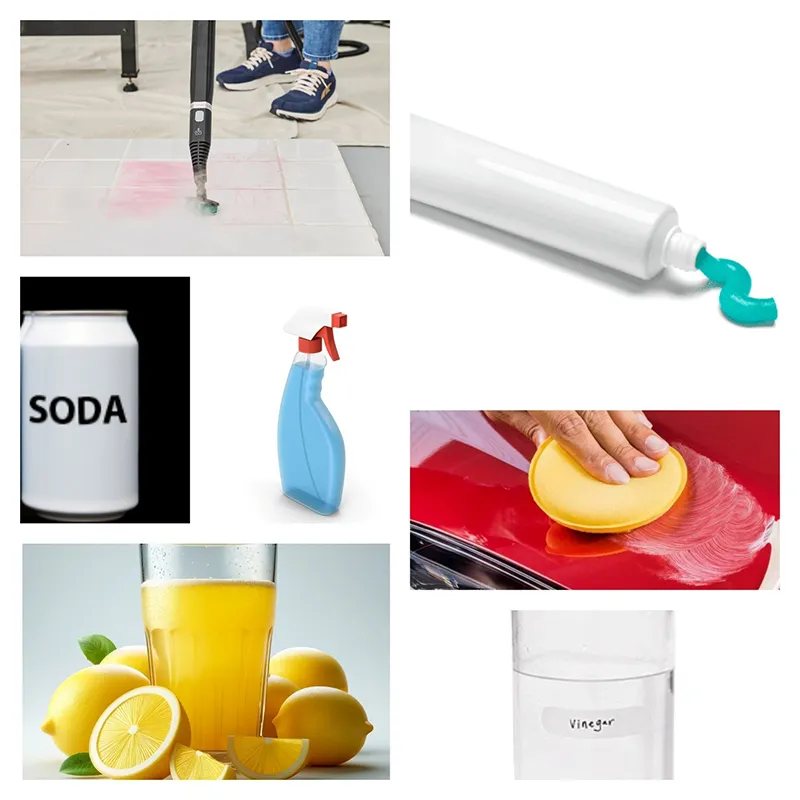
Cleaning Efflorescence and White Residue on Ceramic and Porcelain Tiles
Home-based solutions for removing efflorescence and white residue from ceramic and porcelain tiles are both safe and effective. Many people rely on simple combinations like vinegar and baking soda, which not only clean the surfaces but also eliminate bacteria and microbes. This method is environmentally friendly and avoids the use of harmful chemicals. Additionally, it can efficiently remove stubborn white stains on tiles. In some cases, lemon juice and even toothpaste added to the mixture can enhance the cleaning power. Using an old toothbrush or a soft scrubbing brush can make the process even more effective.
-
Lemon Juice
One highly effective home remedy involves fresh lemon juice. The natural acidic properties of lemon help dissolve efflorescence and white residue on tiles. Simply cut a lemon and rub it directly onto the affected areas to lift stains and restore shine.
-
Vinegar
Similar to lemon, vinegar is naturally acidic and serves as a powerful cleaning agent. Soak a cloth in vinegar and wipe the ceramic or porcelain surfaces to remove efflorescence and white deposits.
-
Car Wax
Using car wax is another method for removing stubborn white residue from tiles. Since this is a chemical-based approach, always test it on a small, hidden area first. If compatible, apply the wax to the surface, rub gently with a soft cloth, and then remove it after the stains disappear.
-
Homemade Cleaning Solutions
Some household solutions created through experience are surprisingly effective. One example combines ammonia, vinegar, and baking soda. Mix 1 cup of ammonia with ½ cup of vinegar and ¼ cup of baking soda, then add to a bucket of hot water. Use this solution to clean various ceramic and porcelain surfaces.
Another effective mixture involves hydrogen peroxide and baking soda. Apply the paste with a soft brush on tiles, let it sit briefly, then rinse with water to remove efflorescence and white residue. For tougher stains, adding a small amount of baking powder can increase the cleaning efficiency.
Suggested Article: Exporting tiles to African markets from Iran
-
Soap and Steam Cleaning
For new efflorescence, warm water with soap and a soft brush can effectively clean tiles. Steam cleaners are also highly efficient. By using hot steam, this method removes deep-seated dirt, residues, and bacteria invisible to the naked eye. Simply fill the water tank, switch on the device, and treat small sections at a time according to manufacturer instructions.
-
Toothpaste
Another unconventional but effective solution is toothpaste. Mix it with dishwashing liquid and use a soft brush to scrub white residue from tiles.
-
Glass Cleaner and Soda
Glass cleaners can also remove many tile stains, while acidic drinks like soda can help lift stubborn marks. Pour a small amount of soda onto the stain, let it sit for a few minutes, scrub with a soft brush, and finish by wiping the tiles clean with a damp cloth.
Suggested Article: Export floor tiles from Iran
Industrial Methods for Cleaning Efflorescence and White Residue on Ceramic and Porcelain Tiles
Industrial cleaning agents can be effective, but they should always be considered as a last resort. Many industrial cleaners can damage the surface of ceramic or porcelain tiles over time, causing discoloration or wearing down patterns. Some products may have improper pH levels or may not be compatible with your specific tile type, reducing their effectiveness or even causing harm. Therefore, careful selection and correct usage are crucial when using industrial solutions.
Tips for Safe Industrial Cleaning
- Choose the Right Cleaner for Your Tile Type
Always select a product specifically designed for your tile material. Acidic cleaners, for instance, can damage granite or other natural stones, so verify compatibility before use.
- Follow Manufacturer Instructions
Use the cleaner exactly as instructed. Overuse can gradually damage the appearance of your tiles. If a product lacks specific instructions, apply it sparingly, either neat or with minimal water, to maintain its cleaning strength.
- Alternative: Epsom Salt
For a chemical-free option, Epsom salt can be mixed with liquid soap to clean grout lines. Scrub gently and rinse thoroughly to avoid slipperiness.
Suggested Article: Exporting bathroom tiles from Iran
Common Industrial Cleaning Agents
- Bleach (Sodium Hypochlorite)
Bleach is a strong whitening and polishing agent for ceramic tiles. You can use it undiluted for tough stains or prepare a diluted solution by mixing 1 cup of bleach with ½ cup of water in a spray bottle. Apply to the tile, wait 5 minutes, scrub with a brush or mop, and wipe clean. Ensure proper ventilation and rinse thoroughly to remove bleach odors.
- Dishwashing Liquid
Though not a specialized tile cleaner, dishwashing liquid has strong grease-cutting properties. Dilute it in water, apply with a sponge, scrub the tiles, and rinse with a damp cloth.
- Muriatic Acid
Muriatic acid has been used by professionals for decades to remove stubborn stains from tile and stone surfaces. Safety is critical: wear heavy gloves, eye protection, and a mask, and ensure the area is well-ventilated. Dilute at least 1 part acid to 5 parts water (always pour acid into water, not vice versa). Apply with a brush, scrub gently, and rinse immediately. Dispose of any leftover solution safely.
- Limescale and Stain Removers (Descalers)
Specialized descalers or “grime removers” are designed to lift dirt and stains from ceramic, stone, and porcelain surfaces. Apply the product, let it sit for 10–15 minutes, scrub with a brush, and rinse with minimal water. Avoid skin contact, use proper ventilation, and wear a mask when handling these chemicals.
Important Safety Precautions
- Always use gloves, eye protection, and masks when handling industrial cleaners.
- Ensure proper ventilation by opening windows or using exhaust fans.
- Avoid mixing incompatible chemicals (e.g., bleach with ammonia), as toxic gases may form.
- Test any industrial product on a small, hidden area before full application.
Suggested Article: Exporting slab tiles from Iran
Brush Cleaning: The Ultimate Method to Remove Efflorescence and White Residue from Ceramic and Porcelain Tiles
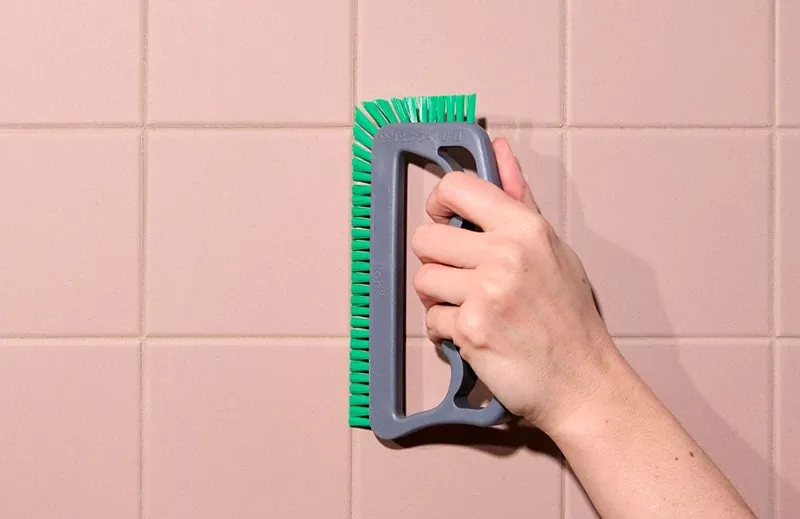
Brush Cleaning to Remove Efflorescence and White Residue from Ceramic and Porcelain Tiles
The most effective way to eliminate efflorescence and white residue from ceramic and porcelain tiles is professional brush cleaning. If you want flawless tiles, this method is highly recommended. Brush cleaning can remove even old, stubborn residues and restores the shine and mirror-like finish of your tiles. Modern floor service centers offer brush cleaning as part of their services, and any cracks or damage can be repaired using resin.
During brush cleaning, tiles are scrubbed using a specialized machine, making it the most reliable method for deep cleaning. You can also apply a waterproof coating afterward, which can reduce future cleaning frequency and costs by up to 70%.
Removing Cement and Plaster Stains from Tiles
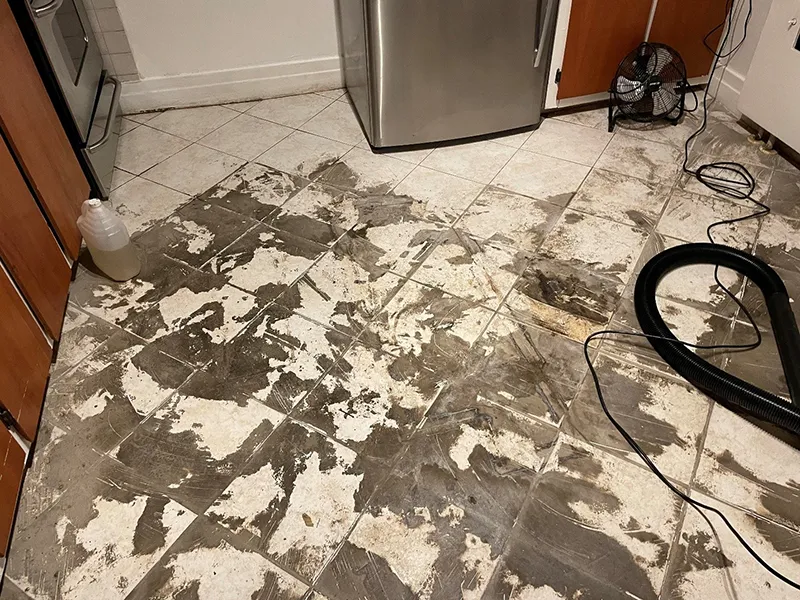
Removing Cement and Plaster Stains from Tiles
Cement and plaster stains are common in newly constructed homes and can be difficult to remove. To clean these stains from ceramic surfaces:
- Use a scraper to remove the surface layer of cement or plaster. Sweep the area to remove debris.
- Pour white vinegar over the stained areas and let it sit for at least one hour. If the vinegar dries, spray more to keep the stains moist.
- Once softened, scrub the stains with a brush to lift them off the tile. Wipe away the residue with a cloth.
- For added shine, scrub the tiles with a sponge and dishwashing liquid, rinse with water, and dry with a soft cloth.
Alternatively, a paste made from hydrogen peroxide and baking soda can be applied to stubborn cement or plaster stains. Mix them into a smooth, spreadable paste, apply to the affected area, wait a few minutes, then scrub and rinse.
Suggested Article: Export ceramic wall tiles from Iran
Preventing Stains on Bathroom Tiles

Preventing Stains on Bathroom Tiles
Following these four steps will help prevent stains and mold on your bathroom tiles:
- Maintain proper ventilation: Use a bathroom exhaust fan to reduce humidity, which inhibits bacterial and mold growth.
- Regular cleaning: Clean tiles at least once a week with a specialized tile cleaner to prevent stains and mold from forming.
- Treat mold immediately: If mold appears, ensure the bathroom is ventilated. Clean the tiles using a pre-mixed solution of 10% bleach and 90% water to remove most mold.
- For stubborn stains: Prepare a stronger cleaning solution by mixing 25% bleach with 75% baking soda. Always test the solution on a small area before applying it to the entire surface.
How to Prevent Stains on Kitchen Tiles and Ceramic Surfaces

Preventing Stains on Kitchen Tiles
Keeping your kitchen tiles and ceramic surfaces stain-free requires consistent care. Following these three steps will help maintain a clean and hygienic kitchen:
- Weekly Hot Water Cleaning: Clean your tile floors at least once a week using very hot water. This helps remove food residues and prevents stains from settling.
- Immediate Spill Cleanup: Wipe up food, drinks, or any spills as soon as possible. For best results, use a microfiber cloth to remove residues before they can stain or foster bacteria.
- Tough Stains Treatment: For stubborn stains or mold that cannot be removed with regular cleaning, mix half a cup of vinegar with one gallon of water and continue cleaning as usual. After cleaning, rinse the tiles thoroughly with hot water to remove any leftover cleaning solution. This method works equally well on wall tiles and kitchen countertops.
Shining Ceramic and porcelain Tiles

Shining Ceramic and Porcelain Tiles
When it comes to shining tiles and ceramics, many people assume that only expensive industrial cleaners can achieve this effect. However, natural household solutions can also produce impressive results. All the home-based methods mentioned earlier like vinegar, lemon, and baking soda can make tiles gleam.
Important: If your floors or walls are made of granite, never use acidic cleaners such as vinegar or lemon. These substances can damage granite surfaces over time, reducing their shine and ruining the stone’s appearance.
Use of Antimicrobial or Bacteria-Resistant Ceramic Tiles
For a simpler solution, consider installing antimicrobial ceramic tiles. These tiles are designed to prevent the growth of bacteria and mold, keeping surfaces cleaner for longer periods. The antimicrobial protection is embedded during manufacturing and does not wash off. Various styles and patterns are available in the market. Using these tiles ensures a hygienic, low-maintenance kitchen surface with fewer stains and mold formations.
Essential Tips for Cleaning Tiles and Ceramics
- Start with home remedies before trying chemical cleaners to preserve tile shine.
- Use cotton or linen cloths for regular cleaning.
- Diluted hot water, dish soap, and vinegar are highly effective for tiles, especially near drains.
- Always rinse thoroughly with hot water to remove all cleaning residues.
- For stubborn stains, repeat the cleaning method or combine multiple approaches.
- Wear gloves while scrubbing tiles.
- Avoid using harsh chemicals that may dull or discolor tiles.
- On sensitive surfaces like granite, avoid acidic cleaners such as vinegar, lemon, or ammonia.
- Use soft brushes or microfiber cloths instead of abrasive scrubbers to prevent surface damage. Microfiber cloths are gentle yet highly effective at removing dirt and bacteria, which is why they are widely used in hospitals.
- Instead of occasional deep cleaning, wash tiles three times a week using primarily water and a mop. This prevents the buildup of stubborn stains.
- Avoid welding or harsh impacts on ceramic and stone surfaces, as these can quickly ruin their appearance and durability.
Conclusion
Best ways to clean and remove stains from ceramic floor and wall tiles
In conclusion, removing efflorescence and white residue from ceramic tiles requires a combination of smart maintenance, preventive measures, and careful cleaning techniques. Regular ventilation, prompt removal of spills, and the use of natural cleaning solutions can significantly reduce the formation of stains and mold. For stubborn residues, professional brush washing or specialized industrial cleaners may be used, keeping in mind the type of surface to avoid damage. Additionally, considering antimicrobial tiles and gentle cleaning tools like microfiber cloths ensures long-lasting cleanliness and shine. By following these strategies, your ceramic tile surfaces will remain bright, hygienic, and visually appealing for years to come.
ref: روش های پاک کردن لکه، جرم، شوره، سفیدک و زردی کاشی سرامیک