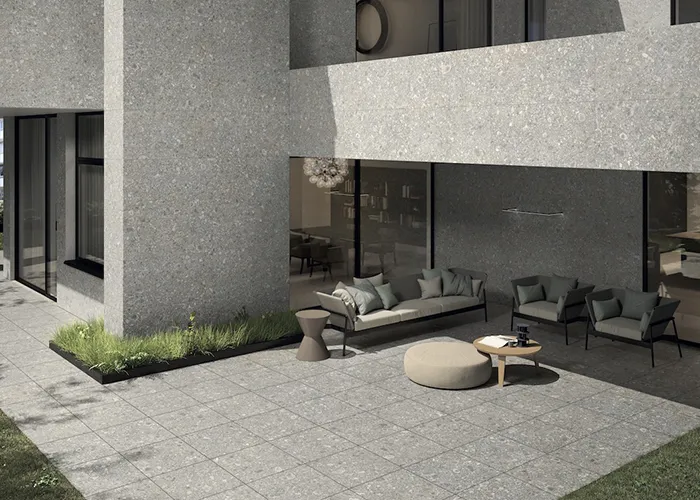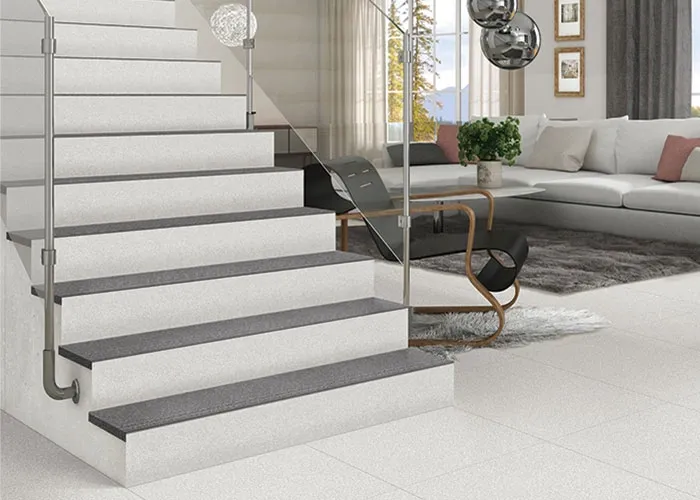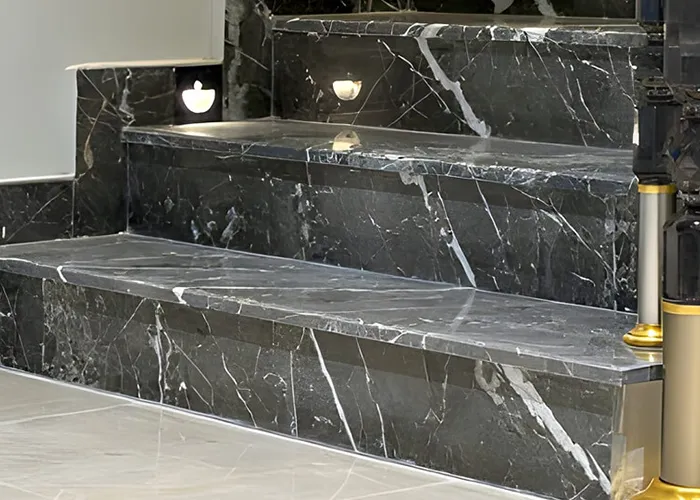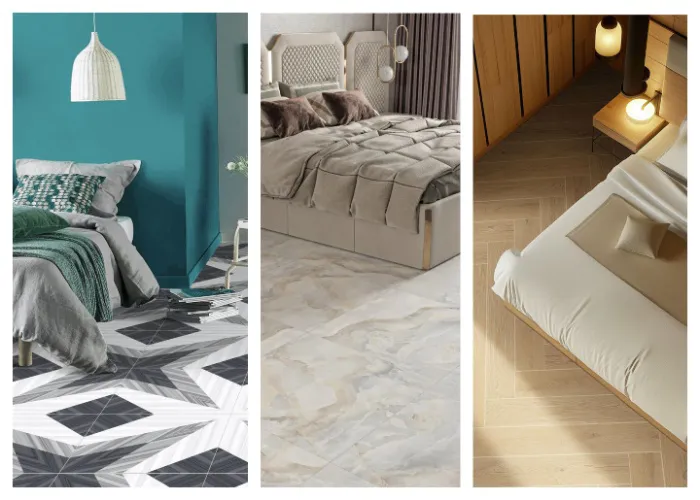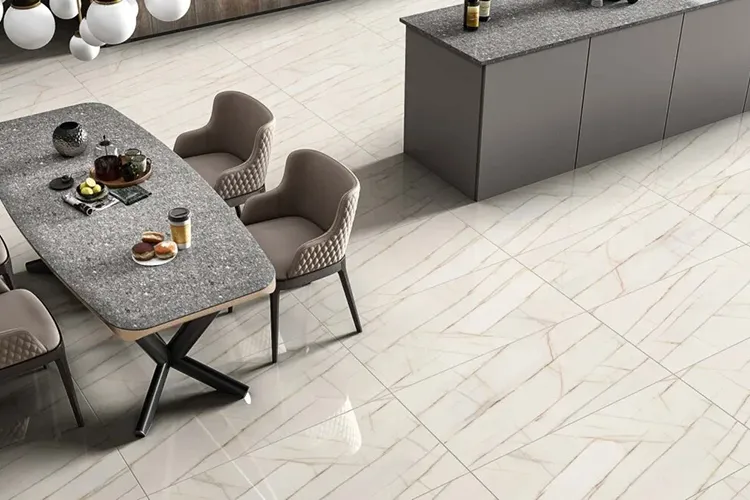
Introduction: Ceramic tile export from Iran has become one of the most prosperous sectors of Iran’s non-oil exports in today’s global market. This is primarily because many of the countries engaged in trade with Iran are developing nations, which creates a high demand for various types of construction materials.
Ceramic products from Iran are exported to countries such as Russia, Turkey, Georgia, Armenia, Pakistan, Azerbaijan, the United Arab Emirates, Oman, Kuwait, Iraq, and Turkmenistan. Additionally, some European countries have also shown interest in importing tiles and ceramics from Iran. In the following sections of this article, we will explore a comprehensive guide to exporting ceramic Tiles from Iran.
Overview of Iran’s Ceramic Tile Export Market
Among the most essential types of construction materials required for any building are tiles and ceramics. Fortunately, Iranian tiles and ceramics, known for their high quality, have been well received in international construction markets. The improvement in the quality of raw materials used in their production, along with modern designs and models based on the latest global technologies, has significantly boosted the demand and popularity of these products.
As an exporting nation, Iran has long achieved substantial profitability in the field of” Iran ceramic tile export”. This success is largely attributed to the country’s extensive production capabilities and well-established manufacturing infrastructure. These advantages have not only enabled Iran to thrive in the global export market but also allowed it to become self-sufficient in the production and domestic consumption of high-quality tiles and ceramics.
Iran’s ceramic tile export industry has flourished due to high-quality production, competitive pricing, and diverse designs, making it a significant player in global markets. With increasing demand in countries like Russia, the UAE, and Azerbaijan, Iranian ceramic tiles continue to expand their reach while adhering to international trade standards and regulations.
Top Export Destinations of Iran ceramic tile export
One of the most effective ways to determine which countries are ideal destinations for tile and ceramic exports is by analyzing export statistics. According to data provided by the Iran Trade Promotion Organization, Iran exported its tile and ceramic products to more than 20 countries worldwide over the past year, generating nearly 400 million dollars in revenue. Based on these figures, some of the countries that have brought the highest profits to Iran include the following:
- Azerbaijan
Azerbaijan, one of Iran’s northern neighbors, maintains relatively stable political relations with Iran. The geographical proximity of this country significantly reduces transportation costs when exporting products. Additionally, the lower prices of Iranian tiles and ceramics compared to Turkish and Russian products have made it easier for Iranian exporters to compete in Azerbaijan’s markets. - Europe
Although some European countries such as Italy and Spain are highly active in the tile and ceramic manufacturing industry, exporting these products to Europe has still remained one of the key sources of income for Iranian traders. According to recent statistics, Iran exported the majority of its ceramic and tile products to countries such as Germany, Italy, and Switzerland over the past year. The popularity of Iranian products in European markets is largely due to their wide variety and competitive pricing. - Armenia
Armenia, another of Iran’s neighboring countries, also serves as a strategic gateway for trade with other parts of the world. With its rapidly developing cities, there is a growing demand for various construction materials. Additionally, strong political and trade relations between Iran and Armenia, along with the competitive pricing of Iranian tiles and ceramics, have enabled Iran to gain a larger market share in Armenia compared to its main competitor, Turkey, over the past year. - Gulf Countries
Qatar stands out as one of the best destinations for ceramic tile export from Iran. Due to strained political relations between Qatar and Saudi Arabia, the market has become more accessible to Iranian traders. Moreover, the short sea route between Iran and Qatar makes the export process even more convenient. In addition to Qatar, countries such as Oman, Bahrain, and the United Arab Emirates are also considered excellent markets for these products.
- Central Asian Countries
Countries like Kazakhstan, Uzbekistan, and Kyrgyzstan in Central Asia experience unique climatic conditions that can be harsh on tiles and ceramics. As a result, product quality is of utmost importance to buyers in these regions, which has significantly increased the popularity of Iranian tiles and ceramics. However, it is important to be aware of the strict import regulations in these countries.
- Russia
When reviewing the export statistics for tiles and ceramics, it becomes clear that Russia is one of Iran’s main competitors in many markets. However, the wide variety of Iranian products, coupled with their competitive pricing, has made Iranian tiles and ceramics highly attractive to Russian buyers. This combination has contributed to Iran’s strong presence in the Russian market.
Why Choose Ceramic tile export from Iran?
Iranian tiles and ceramics are produced using high-quality raw materials and advanced machinery, ensuring they have excellent quality. As a result, about 90% of consumers choose Iranian-made tiles and ceramics when making a purchase.
- Unique Designs and Patterns
Iranian tiles and ceramics feature a wide variety of designs and colors, all offered in the highest quality and in accordance with global standards.
- Cost-Effectiveness
In general, it can be stated that Iranian tiles are, on average, 20% cheaper than foreign tiles.
- Variety in Sizes and Finishes
Iranian ceramics and tiles offer a wide variety of sizes and finishes, catering to diverse customer needs. Whether for small residential projects or large commercial spaces, their range includes different shapes, thicknesses, and surface textures. This flexibility allows for versatile applications, meeting both aesthetic preferences and functional requirements.
How to Start Importing Iranian Ceramic Tiles
Exporting ceramics and tiles, like the export of other goods from Iran, follows a series of legal procedures. The export of ceramic tiles takes place from the factory or warehouse to the destination customs office. Exporting companies must first assess the export capacity of these building materials to various countries.
For example, if you plan to export tiles and ceramics to the UAE or Oman, you must thoroughly evaluate the market potential in those countries. Without market research, the export process is essentially futile and will only lead to losses!
Once you’ve evaluated foreign markets, you can proceed with researching ceramic factories. The factory you choose must have the production capacity to manufacture high-quality tiles and ceramics. Ceramic tile export from Iran to countries with limited purchasing power is generally not recommended.
Countries that are developing and have more construction projects underway are ideal destinations for exporting ceramics from Iran. If you understand the target markets well and carry out international marketing, you can proceed with legal procedures or sign contracts with factories and trading companies to complete the process step by step.
For exporting ceramics tiles from Iran, obtaining permits from the Ministry of Industry, Mine, and Trade, as well as legal authorizations for trading, is required. Monitoring standard transportation methods ensures the shipment is loaded properly and reaches its destination safely. A key point in the export process is that the shipment must be covered by export insurance.
Common Sizes and Thickness of Ceramic Tiles in Iran
- Dimensions of Rectangular Tiles
Rectangular tiles come in a wide range of sizes, with common dimensions such as 10×20 cm, 15×30 cm, and 30×60 cm. These sizes are particularly popular for wall and floor applications, as they are easy to install in various spaces, including bathrooms, kitchens, and living rooms. Due to their elongated, narrow shape, rectangular tiles can create a sense of depth and space in a room. Additionally, they are highly adaptable to both modern and classic décor styles.
- Dimensions of Floor Tiles
The dimensions of floor tiles typically vary depending on the design and intended use. The most common sizes include 30×30 cm, 60×60 cm, and 30×60 cm. However, larger tiles, such as 120×60 cm, are also available in the market and are ideal for creating a modern, seamless look. The choice of dimensions depends on the space size, the style of decoration, and the type of installation required. Larger tiles generally require less installation time and can have a greater visual impact on the space.
- Dimensions of Bathroom Floor Tiles
The most common dimensions for bathroom and shower floor tiles are 30×30 cm and 40×40 cm, although some people opt for porcelain tiles with dimensions like 120×60 cm in these areas.
Standard Sizes for Export ceramic tiles from Iran
Here is a list of 7 standard and commonly used ceramic tile sizes exported from Iran.
- 30×30 cm (12×12 inches)
The 30×30 cm tile is one of the most traditional and versatile ceramic tile sizes, widely used for both walls and floors. Its square shape and moderate size make it easy to handle and install, especially in smaller rooms such as bathrooms, kitchens, or corridors. This size is considered standard because it offers a balance between aesthetics and practicality—large enough to cover space quickly, yet small enough to allow for detailed patterns and design flexibility. It’s also commonly used in commercial spaces due to its durability and ease of maintenance.
- 30×60 cm (12×24 inches)
The 30×60 cm tile has gained popularity in recent years due to its modern rectangular shape, which provides a contemporary look for both residential and commercial spaces. It is commonly used on both floors and walls, and the larger format creates a sense of space and continuity, especially when installed in a horizontal or staggered pattern. This size is standard for export because it allows for more seamless and less grout-heavy designs, enhancing the aesthetic of minimalist architecture.
- 60×60 cm (24×24 inches)
The 60×60 cm tile is one of the most widely exported and requested sizes in the ceramic industry. Its large square format is ideal for open spaces like living rooms, hallways, and commercial areas. It minimizes grout lines, giving a clean and spacious appearance. This tile size is also appreciated for its time-saving installation process and visual impact, making it a go-to standard for both designers and contractors worldwide.
- 80×80 cm (32×32 inches)
This larger square tile size is often used in luxury residential and commercial buildings. The 80×80 cm tile adds a high-end, seamless look to large spaces, creating a smooth and almost monolithic surface. It’s standard in premium projects because it reduces visual interruptions from grout lines and allows for bold, large-scale designs and finishes like marble or stone-look ceramics. Its size also makes it ideal for modern, minimalist interiors.
- 60×120 cm (24×48 inches)
This is one of the most in-demand large-format tile sizes in the export market. The 60×120 cm tile is preferred for upscale projects, offering a dramatic and elegant look. It’s perfect for open-plan spaces, hotel lobbies, or even feature walls. The elongated rectangular shape gives a dynamic feel and works beautifully with linear or staggered layouts. This size has become a standard due to its ability to replicate natural stone slabs and provide a luxurious effect with fewer joints.
- 15×60 cm (6×24 inches)
This plank-style tile mimics the appearance of wood flooring, making it popular for rustic, Scandinavian, and modern designs. It is commonly used in living rooms, bedrooms, and even outdoor patios. Its long, narrow shape makes it ideal for creating herringbone or chevron patterns. This size is standard for wood-look tiles because it balances realism with functionality—easy to install, visually appealing, and structurally stable.
- 20×20 cm (8×8 inches)
The 20×20 cm tile is often used for decorative or vintage-style applications, especially in bathrooms, kitchen backsplashes, or accent walls. It’s also a popular size for patterned and encaustic-look tiles, which are trending in boutique commercial spaces and cafes. Its standardization is due to its ability to incorporate detailed designs and its versatility in both modern and traditional aesthetics. It is also ideal for small or irregular spaces where larger tiles might not fit well.
Thickness Variations for Different Uses
Here is a detailed explanation of 5 common thickness variations used in ceramic tiles, particularly for ceramic tile export from Iran.
- 6–7 mm Thickness
Tiles with a 6–7 mm thickness are typically used for wall installations where heavy-duty strength isn’t required. This thinner format is lightweight and easier to install, especially on vertical surfaces like bathroom and kitchen walls. It also reduces shipping costs, which is crucial in the highly competitive market of ceramic tile export from Iran. This thickness is ideal when speed and ease of application are prioritized without sacrificing aesthetic quality.
- 8–9 mm Thickness
The 8–9 mm range is considered the standard thickness for general-purpose ceramic tiles. It is widely used for both residential floors and walls due to its durability and versatility. This thickness offers a strong surface that can handle foot traffic while remaining cost-effective and easy to cut or handle. In the context of ceramic tile export from Iran, this is the most frequently ordered specification because it strikes the perfect balance between strength, weight, and price.
- 10–11 mm Thickness
Tiles with a thickness of 10–11 mm are typically used in commercial or high-traffic areas, such as shopping centers, schools, or office buildings. These tiles offer enhanced durability and are better at resisting heavy loads and wear. This thickness is often requested in ceramic tile export from Iran for projects where longevity and performance are key concerns. The slightly higher weight is a tradeoff for increased impact resistance and structural reliability.
- 12 mm Thickness
The 12 mm tile is typically used in industrial spaces or large public areas that demand maximum durability, such as airports or hospitals. It provides superior resistance to cracking, chipping, and moisture, making it a premium choice for harsh environments. Although heavier and more expensive to ship, it’s still included in high-end orders of ceramic tile export from Iran due to its high performance and long-term value.
- 4–5 mm Thickness (Slim Tiles)
Slim or ultra-thin tiles in the 4–5 mm range are increasingly popular for renovation projects, where they can be installed directly over existing surfaces. Their light weight and flexibility make them ideal for quick upgrades without the need for demolition. While less common, they are gaining traction in modern architecture and are now included in select product lines for ceramic tile export from Iran, especially in markets that emphasize eco-friendly and time-saving construction solutions.
Quality Standards of Ceramic Tiles for Export from Iran
Ceramic tile production in Iran has witnessed significant growth over the past decades, positioning the country as one of the key exporters in the Middle East and Asia. To remain competitive in international markets, Iranian manufacturers must comply with stringent quality standards that align with global expectations. These standards not only guarantee product quality but also ensure safety, durability, and aesthetic value for end-users across different regions.
To be accepted in international markets, Iranian ceramic tiles must pass various tests and certifications that prove their conformity to global norms. These include mechanical strength, resistance to chemicals, water absorption levels, and environmental safety. Adherence to these benchmarks is crucial for accessing markets in Europe, North America, and other quality-sensitive regions. Continuous investment in research, modern production lines, and quality control systems has allowed Iranian tile manufacturers to meet these standards effectively.
Certifications and International Standards
To successfully export ceramic tiles, Iranian manufacturers must obtain relevant international certifications that reflect compliance with accepted norms and protocols. Among the most recognized are ISO certifications, CE marking for the European market, and ASTM standards in North America. These certifications assess a wide range of quality metrics, including tile strength, consistency, chemical resistance, and sustainability in production processes.
Acquiring such certifications enhances credibility and trust among international buyers. Moreover, these standards assure customers that the products are environmentally friendly, free from harmful substances like lead or heavy metals, and are produced under ethical labor conditions. Exporters who align with these benchmarks gain access to premium markets and often secure long-term contracts with global distributors and retailers.
Key Points:
- Obtaining certifications such as ISO 13006, CE marking, and ASTM C373 is essential for global market access.
- Compliance with environmental standards and the use of non-toxic raw materials is mandatory.
- Certifications increase international customer trust and create a competitive advantage for exporters.
Durability and Water Resistance Tests
Durability and water resistance are two of the most critical quality factors for ceramic tiles, especially when used in bathrooms, kitchens, or outdoor settings. Iranian tile manufacturers subject their products to rigorous tests to evaluate mechanical strength (such as bending and impact resistance) and surface durability (like abrasion and scratch resistance). These tests ensure that the tiles can withstand wear and tear under both residential and commercial usage.
Water absorption is another key factor. Depending on the type of tile—glazed, unglazed, porcelain—standards require specific absorption rates. For instance, porcelain tiles must absorb less than 0.5% water to be classified as frost-resistant and suitable for cold climates. Iranian tiles undergo standardized water resistance tests to confirm compliance, enabling them to be exported to regions with diverse environmental conditions.
Key Points:
- Water absorption testing is crucial for determining moisture resistance (e.g., <0.5% for porcelain tiles).
- Mechanical durability and abrasion resistance tests ensure long-term performance in heavy-use areas.
- Meeting these criteria enables Iranian tiles to be suitable for humid, wet, or cold environments.
Export Regulations for Ceramics and Tiles from Iran
The export regulations for ceramics and tiles from Iran are crucial for ensuring product quality, maintaining international trade standards, and boosting economic growth. Adhering to these regulations helps preserve Iran’s reputation as a reliable exporter while facilitating smooth trade relations with other countries.
Complying with export regulations guarantees that products meet market demand and regulatory requirements in the destination countries. Below are the key regulations for exporting ceramic tiles:
- The exporter must adhere to Iran’s export regulations, including obtaining necessary export permits and licenses from relevant authorities such as the Ministry of Industry, Mine, and Trade.
- Exporters of ceramics and tiles must comply with both domestic and international quality standards. This may include certifications from the Iranian Standard Organization and meeting the requirements of the destination country.
- Exported ceramics must be appropriately packaged to prevent damage during transportation. Additionally, the packaging must comply with both Iranian and destination country regulations to ensure safe and legal transport.
- Exporters must prepare and submit all required export documents, including commercial invoices, certificates of standard, business cards, packing lists, certificates of origin, and any other specific documents required.
- The export process requires passing through Iran’s customs. Exporters must ensure that all customs declarations are accurately completed and that any applicable duties or taxes are paid.
- Some ceramics may be subject to export restrictions or bans. Exporters should verify that there are no specific restrictions or bans on exporting their products to the intended neighboring countries.
- Exporters must be aware of any trade agreements or treaties between Iran and neighboring countries that may affect tariffs, duties, or other trade conditions.
- Exporters should calculate and be aware of any tariffs or duties imposed by the destination country. Understanding these costs is crucial for pricing and financial planning.
- Ceramics must comply with the destination country’s import regulations, including specific requirements for product labeling, safety standards, or environmental regulations.
- The exporter must conduct market research to understand the demand, competition, and consumer preferences in foreign countries in order to provide a clear outlook for domestic manufacturers.
Export Process of Ceramic Tiles from Iran
The export process of ceramics and tiles includes several critical stages to ensure compliance with regulations and successful delivery to international markets. The following outlines the key steps involved in the export process of ceramics and tiles:
This process begins with understanding the legal and regulatory requirements for exporting to foreign countries. It includes obtaining necessary export permits, determining the order quantity, issuing pro forma invoices, adhering to quality and safety standards, and preparing the required documentation.
Exporters must follow specific packaging guidelines to protect the tiles during transportation and ensure they meet both domestic and international regulations.
Once the initial steps are completed, the transportation process for ceramics and tiles begins. This stage includes selecting a reliable mode of transport, coordinating with the transportation providers, and managing customs procedures for clearance.
The exporter must ensure that all tariffs and duties are paid, and that the customs declarations are accurately completed. Throughout the export process, maintaining clear communication with all involved parties—including suppliers, shippers, and customs officials—is essential to resolve any issues and ensure timely delivery.
Challenges in Ceramic tile export from Iran
Ceramic tile export from Iran to international markets can present numerous challenges. Exporters often face issues related to compliance with both Iranian and international regulations, which may include obtaining necessary permits, adhering to quality and safety standards, and preparing accurate documentation.
Customs procedures can be cumbersome, and due to bureaucratic processes or paperwork discrepancies, delays are often a risk. Geopolitical factors and trade restrictions, such as sanctions, can also affect access to markets and export opportunities. These obstacles require careful planning and strong management strategies to ensure successful exports with minimal issues and maximum efficiency.