Ceramic vs porcelain tiles is a topic that often causes confusion among homeowners and designers alike. Although both belong to the same family of materials and share many similarities, understanding their distinct differences is crucial for making the best flooring choice. From water absorption rates and durability to appearance and cost, each tile type offers unique advantages and drawbacks. Whether you’re planning a new build or a renovation, knowing when and where to use ceramic or porcelain tiles can save you money and enhance the longevity and beauty of your space. This comprehensive guide will walk you through everything you need to know about these two popular tile options to help you make an informed and confident decision.
Suggested Article: How To Distinguish Porcelain Tiles From Ceramic Tiles?
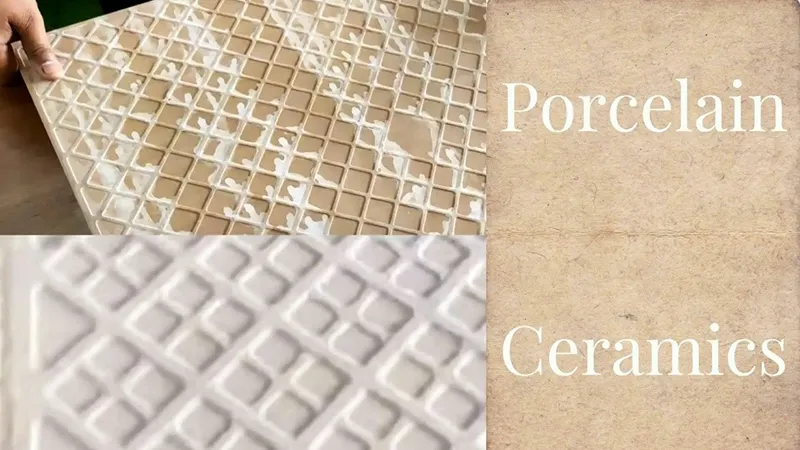
Differences between ceramic tile and porcelain tile
Ceramic vs porcelain tiles
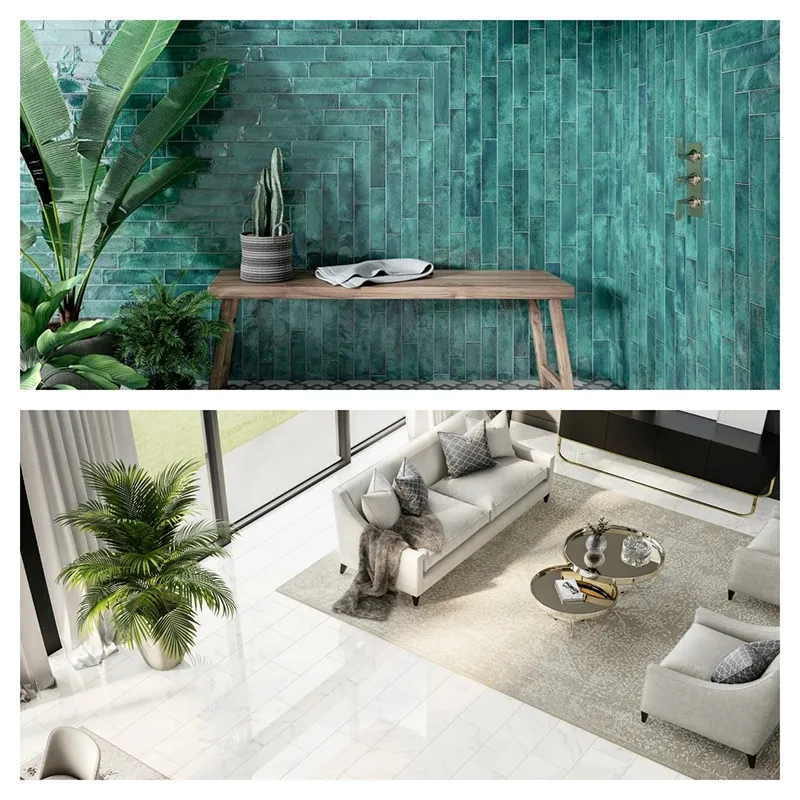
Ceramic vs porcelain tiles
The main distinction between ceramic tile vs porcelain tile lies in their production. Both are made from clay that is shaped and fired in a kiln, but porcelain is crafted from more refined clay and fired at significantly higher temperatures. This results in a tile that is denser, harder, and more durable than its ceramic counterpart. These qualities also explain why porcelain tile vs ceramic often comes at a higher price point—porcelain is generally seen as a premium choice for flooring and wall applications.
If you’re aiming for the most resilient and long-lasting tile option for your home, porcelain is often the go-to solution. Its superior density and durability make it particularly suitable for high-traffic areas, commercial projects, and spaces exposed to moisture or temperature fluctuations.
ceramic vs porcelain tiles – Not Twins, But Close Relatives
While ceramic and porcelain tiles belong to the same family, they’re more like cousins than identical twins. Many people use the terms interchangeably, but there are important differences that can make one type more suitable for your specific project. Depending on how you plan to use your space, ceramic vs porcelain tiles can offer different benefits and drawbacks.
The most significant difference between porcelain and ceramic is their water absorption rate. Porcelain absorbs less than 0.5% of water, whereas ceramic and other non-porcelain tiles absorb much more. This distinction comes from the manufacturing process—porcelain is made from denser, less porous clay, which directly impacts where and how each type performs best.
Suggested Article: Stone vs Ceramic Tiles
Advantages of Porcelain Tiles

Advantages of Porcelain Tiles
Porcelain tiles have several qualities that make them stand out from standard ceramic options. These benefits can be grouped into five main points:
- High Resistance to Liquid Penetration
- Exceptional Stain Resistance
- Durability
- Long Lifespan
- Low Maintenance Needs
Let’s look at each of these in detail.
Suggested Article: Exporting Porcelain Tiles from Iran
-
Resistance to Liquid Penetration
Thanks to their dense composition, porcelain tiles are extremely resistant to moisture. This makes them ideal for bathrooms, basements, kitchens, and any other high-moisture environment. If you need flooring that holds up well in wet conditions, ceramic vs porcelain tiles often emerges as the clear winner. Current tile trends show porcelain being used more frequently in damp areas because of its unmatched performance in such settings.
Suggested Article: Ceramic tile export from Iran
-
Exceptional Stain Resistance
The same properties that make porcelain resistant to water also protect it from stains. On more porous materials, spills can seep deep into the surface, making stains hard to remove—just like raw, unfinished wood easily absorbs liquids. Porcelain’s dense structure prevents this, meaning coffee, juice, and other spills can be wiped away before they cause any discoloration. This is why difference between ceramic and porcelain tile becomes important when choosing tiles for kitchens or pet-friendly homes.
-
Durability
The precise manufacturing process of porcelain tiles enhances their strength, making them less likely to crack or chip compared to standard ceramic. For high-traffic areas or commercial spaces, ceramic vs porcelain tiles comparisons often favor porcelain because it withstands heavy use, furniture weight, and impact far better.
-
Long Lifespan
Few flooring options can match the longevity of porcelain. Because it is so hard to break, it also resists scratching and chipping over time. If you’re looking for a long-term investment, porcelain tiles are among the most reliable choices in today’s tile market.
Suggested Article: Exporting Porcelain floor tiles from Iran
-
Low Maintenance
Maintaining porcelain tiles is simple—regular cleaning and occasional grout care are enough to keep them looking new for years. Even if a tile gets chipped, its through-body color means the damage is far less visible. This ease of upkeep is a big part of why many homeowners choose porcelain over standard ceramic.
Suggested Article: Exporting tiles to Europe from Iran
Disadvantages of Porcelain Tiles
Disadvantages of Porcelain Tiles
While porcelain offers many advantages in the ceramic vs porcelain tiles comparison, it’s not without its downsides. These can be grouped into three main points:
- Installation Cost
- Weight
- Grout Maintenance
-
Installation Cost
Because porcelain tiles are extremely hard and dense, cutting and shaping them is more challenging than with softer ceramic tiles. This makes installation more time-consuming and labor-intensive, which is why many contractors are less enthusiastic about working with porcelain. If you choose porcelain in the ceramic vs porcelain tiles debate, expect higher labor costs in addition to the higher purchase price. Among various tile flooring options, porcelain is one of the most expensive to both buy and install.
Suggested Article: Exporting tiles from Iran to GCC countries
-
Weight
One of porcelain’s biggest strengths—its density and strength—can also be a disadvantage if weight is a concern. Porcelain tiles are heavier than standard ceramic tiles and much heavier than alternative flooring like wood or vinyl. If your floor structure doesn’t have strong support beams, installing heavy porcelain tiles could be risky. Before committing to porcelain in your ceramic vs porcelain tiles decision, make sure your subfloor can handle the load; otherwise, consider a lighter flooring option.
-
Grout Maintenance
Even though porcelain tiles themselves are low-maintenance, the grout between them still requires care. Grout is essential for a watertight installation, but it can stain, crack, or collect dirt over time. Proper upkeep means regularly cleaning the grout, occasionally adding more where needed, and sealing it every few years to prevent moisture penetration. If you prefer a flooring option that requires minimal ongoing care, this is an important factor to weigh when deciding between ceramic vs porcelain tiles.
Suggested Article: Exporting porcelain wall tiles from Iran
Advantages of Ceramic Tiles
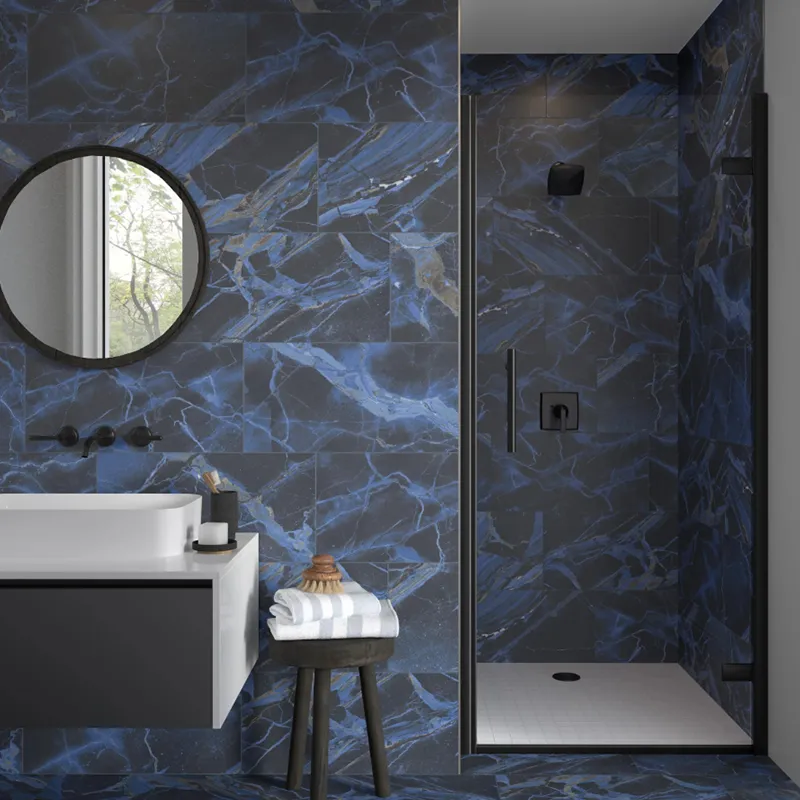
Advantages of Ceramic Tiles
Now it’s time to look at the benefits of standard ceramic tiles in the ceramic vs porcelain tiles comparison. Here, “ceramic” refers to all non-porcelain ceramic tiles, which come in a wide variety of styles. These advantages can be grouped into five main points:
- Unglazed Ceramic Option
- Water Resistance
- Design Variety
- Allergy-Friendly
- Cost
-
Unglazed Ceramic Option
For certain applications, unglazed ceramic tiles can be an excellent choice. They offer a more natural look and don’t require a glaze to function properly, unlike some other tile types. Unglazed ceramics are affordable and durable, though they are generally less water-resistant than glazed varieties.
-
Water Resistance
If you need flooring for a damp environment such as a bathroom or basement, ceramic tiles are a great option. They’re highly water-resistant, and any spills or excess water can be wiped away before seeping into the subfloor. As long as they’re properly installed with quality grout, ceramics can work well in most wet areas—even in rooms with a hot tub or pool.
Suggested Article: Exporting Glazed Ceramic Tiles from Iran
-
Design Variety
Because colors are added during manufacturing, ceramic tiles are among the most versatile tile flooring options. They are available in virtually any color and can also come in intricate patterns if you want something unique. You can mix colors and sizes to create custom layouts, giving you creative control that other flooring types simply can’t match. In the ceramic vs porcelain tiles discussion, ceramics clearly win for design flexibility.
-
Allergy-Friendly
For people with severe allergies, flooring that traps hair, dust, and allergens—like carpet or even some wood floors—can be a problem. Ceramic tiles are an excellent alternative because they’re easy to clean and don’t harbor allergens over time. Simply removing carpets and installing ceramic flooring can significantly reduce allergy symptoms in your home.
-
Cost
If budget is a major factor in your flooring decision, ceramics are hard to beat. They are generally far more affordable than porcelain, both in material and installation costs. This allows you to allocate more of your renovation budget to other upgrades. However, keep in mind that while ceramics save you money upfront in the ceramic vs porcelain tiles choice, they may require more maintenance and occasional repairs over the years compared to more durable options like porcelain.
Suggested Article: Best floor tiles from Iran
Disadvantages of Ceramic Tiles

Disadvantages of Ceramic Tiles
Although ceramic tiles offer many benefits in the ceramic vs porcelain tiles comparison, they also come with some drawbacks that you should consider before making your purchase. These mainly include:
- Difficult Cleaning
- Weight
-
Difficult Cleaning
While ceramic tiles themselves are easy to clean, the grout between tiles often gets overlooked. Keeping grout clean can be challenging—it requires regular cleaning, sealing, and occasional resealing to maintain a fresh appearance. This grout maintenance is a genuine concern when choosing tile or ceramic flooring.
-
Weight
Ceramic flooring can be quite heavy, which might be a problem for lighter floor structures. Make sure your subfloor is strong enough to support the additional weight of ceramic tiles. Both ceramic and porcelain tiles are excellent flooring options, but you should weigh their pros and cons carefully in the ceramic vs porcelain tiles decision to select what’s best for your needs.
Suggested Article: Exporting tiles to African markets from Iran
Where to Use Ceramic and Porcelain Tiles?

Where to Use Ceramic and Porcelain Tiles?
Ceramic tiles have become a popular choice for designers and homeowners alike due to their water and stain resistance, as well as their compatibility with underfloor heating. Their rich color depth and visual impact can’t be matched by wallpaper or paint. However, given the structural differences between ceramic and porcelain, it’s important to understand which tile is better suited—and more cost-effective—for different areas of your home.
-
Bathroom and Shower Areas

Which one is better for the bathroom: ceramic or porcelain?
Porcelain tiles are almost waterproof, making porcelain tiles the top choice for bathrooms and wet areas. Standard ceramic tiles also work well in typical bathroom settings, especially given the wide range of available designs, including some with anti-slip properties.
Suggested Article: Export floor tiles from Iran
-
Budget Constraints
If you have a limited budget, ceramic tiles are probably your best bet. They are more affordable, and choosing less expensive ceramic tiles doesn’t mean sacrificing style. Ceramic tiles come in countless patterns and styles to suit any aesthetic.
-
High-Traffic Zones
Thanks to their durability, porcelain tiles are ideal for busy areas such as hallways, kitchens, or commercial spaces where scratches and heavy wear are common. However, compared to other flooring types like laminate or carpet, ceramic tiles remain a strong and resilient option.
-
DIY Projects
If you enjoy taking on renovation tasks yourself, ceramic tiles are generally easier to work with. They are simpler to cut and install, especially in spaces requiring many precise cuts. Porcelain tiles, on the other hand, are tougher to cut and often require professional-grade tools and expertise to achieve a polished look.
Suggested Article: Exporting bathroom tiles from Iran
-
Patio and Outdoor Spaces

Which one is better for Patio and Outdoor Spaces: ceramic or porcelain?
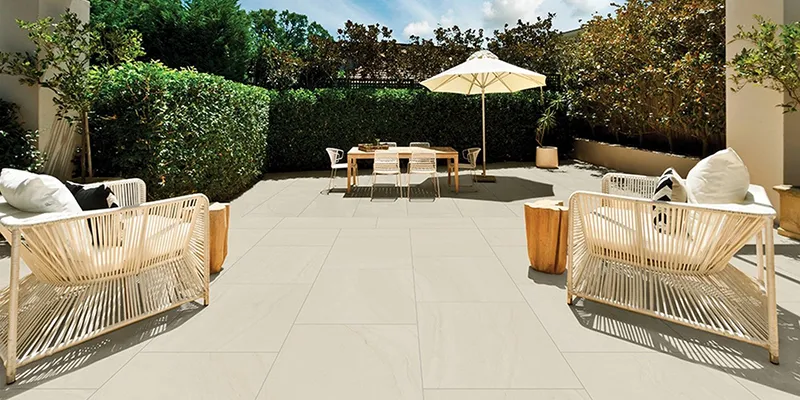
Porcelain’s water resistance means it performs exceptionally well against rain, frost, and other natural elements. Ordinary ceramic tiles may crack in cold weather, often leading to premature replacement. Porcelain tiles offer peace of mind in outdoor applications due to their enhanced durability.
Suggested Article: Exporting slab tiles from Iran
Comparing Ceramic and Porcelain Tiles
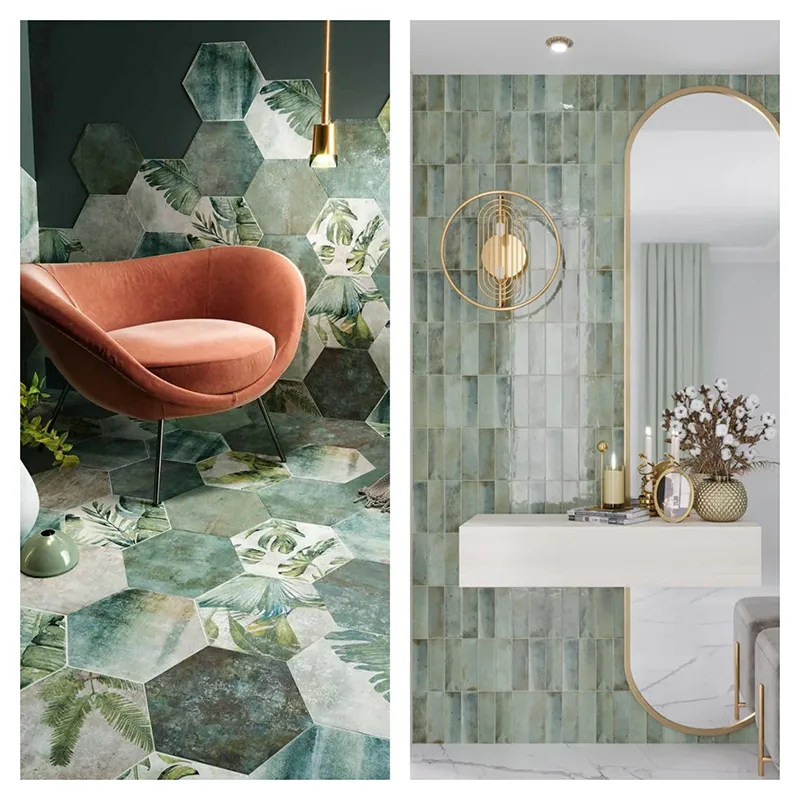
Comparing Ceramic and Porcelain Tiles
Is this really a battle between two completely different materials, or just a matter of terminology? For many consumers, the terms porcelain and ceramic are often used interchangeably, as if they are the same thing. This confusion is understandable since ceramic and porcelain tiles are used for very similar applications, installed in nearly the same way, and share many comparable advantages and disadvantages. However, they are not identical, and it’s crucial to recognize their differences when making a selection.
-
Visual Differences Between Ceramic and Porcelain

Visual Differences Between Ceramic and Porcelain
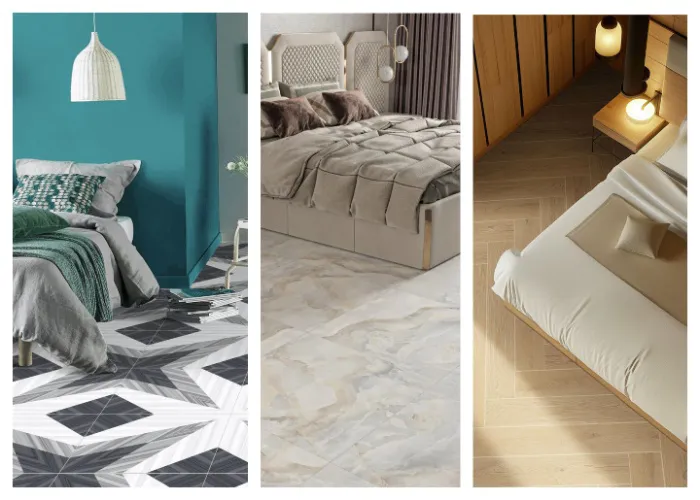
Another key factor distinguishing these tiles is their appearance. With today’s technology and ever-evolving design trends, both ceramic and porcelain tiles can come in virtually any color or pattern imaginable. So, what really sets them apart?
- Porcelain tiles feature color and pattern that run throughout the entire body of the tile. This means that if a porcelain tile gets chipped or scratched, the damage is less noticeable since the interior color matches the surface.
- Ceramic tile designs and colors are printed on the surface and protected by a glaze. If ceramic tiles chip or break, the exposed body underneath usually has a different color, making the damage more obvious.
Ceramic and Porcelain Tiles: Surface Appearance and Manufacturing Differences
Suggested Article: Export ceramic wall tiles from Iran
2. Ceramic and Porcelain Tiles: Surface Appearance and Manufacturing Differences
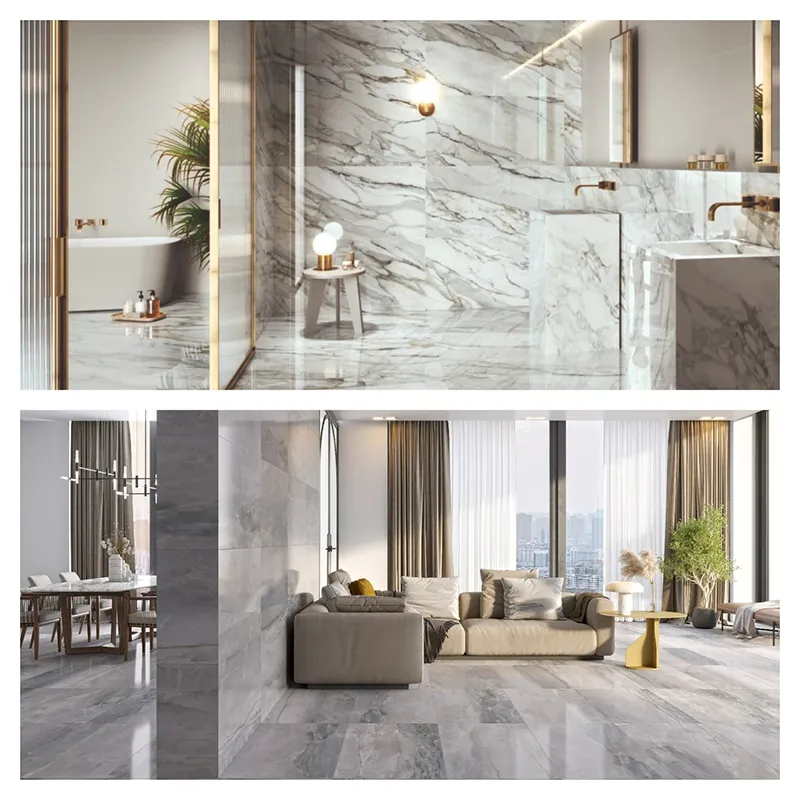
Ceramic and Porcelain Tiles: Surface Appearance and Manufacturing Differences
At first glance, both ceramic and porcelain tiles often come with a glazed surface coating, making them difficult to distinguish visually. Let’s dive deeper into the distinct characteristics of each.
- Porcelain Tiles
One of the recent innovations in porcelain tile manufacturing is the ability to mimic the look of various natural materials. While ceramic tiles typically have fixed colors and patterns, porcelain tiles excel at replicating natural stone, such as marble, or even wood textures. This makes porcelain a fantastic option if you want the aesthetic of wood flooring without worrying about water damage.
- Ceramic Tiles
Most ceramic tiles that are not classified as porcelain come in solid colors and generally do not imitate natural wood grains or stone patterns as convincingly as porcelain.
3. Structural and Manufacturing Differences
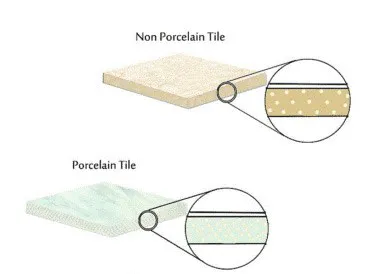
Structural and Manufacturing Differences between Ceramic and Porcelain
- How is Ceramic Made?
Ceramic tiles are crafted using natural clays—red, brown, or white. The clay is fired at high temperatures to reduce moisture content, then glazed and patterned. Ceramic tiles are defined by using coarser clay with less kaolin content and typically lack some additives found in porcelain clay. They are fired at lower temperatures, usually not exceeding 1650°F. Ceramic tiles tend to absorb slightly more water than porcelain, although glazed ceramics minimize this difference.
- How is Porcelain Made?
Porcelain tiles are made from a very refined clay mixture, often including finely ground sand and feldspar. Fired at much higher temperatures than ceramic—between 2200°F and 2500°F—this process increases porcelain’s density and strength. Porcelain’s water absorption rate is 0.5% or less, as tested by American standards, involving soaking the tile in water for 24 hours and measuring the weight change. This low porosity is achieved through the use of purer kaolin clay combined with quartz and feldspar.
From a consumer perspective, porcelain tiles are dense, fine-grained, and smooth, making them far less permeable to water than typical ceramic tiles. Porcelain almost always features a glazed surface—a liquid glass coating—whereas some ceramic and non-porcelain tiles may remain unglazed. In general, porcelain is significantly more waterproof than ceramic tiles.
4. Cost Comparison Between Ceramic and Porcelain Tiles
Ceramic tiles are generally more budget-friendly compared to porcelain. The price difference mainly stems from their density variation. Porcelain tiles are denser and therefore pricier than ceramic tiles. On average, ceramic tiles cost about 60 to 70 percent of what porcelain tiles do. Manufacturing porcelain is more expensive, which reflects in higher retail prices.
5. Water and Heat Resistance Differences
Both ceramic and porcelain tiles have good heat resistance and are sometimes used for countertops.
- Porcelain
Porcelain is denser, heavier, and more water-resistant, making it a superior choice for outdoor areas—though outdoor use is recommended only in mild climates. Porcelain tiles’ excellent heat resistance also makes them suitable for tabletop surfaces.
- Ceramic
Ceramic tiles are somewhat more prone to moisture absorption, but this difference becomes minimal if the ceramic is glazed. Unglazed edges or backs of ceramic tiles do not resist water well. However, ceramic floors set in thin-set mortar typically do not come into contact with water, and grout-filled edges prevent water penetration. Ceramic also has good heat resistance, making it a viable option for countertops.
Best for Water and Heat Resistance: Porcelain, thanks to its superior water impermeability, is generally recommended for outdoor spaces in temperate climates. Ceramic is usually not advised for outdoor use in harsh environments.
6. Cleaning and Maintenance Differences
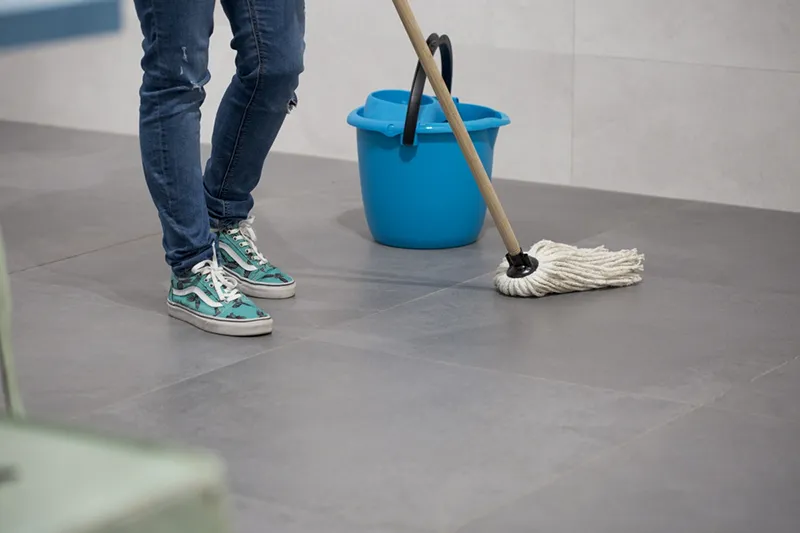
Cleaning and Maintenance Differences between ceramic and porcelain tiles
- Porcelain
Porcelain tiles are easily cleaned with a damp cloth and mild soapy water. Cement grout filling the gaps between porcelain tiles should be periodically sealed to prevent stains and mold growth.
- Ceramic
Ceramic tiles require similar maintenance: regular wet cleaning and grout sealing.
Best for Cleaning and Maintenance: It’s a tie — both porcelain and ceramic tiles have comparable cleaning and upkeep requirements.
7. Durability and Maintenance
- Porcelain
Porcelain’s denser clay body makes it less porous and more resistant to moisture than ceramic. This also makes porcelain harder and better suited for heavy-use areas. If a porcelain tile chips, the consistent color throughout the tile body keeps damage less noticeable. Porcelain is relatively low-maintenance, needing only occasional grout sealing.
- Ceramic
Chipping a ceramic tile usually reveals a different colored body beneath the glaze, making scratches more visible. Ceramic clay is less dense than porcelain’s, so ceramic tiles are somewhat more vulnerable to cracking and breaking. Unglazed ceramic tiles might also require sealers applied over the entire tile, not just the grout lines.
Best for Durability and Maintenance: Porcelain leads as a tougher, more color-consistent material with greater durability and less visible wear. Its higher density means less porosity, making it suitable for high-traffic and moist areas. Ceramic isn’t far behind; its lower density makes it easier to handle and install, appealing for DIY renovation projects.
8. Installation Differences Between Ceramic vs Porcelain Tiles
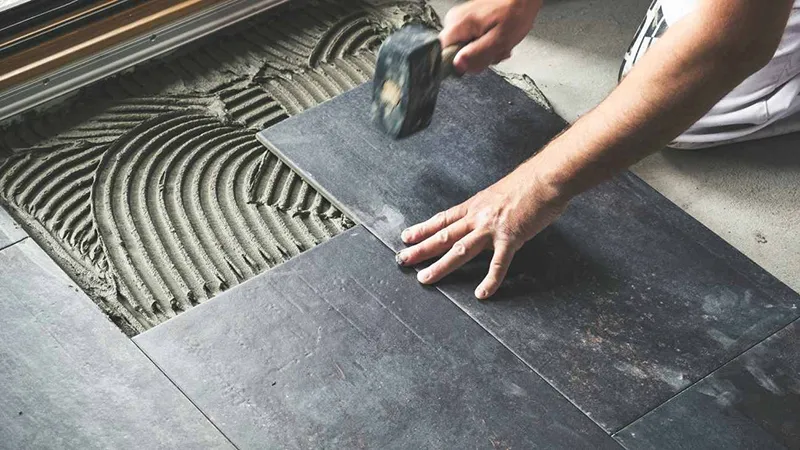
Installation Differences Between Ceramic vs Porcelain Tiles
Both ceramic and porcelain tiles are installed using similar methods. Thin-set mortar adhesive is applied to bond the tiles firmly to the substrate. Once the tiles are set and stable, the gaps between them are filled with grout, which is sealed after drying to resist moisture. However, slight differences arise during handling and installation due to their varying densities.
- Porcelain
Porcelain tiles tend to be a bit more brittle and often require the skilled hands of a professional tile installer for proper cutting. A wet saw is the recommended tool for cutting porcelain, while less expensive saws typically work well with ceramic tiles.
- Ceramic
Ceramic tiles, being less dense and somewhat softer than porcelain, are more user-friendly for homeowners doing their own tile installation. They can be cut manually or with more common saw types available on the market.
Best for Installation: CeramicAlthough installation techniques are quite similar, working with ceramic tiles is generally easier because the material is softer and simpler to cut. For DIY homeowners, ceramic tiles offer a more manageable option.
(Recommended reading: Comprehensive guide on installing large format ceramic and porcelain tiles.)
9. Lifespan Comparison
Both ceramic and porcelain tiles are highly durable building materials when properly maintained. Homeowners generally do not notice a significant difference in lifespan between the two.
- Porcelain
Porcelain is a harder material that wears down less than ceramic but its hardness can make it more prone to cracking if the building structure shifts.
- Ceramic
Estimates suggest that ceramic tiles, with well-maintained and regularly sealed grout, can last between 75 to 100 years. Being softer, ceramic is theoretically less likely to crack from structural movement compared to porcelain.
Best for Longevity: IndeterminateBoth materials can provide a lifetime of service if properly cared for.
10. PEI Rating Differences and Importance
The PEI (Porcelain Enamel Institute) rating system offers a quick and simple way to choose the appropriate tile based on hardness and durability for specific locations. Tiles are rated on a scale from 0 to 5, indicating their suitability for different levels of foot traffic:
- PEI 0 – No foot traffic (wall tiles)
- PEI 1 – Very light traffic (e.g., bathrooms)
- PEI 2 – Light traffic (bathrooms, bedrooms)
- PEI 3 – Light to moderate traffic (most residential buildings)
- PEI 4 – Moderate to heavy traffic (residential and some commercial areas)
- PEI 5 – Heavy traffic (all residential and heavy commercial use)
Most ceramic floor tiles fall within the PEI 3 to 4 range, while porcelain tiles generally rate between PEI 3 to 5.
Conclusion
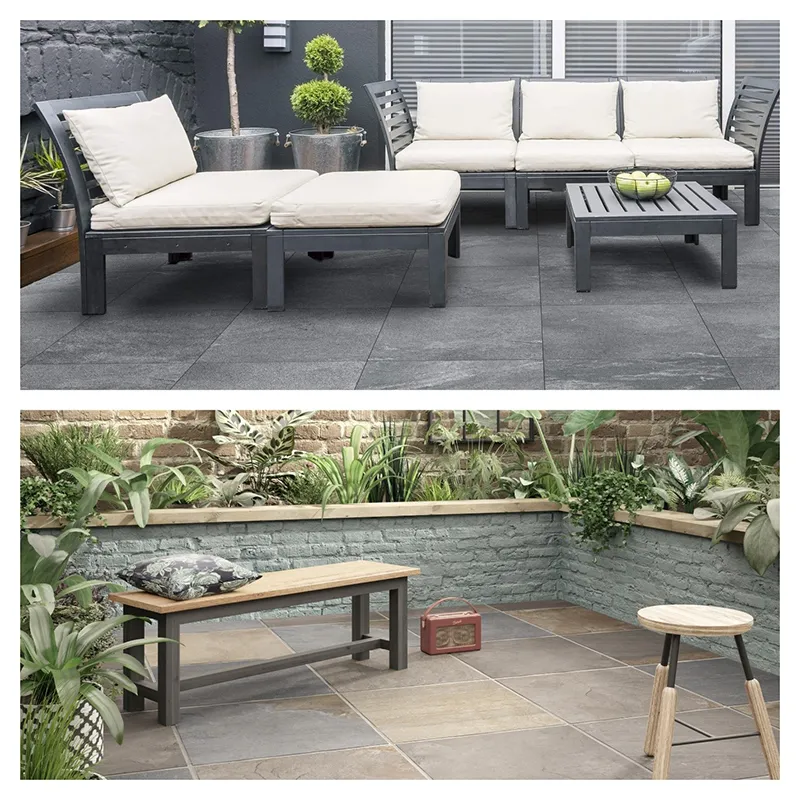
Ceramic and porcelain tile comparison guide
Choosing between ceramic and porcelain tiles ultimately depends on your specific project needs, budget, and aesthetic preferences. Porcelain tiles, known for their density, water resistance, and durability, are ideal for high-traffic and moisture-prone areas, albeit at a higher cost and installation complexity. Ceramic tiles, on the other hand, offer a more budget-friendly, versatile option with easier installation and a wide range of designs suitable for many indoor applications. Both materials can provide lasting beauty and functionality when selected and maintained properly. By understanding the key differences and strengths of ceramic vs porcelain tiles, you can ensure your flooring investment is both practical and visually stunning for years to come.