Introduction: Exporting tiles to African markets, although seemingly more challenging than shipping to neighboring nations, exporting tiles to African markets represents a valuable and highly profitable opportunity for tile industry professionals. Contrary to common assumptions, African markets have a strong demand for high-quality construction materials, especially porcelain and ceramic tiles. With rapid population growth, widespread infrastructure development, and extensive construction projects across many African nations, the demand for these products has significantly increased.
In recent years, many experienced exporters have identified Africa as one of the most stable and promising destinations for tile exports. If you intend to enter this market for the first time, we recommend carefully reviewing the essential tips and insights outlined in this section.
Below, we offer practical and important guidelines regarding exporting tiles to African markets. Becoming familiar with these key points will help you avoid common mistakes and carry out your export operations with greater confidence and strategic planning.
Exporting tiles to African markets can open up new growth horizons for businesses ready to meet the region’s evolving demands.
The Growing Demand for Tiles in Africa
In recent years, the export of ceramic and porcelain tiles to African countries has witnessed significant growth. This upward trend stems from a strong market demand in Africa for high-quality construction materials, combined with the ability of domestic manufacturers to supply competitive products. By relying on thorough market research, understanding the cultural and economic characteristics of each target country, and identifying effective distribution channels, exporters can expand this trade route and capture a larger share of the African market.
In many African nations (especially those actively developing their infrastructure) demand for both wall and floor tiles is on the rise. This growing need presents new opportunities for exporters to establish a solid market presence through strategic planning and partnerships with reliable business allies.
Undoubtedly, exporting tiles to African markets not only brings high profitability for exporters but also contributes positively to the broader economic growth of the exporting country. Expanding export markets means an increase in foreign currency inflow, a boost in domestic production, and enhanced employment opportunities.
To remain competitive and sustainable, businesses should consistently adapt to market changes and invest in long-term relationships, particularly when exporting tiles to African markets.
-
Economic Growth and Urbanization
According to analytical reports published in recent years, the African continent is undergoing one of the fastest urbanization trends in the world. Projections indicate that this widespread wave of urban growth will continue through 2035, bringing major changes to the demographic, economic, and infrastructural landscape across the region.
Based on statistical data, Africa’s urban population (estimated at around 650 million in 2023) is expected to exceed one billion by 2035, growing at a compound annual rate of approximately 3.5%. This means that in less than a decade, over half of the continent’s population will be in urban areas.
Such a dramatic shift toward urbanization demands extensive infrastructure development—from residential housing and commercial centers to hospitals, schools, and other essential urban services. These conditions create exceptional opportunities for the export of construction materials, especially porcelain and ceramic tiles. As urban populations rise, so do the number of development projects—projects that simply cannot be completed without durable, high-quality building materials.
In this rapidly evolving context, exporters can secure a strong and profitable presence in Africa’s growing markets through smart planning and strategic partnerships. Companies that align their offerings with the continent’s urban development needs are best positioned to benefit from the rising demand associated with exporting tiles to African markets.
-
Increased Construction Projects
The African continent has rapidly emerged as one of the key and fast-growing destinations for exporting ceramic and porcelain tiles. Over the past few decades, many African countries have made significant strides in economic development, infrastructure modernization, and expanding construction activities. This upward trajectory has led to a continuous increase in demand for building materials, particularly ceramic and porcelain tiles.
Across various African nations, numerous construction projects are underway in government, political, and commercial sectors, as well as in public infrastructure, such as hospitals, clinics, schools, and social service centers. These developments have created a robust market for exporting various types of tiles, including wall tiles, floor tiles, and sanitary tiles. Sanitary tiles, in particular, are in high demand due to their essential role in medical and public facilities and present a highly profitable opportunity for exporters.
Given these dynamics, a strategic approach to exporting tiles to African markets based on thorough market analysis and alignment with local standards can act as a golden opportunity for expanding international trade and increasing foreign currency revenue. Companies capable of offering quality, reliability, and compliance will be best positioned to succeed when exporting tiles to African markets.
Key Tile Types Exported to Africa
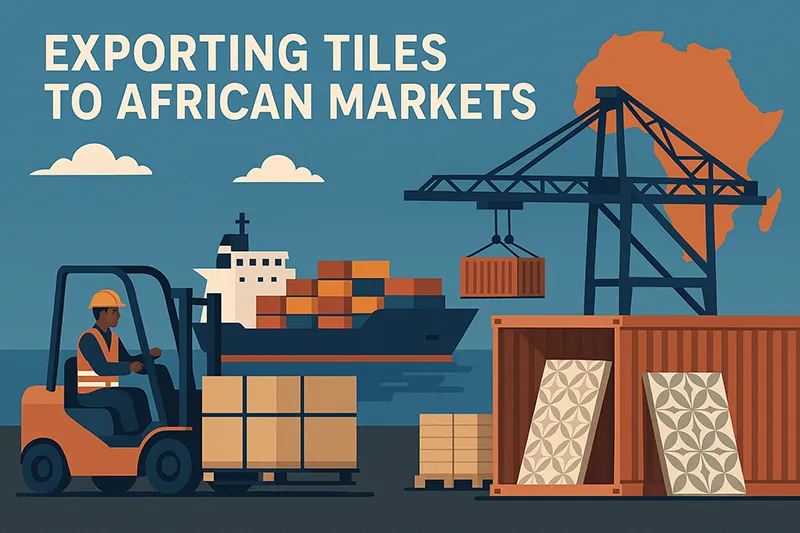
Exporting tiles to African markets
To achieve success in the export sector, one of the key principles is a thorough understanding of the target market’s needs. Exporting ceramic and porcelain tiles to African countries is no exception. Given the unique characteristics of this market, familiarizing yourself with the most popular and suitable types of tiles for export to Africa can help maximize your business opportunities.
Currently, sanitary tiles are one of the most in-demand products in the African market. These tiles are primarily used in healthcare facilities, hospitals, and sanitation services. Additionally, wood-look tiles are also highly favored in this market. With their elegant and stylish appearance, these tiles are widely used in residential and commercial spaces.
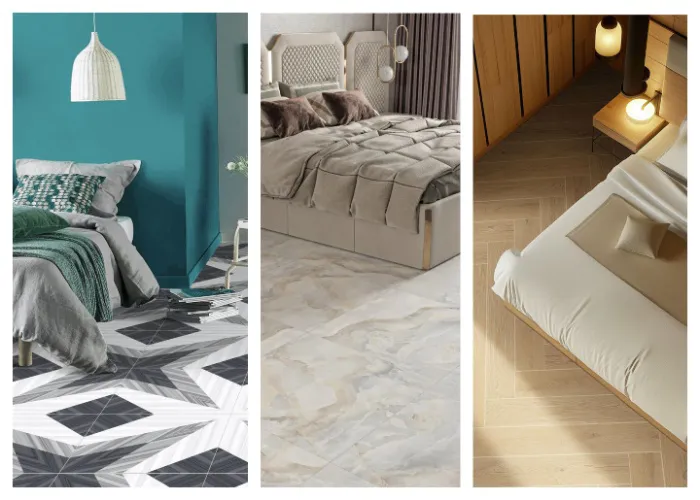
When it comes to colors, specific choices are particularly popular in Africa. Natural colors such as beige and brown are highly appreciated in the interior décor of African homes. These hues, in addition to their beauty, easily complement a range of decorative styles. Furthermore, light colors such as white and cream are ideal for building exteriors in Africa and are very much in demand. These colors are especially suitable for outdoor spaces and building exteriors, making them an excellent choice for export to African markets.
Ultimately, beyond color and design, the quality and price of tiles are of paramount importance. Africans typically seek products that offer a good balance of quality and affordability. Therefore, when exporting tiles to African markets, it is essential to provide products that align with these two key attributes.
The tiles exported from Iran to African markets encompass a variety of types, each with unique features that make them suitable for different sectors of construction and interior and exterior decoration. Here are some of the popular tile types exported from Iran to African countries:
-
Porcelain Tiles
Due to their high resistance to moisture, wear, and varying weather conditions, porcelain tiles are highly favored in many African countries that require durable tiles. These tiles are ideal for use in commercial, residential, and even public spaces across different regions of Africa.
-
Ceramic Tiles
Ceramic tiles, especially for interior applications such as flooring and wall coverings, are exported to Africa for residential and commercial projects. These tiles are available in a diverse selection of designs and colors, making them suitable for various environments, including homes, shops, and offices.
-
Chinese Tiles
Iranian Chinese tiles, known for their high quality and variety in designs and colors, are particularly popular in premium developments in Africa. These tiles are favored in modern, upscale interior designs, especially in hotels, commercial centers, and office buildings.
-
Decorative Tiles
These tiles are primarily designed for use in interior decoration and building facades. Their special designs and attention to detail make them suitable for projects that require fine details and unique aesthetics.
-
Antique and Traditional Tiles
Some Iranian tile models, with their classic and traditional designs, are highly sought after for projects with historical or traditional architectural styles in Africa. These tiles are commonly used in historic buildings, cultural centers, and special projects.
-
Anti-slip Tiles
Due to their safety features, anti-slip tiles are widely used in public and commercial projects with high foot traffic in Africa. These tiles are an excellent choice for environments where safety and comfort in operation are a priority.
Given the unique characteristics of each tile type and the diverse needs of African markets, exporting tiles from Iran to this continent presents numerous business opportunities, it has the potential to capture a significant share.
Exporting tiles to African markets offers potential for growth in various sectors of the construction and design industry.
How to Export Tiles to Africa: Logistics and Costs
The shipment of ceramic and porcelain tiles to Africa has experienced significant growth in recent years, positioning it as one of the most attractive commercial destinations. With the increasing demand for construction materials and infrastructure development, Africa has become a major market for building products. In this context, Iran, with its production of high-quality tiles at competitive prices, has successfully captured a substantial share of the African market.
Exporting tiles to African markets continues to offer expanding opportunities for businesses looking to meet the continent’s growing needs for durable and affordable construction materials.
-
Shipping Methods and Costs
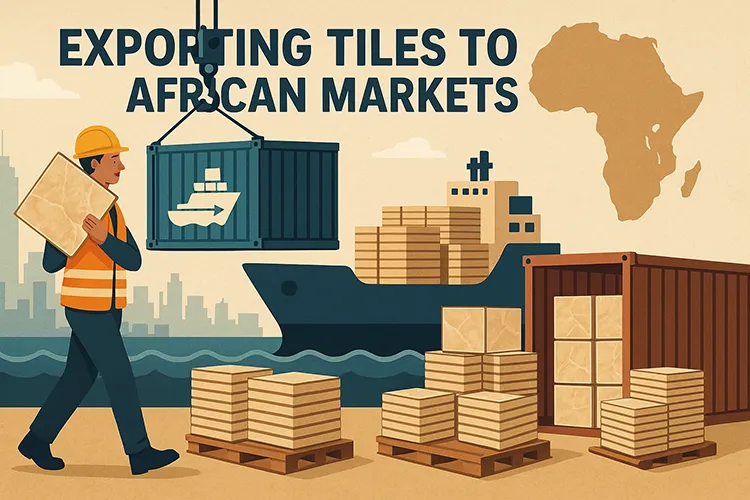
Sea transportation is one of the best and most cost-effective methods for exporting ceramic and porcelain tiles to Africa. In recent years, Iran has strived to grow its shipping routes to African countries. Southern ports in Iran, such as Bandar Abbas, Bushehr, and Chabahar, have become key transit hubs for shipping tiles and ceramics to Africa.
Exporting tiles to African markets via these strategic ports offers an efficient solution to meet the growing demand for building materials across the continent.
The export tariffs for ceramic and porcelain tiles to Africa depend on various factors. These include transportation costs, insurance, marketing, customs fees, and tariffs. Proper planning to reduce these costs can significantly improve the profitability of exports.
Exporting tiles to African markets requires careful consideration of all these variables to ensure efficient cost management and maximize returns.
-
Customs Duties and Regulations in African Countries
To successfully export ceramic and porcelain tiles, you need to follow several important steps:
- Obtain a Business License
Ensure you acquire a business license and a commercial card for international trade.
- Hire Professional Consultants
Employ a professional consultant, manager, and accountant to manage the complex logistics of exportation.
- Obtain Export License for Ceramics and Tiles
Get the necessary export license to legally ship ceramic and porcelain tiles to foreign markets.
- Establish Contacts with Importing Companies
Create relationships and coordinate with ceramic import companies in the target country to ensure smooth distribution.
- Set Prices and Send Proforma Invoices
Determine the pricing strategy and send a proforma invoice to the importing company for approval.
- Select Safe International Payment Methods
Choose secure international payment methods to protect both parties in the transaction.
- Send Ceramics to Customs
Ship the ceramics to the customs department for clearance before export.
- Obtain Certificate of Origin
Ensure tiles are certified with a Certificate of Origin to prove their source.
- Price Check and Market Analysis
Conduct thorough market research to understand pricing and market conditions for export ceramics.
- Inspection Information
Gather information regarding any necessary inspections that might be required for export.
- Understand the Target Market’s Needs
Gain knowledge about the specific demands and characteristics of the market in the destination country.
- Effective Advertising and Marketing
Implement a strong advertising and marketing campaign tailored to export ceramics to the target market.
Following these steps will help you establish a smooth and profitable process for exporting tiles to African markets while ensuring compliance with all legal and regulatory requirements.
Main African Markets for Exporting Ceramic and Porcelain Tiles
African countries are emerging as attractive and rapidly growing markets for exporting ceramic and porcelain tiles. Particularly, South Africa, Egypt, Tunisia, and Algeria stand out as key strategic destinations. These countries, with their favorable geographic locations and large transit ports for shipping and receiving goods, also provide access to markets in other West African countries. Below are the key cities in each of these countries with high potential for ceramic and porcelain tile exports:
- Egypt:
- Cairo: The capital of Egypt and one of the largest cities in the Arab world, Cairo has a broad market across commercial, residential, and infrastructure sectors, driving significant demand for ceramic and porcelain tiles.
- Alexandria: As Egypt’s second-largest city and an important commercial port, Alexandria is a major market for exporting building materials, particularly tiles and ceramics.
- South Africa:
- Johannesburg: The largest economic city in South Africa, Johannesburg is a commercial hub with numerous construction projects. The demand for high-quality tiles is high in Johannesburg and its suburbs.
- Cape Town: Known for its tourism and trade, Cape Town has a strong demand for luxury and durable tiles in residential and commercial projects.
- Algeria:
- Algiers: The capital and largest city of Algeria, Algiers is a key market for tile exports due to the rapid growth in the construction and commercial sectors.
- Oran: As an industrial and commercial center in Algeria, Oran is an important market for ceramic and porcelain tiles due to the demand for building materials in construction projects.
Given the unique characteristics of these cities and countries, exporting ceramic and porcelain tiles to these markets offers an excellent opportunity for expanding trade and accessing large African markets.
Exporting tiles to African markets presents vast opportunities for businesses looking to grow their presence in this emerging region.