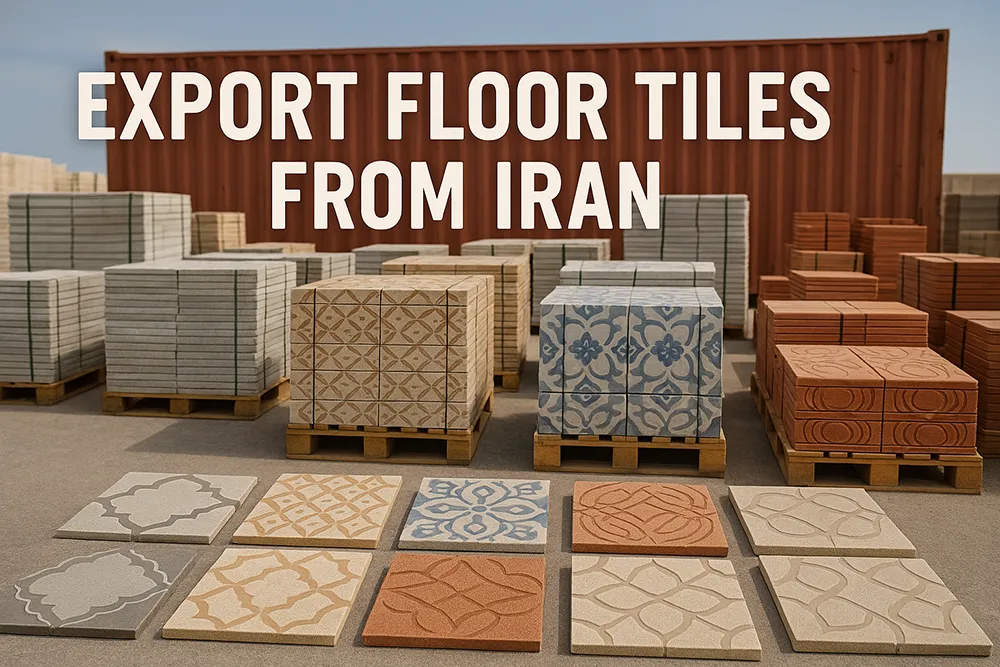
Introduction: Exporting floor tiles from Iran has become increasingly attractive due to the country’s vast natural resources, advanced manufacturing capabilities, and competitive pricing. Iranian tiles, especially porcelain varieties, are known for their durability, aesthetic appeal, and high quality, making them a popular choice in international markets.
We will provide comprehensive information about this topic in the following, including key benefits, popular sizes, logistics options, and essential legal considerations for exporting floor tiles from Iran.
Ceramic Floor Tiles from Iran
Floor ceramic is a construction material made from clay and other minerals, commonly used as flooring or wall covering in various spaces. These ceramics are typically fired at high temperatures, which enhances their strength and durability. One of the key features of floor ceramic tiles is their abrasion resistance, enabling them to withstand the wear and pressure caused by daily foot traffic. Additionally, these ceramics are available in a wide range of colors, patterns, and sizes, allowing designers and property owners to select according to their preferences.
Moisture resistance is another important characteristic of floor ceramics. They are generally impermeable to water, making them highly suitable for areas such as bathrooms and kitchens. Moreover, their smooth, non-porous surface makes them easy to clean, preventing stains from settling. Due to their high durability, floor ceramics can last for many years without the need for repair or replacement.
Key Characteristics of Ceramic Floor Tiles
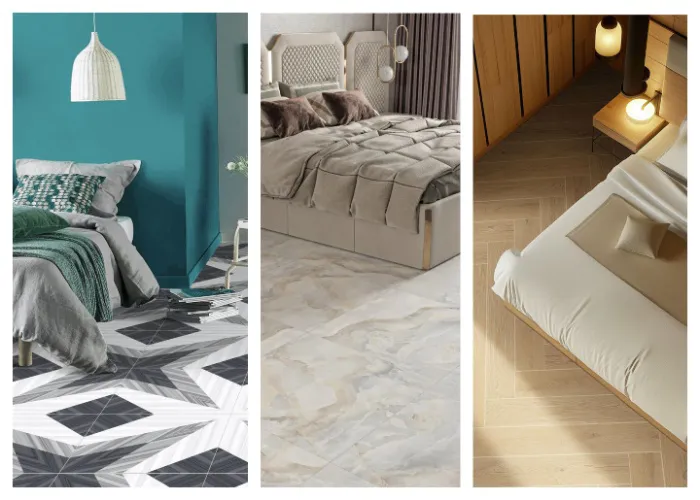
These ceramics are used in both interior and exterior spaces, including houses and apartments, retail stores and shopping centers, offices, and commercial settings, and even public areas such as schools and hospitals. Overall, floor ceramic is an excellent choice for those seeking a durable, aesthetically pleasing, and low-maintenance flooring solution.
Types of Floor Ceramics Based on Material
Floor ceramics can generally be divided into two main categories based on their material composition: standard ceramics and porcelain ceramics. Standard floor ceramics have lower density due to their composition and manufacturing process. As a result, they tend to absorb more moisture and have less resistance to impact.
The second category includes porcelain floor ceramics, which are characterized primarily by their extremely low porosity and water absorption rate of less than 0.5%. This low porosity contributes to several unique properties and advantages. The most significant difference between porcelain and standard ceramics lies in the raw materials used. Porcelain ceramics contain a higher amount of fluxing agents, whereas standard ceramics contain less. Additionally, white clay ceramics absorb more water and are therefore generally less expensive.
Another major difference between these two types of ceramics is their firing temperature. Porcelain tiles are fired at temperatures ranging from 1200 to 1400 degrees Celsius, whereas standard ceramics are fired at lower temperatures.
Granite-effect floor ceramics, a type of porcelain tile, are designed to resemble natural granite and are commonly available in three main patterns: salt-and-pepper, veined, and rustic. One key distinction between granite ceramics and standard ceramics is the absence of iron oxide in their composition.
Types of Floor Ceramics Based on Appearance
In terms of appearance, ceramics are generally classified into two types: matte and glossy. The glossiness of a ceramic surface depends on the finishing process applied during production. The main difference between these two types lies in their light reflection properties. Glossy ceramics reflect light more intensely, making them shiny and often slippery, which makes them less suitable for certain areas such as bathrooms.
On the other hand, matte ceramics have minimal light reflection, which means they do not display reflections of people or objects on their surface. This characteristic makes them a popular choice in high-traffic areas such as offices, cafés, and restaurants, where a more subtle and practical flooring option is preferred.
Types of Floor Ceramics Based on Hardness Level
Floor tiles are also categorized according to their hardness, which determines their resistance to abrasion and wear:
Grade 1 Hardness: These tiles have low abrasion resistance and are suitable for low-traffic areas, such as bathrooms. They are not recommended for use in rooms or living areas.
Grade 2 Hardness: Slightly more resistant than Grade 1, these tiles are appropriate for interior spaces where the risk of abrasion is minimal.
Grade 3 Hardness: These tiles offer moderate abrasion resistance and can be used with confidence in most residential areas and small, low-traffic commercial spaces. However, they are not recommended for areas exposed to heavy foot traffic.
Grade 4 Hardness: Known for their excellent durability and wear resistance, these tiles are suitable for nearly any space, including both residential and commercial areas.
Grade 5 Hardness: These tiles offer the highest level of abrasion resistance and can be used in all environments without limitation.
Types of Floor Ceramics Based on Size
Floor tiles come in a variety of sizes, and their dimensions can significantly affect both installation costs and pricing. For instance, installing a 100×100 cm tile is generally more expensive than installing an 80×80 cm tile, assuming the same material quality.
Since floor tiles are often used in high-traffic areas and are subject to more stress than wall tiles, they must be durable and properly fixed to avoid becoming loose over time. Additionally, grout lines between tiles can trap dirt and bacteria—so the smaller the tile size, the more grout lines, and the higher the likelihood of contamination. For this reason, larger tiles are typically preferred for flooring applications.
Floor tiles also vary in thickness, ranging from as thin as 3 mm to as thick as 2 cm or more. Some of the most common tile sizes include:
120×60 cm
100×100 cm
160×80 cm
Slab Tiles (Large-Format Ceramics)
Slabs are large-format ceramic tiles that come in significantly larger dimensions compared to standard tiles. They are produced in sheet-like formats and are commonly available in sizes such as 100×100, 120×120, 240×120, 280×120, and the ultra-large 320×160 cm. Slabs are especially suitable for modern, seamless flooring and wall designs, offering a clean and elegant look with fewer grout lines.
Applications of Ceramic Floor Tiles in Various Industries
1. Residential Flooring (Homes and Apartments)
- Floor Tiles for the Home
Floor ceramics are versatile and suitable for various surfaces in a home. Choosing the right type depends on personal taste, interior design, and household needs. Key factors include stain and detergent resistance, compatibility with décor, price, and durability. Porcelain tiles are among the best options for residential flooring.
- Living Room Floor Tiles
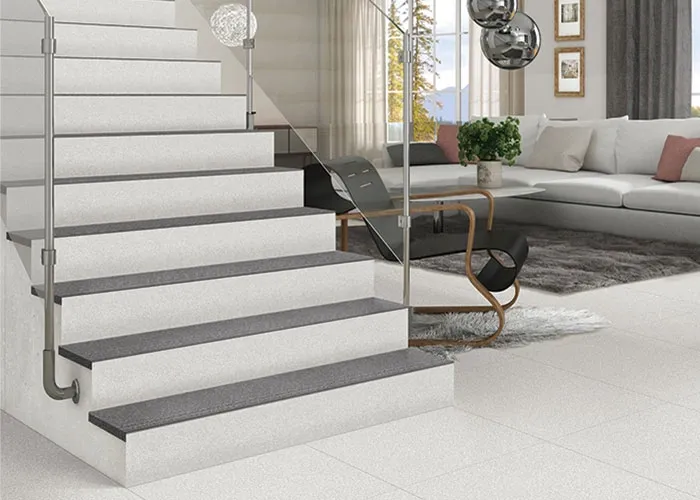
The living room is a key area in any home, making the choice of floor tiles—size, color, and design—especially important. Tile size should match the room size; large slabs suit spacious rooms, while smaller tiles enhance compact spaces. Matte or glossy porcelain tiles, including stone-look and wood-look designs, offer durability, water resistance, and easy maintenance.
- Bathroom Floor Tiles
Bathroom floor tiles must meet specific standards for functionality and safety. They should have low water absorption, anti-slip surfaces, stain, and bacteria resistance, and be easy to clean. Porcelain tiles are ideal due to their durability, hygiene features, and aesthetic variety. Proper tile sizing also enhances the overall visual space.
- Yard Floor Tiles
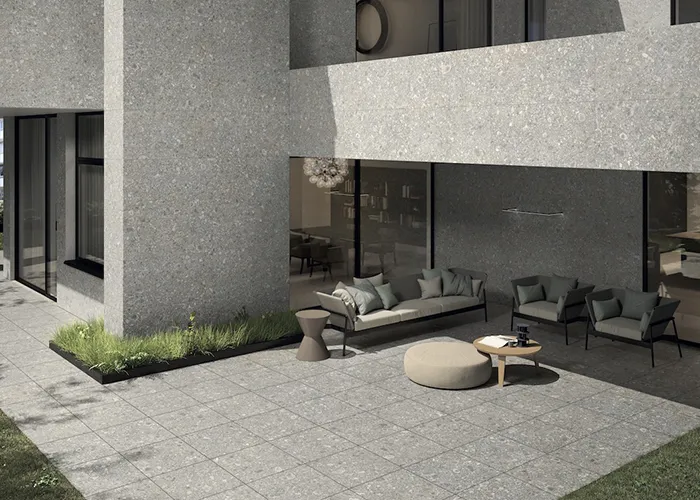
In the past, stone was the preferred material for covering yard floors. However, due to rising costs and limited design options, its use has decreased. Ceramic tiles are now a cost-effective, durable, and aesthetically pleasing alternative for yard flooring. Porcelain tiles are ideal for their resistance to weather changes and long-lasting appearance. When choosing tiles, consider factors like strength, water resistance, and non-slip surfaces, especially in cold climates to prevent accidents. For hot climates, heat-resistant tiles are recommended. Avoid glossy, slippery tiles in all cases.
- Parking Floor Tiles
Choosing tiles for a parking floor is similar to selecting tiles for a yard. It’s crucial to consider slip resistance. Opting for tiles with lower slipperiness can significantly improve safety. Additionally, select tiles with high abrasion resistance, as parking areas experience heavy traffic. Tiles with low water absorption, like porcelain, are ideal due to their durability in wet conditions.
2. Commercial Flooring (Shops, Malls)
Commercial tiles are specially designed for high-traffic environments such as offices, retail stores, and public spaces. These tiles are durable, easy to maintain, and available in a variety of styles, colors, and finishes to suit any commercial setting. They are made from materials like porcelain, ceramic, and natural stone, offering resistance to wear, stains, and moisture. Commercial tiles are designed to handle heavy foot traffic and frequent cleaning without losing their aesthetic appeal. Non-slip options are also available for safety in areas with high moisture exposure, making them ideal for spaces like bathrooms and kitchens. They provide a practical and stylish flooring solution.
Each tile and ceramic intended for a specific location must have unique characteristics compared to other tiles and ceramics. These features provide advantages and superiority over others, making them the preferred choice. These features include:
- High Beauty and Appeal for Customers
The tiles and ceramics used on the walls of shops and stores should have an attractive appearance that draws people in. They should also create an environment where customers enjoy being in the space, enhancing their overall shopping experience.
- Glossiness and Light Reflection
Good lighting has a significant impact on attracting customers and creating a sense of comfort in your store. However, for those aiming to design a luxury shop, using matte ceramics is also recommended. Don’t underestimate the importance of the glossiness of the tiles and ceramics used for the walls of your store. Additionally, the quality of the product should be such that dirt and dust can be easily cleaned off its surface.
Sourcing Ceramic Floor Tiles from Iran
Iran is home to over 150 tile and ceramic manufacturers, producing 450 million square meters of tiles annually, half of which are exported. These manufacturers include reputable brands.
As you may know, producing these products requires rich mineral resources, and Iran possesses some of the world’s richest mineral sources for manufacturing these materials.
Therefore, individuals looking to purchase tiles and ceramics, particularly the best floor tile brands, can choose from well-known Iranian brands available in the market.
Export Regulations and Documentation for Floor Tiles
- Legal Requirements and Certifications
When importing tiles from Iran, it’s crucial to understand both the supplier’s product quality and the legal requirements for the import process. Start by researching the relevant import regulations and ensuring you comply with both Iranian and destination country rules. Consulting customs authorities or hiring a broker can help ensure proper documentation, permits, and adherence to restrictions, avoiding potential legal issues.
- Import Process Steps
First, discuss costs, including shipping and packaging, to ensure both parties are clear on the total price. Use secure payment methods to finalize the deal. Next, prepare the necessary documents for customs clearance, such as commercial invoices, packing lists, and certificates of origin. If customs procedures are complex, consider hiring a customs broker for assistance.
Upon receiving the goods, inspect them thoroughly to confirm they meet the specifications and were not damaged during transit. If issues arise, resolve them through agreed-upon terms and after-sales support.
Top Types of Iranian Floor Tiles for Export
One of the most attractive options for exporting floor tiles is slab tiles, which have gained popularity in this market due to their large dimensions and modern designs. These tiles, with outstanding features such as resistance to moisture and wear, along with a sleek and appealing appearance, have become an ideal choice for residential and commercial projects.
Popular Sizes for Exporting floor tiles
Choosing the right sizes for exporting ceramics can greatly impact sales success and customer attraction. In this market, certain sizes are more popular due to higher demand and diverse applications.
| Size (cm) | Application |
|---|---|
| 60 × 60 | Suitable for flooring and walls in both indoor and outdoor spaces |
| 100 × 100 | Ideal for creating a modern and luxurious design in larger spaces |
| 75 × 75 | Suitable for flooring in both indoor and outdoor areas, especially in high-traffic regions |
| 60 × 120 | Perfect for walls and flooring, particularly in modern and minimalist designs |
Packing and Shipping Floor Tiles
Luxury tiles and ceramics are exported to neighboring countries through sea, land, and air transportation. Below are the common methods of transporting tiles and ceramics:
- Sea Transportation
Luxury tiles and ceramics are typically transported in container ships, which is a cost-effective way to handle large volumes of goods. Ports like Bandar Abbas and Bandar Imam Khomeini are recognized as the main hubs for exporting these shipments. Sea transport is ideal for bulk orders and is often preferred due to its lower cost.
- Air Transportation
This method is suitable for urgent or smaller shipments. Air transport is faster than sea transport, enabling quick delivery to international markets. Although air transportation is more expensive, it is used for high-value or sensitive shipments, such as premium tiles and ceramics. Airports like Tehran’s Imam Khomeini International Airport are responsible for handling these shipments.
- Land Transportation
When exporting tiles and ceramics to neighboring countries, land transportation via trucks is commonly used. This method is especially cost-effective for short-distance destinations. Land transportation offers the advantage of direct delivery to border points, facilitating faster distribution.
Ceramic Floor Tiles vs Other Types of Tiles
- Porcelain vs Ceramic Tiles
The clay used in porcelain tiles has a higher density, resulting in lower porosity compared to ceramic tiles. This makes porcelain harder and more resistant to moisture penetration. Due to its composition, porcelain is more durable than ceramic tiles and is better suited for heavy-duty use.
- Stone vs Ceramic Tiles
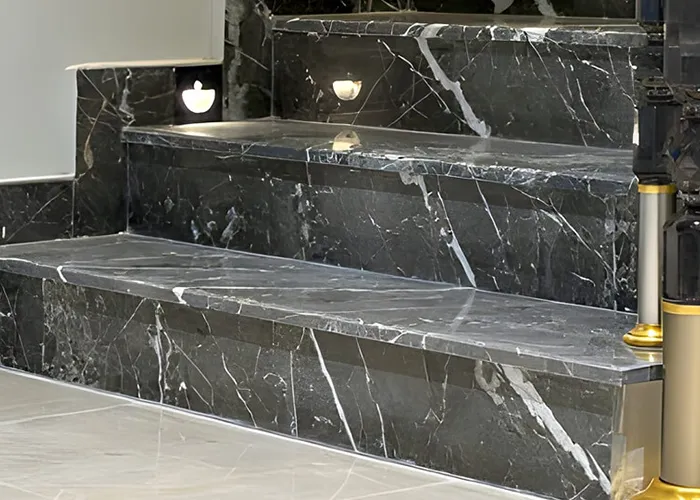
Stone and ceramic tiles are both popular choices for flooring and wall coverings, but they differ in several key aspects. Stone tiles, made from natural materials like marble, granite, and slate, offer a unique and luxurious appearance with high durability. However, they tend to be more expensive and require regular sealing for maintenance. Ceramic tiles, made from clay and other natural materials, are more affordable and easier to install and maintain. They come in a wide range of colors, patterns, and finishes. While ceramic tiles are more water-resistant, stone tiles provide a more natural and timeless aesthetic.