

Exporting ceramic tiles to Iraq represents one of the most significant non-oil trade channels for Iran, a sector that has experienced remarkable growth in recent years. The close geographical proximity of the two nations, coupled with Iraq’s substantial demand for construction materials and Iran’s strong production capacity, has turned Iraq into a key destination for Iranian exporters. This relationship is further strengthened by the shared cultural and economic ties between the two countries, which make Iranian ceramic and porcelain tiles highly compatible with the tastes and preferences of Iraqi consumers.
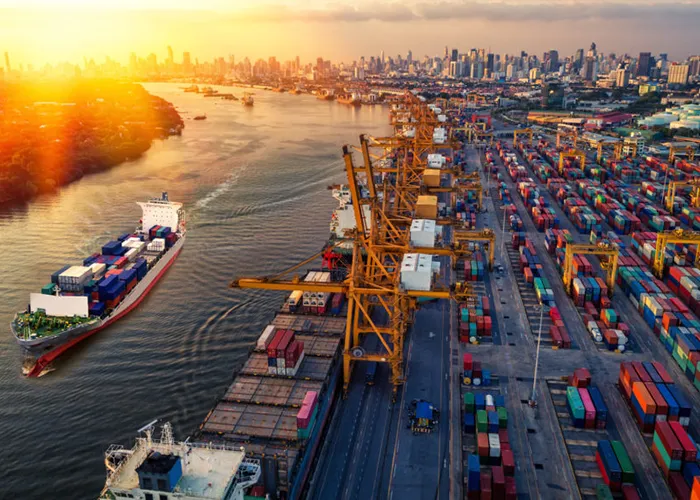
The Iraqi market presents vast opportunities for businesses focused on exporting ceramic tiles from IRAN to Iraq. With the country’s continuous reconstruction efforts and the rapid expansion of its urban infrastructure, the demand for quality and affordable building materials remains consistently high. Iranian manufacturers, known for their diverse product designs and durable materials, are well-positioned to meet these needs effectively.
In this article, we will provide a comprehensive overview of Iraq’s tile market, covering the most critical aspects such as market trends, export tariffs and regulations, necessary documentation and licenses, transportation routes, and consumer preferences. We will also discuss the major advantages and challenges of exporting to Iraq, concluding with practical strategies to achieve long-term success in this profitable trade sector.
Suggested Article: Export ceramic wall tiles from Iran
The Importance of Iraq as a Key Destination for Exporting Ceramic Tiles

Why is Iraq considered a key destination for exporting ceramic tiles from Iran?
Iraq stands as one of the most significant destinations for a wide range of Iranian products, especially in the construction sector. According to recent trade data, a large share of Iran’s non-oil exports is dedicated to building materials — with ceramic and porcelain tiles leading the way. This clearly demonstrates that exporting ceramic tiles to Iraq is not only highly profitable for Iranian traders and merchants but also strategically vital for the long-term growth of Iran’s tile manufacturing industry.
Key cities such as Baghdad, Mosul, Basra, Karbala, Najaf, Erbil, and Sulaymaniyah represent the main hubs of demand for ceramic and porcelain tiles in Iraq. The ongoing wave of construction and urban expansion in these areas has created exceptional opportunities for businesses involved in exporting ceramic tiles from Iran to Iraq.
Suggested Article: Exporting ceramic tiles to Turkiye
Reconstruction projects, residential housing developments, and commercial centers are all driving consistent demand for high-quality floor, wall, and bathroom tiles. Whether for luxury apartment complexes in Baghdad or public infrastructure projects in Basra, Iraqi buyers are actively seeking durable, affordable, and aesthetically pleasing tiles — an area where Iranian products have proven to deliver both quality and design diversity.
Regulations and Tariffs for Exporting Ceramic Tiles to Iraq

Understanding Iraq’s Import Laws and Compliance Requirements
One of the most crucial factors for every exporter is understanding the import regulations and tariff system of the target country. Iraq has clearly defined requirements for the import of construction materials, including ceramic and porcelain tiles. Among these requirements are labeling product details in Arabic on the packaging, presenting valid standard certificates, adhering to hygiene and safety regulations, and ensuring that all products align with the technical and aesthetic expectations of the Iraqi market.
Suggested Article: Exporting ceramic tiles to Afghanistan
When it comes to customs tariffs, the rates applied to ceramic and porcelain tiles are comparatively lower than many other imported products. This competitive tariff structure has motivated a growing number of Iranian traders to expand their business by exporting ceramic tiles. However, exporters should be aware that non-compliance with Iraqi standards or incomplete documentation can lead to shipment delays, additional inspections, or even the confiscation of goods. Therefore, a full understanding of Iraq’s customs and import laws is essential for smooth and successful export operations.
Required Documents and Permits for Exporting Ceramic Tiles to Iraq
To successfully export ceramic tiles from Iran to Iraq, exporters must prepare and submit specific documentation. These documents ensure the transparency, legality, and authenticity of the shipment and help accelerate customs clearance on both sides of the border. The essential documents include:
- Commercial invoice in both Arabic and English
- Certificate of Origin issued by the Chamber of Commerce
- Detailed product declaration list
- Product labeling in Arabic and Latin scripts
- Standard and ISO certifications (if required)
- Verification from the National Standards Organization of Iran
Possessing these documents guarantees a smoother customs clearance process at Iraqi ports and border points. It also helps exporters maintain credibility and avoid legal complications during inspections. Proper documentation is a key part of any successful strategy for exporting ceramic tiles, ensuring that the process remains both efficient and compliant with international trade norms.
Suggested Article: Ceramic vs Porcelain Tiles
Main Transportation Routes for Exporting Ceramic Tiles to Iraq

Which major border crossings between Iran and Iraq are most active for exporting ceramic tiles?
Given the extensive shared border between Iran and Iraq, several major routes are used for exporting ceramic tiles from Iran to Iraq. The most active and strategically important border crossings for tile and construction material shipments include:
- Mehran Border (Ilam Province
- Shalamcheh Border (Khuzestan Province)
- Parvizkhan and Khosravi Borders (Kermanshah Province)
- Bashmaq Border (Marivan, Kurdistan Province)
- Tamarchin Border (West Azerbaijan Province)
These crossings facilitate a consistent and cost-effective flow of goods between the two countries, making them crucial gateways for trade. Each of these borders serves different regions within Iraq, providing exporters with flexible logistics options based on their target markets and delivery timelines.
Land transportation remains the primary method for exporting ceramic tiles, mainly due to its affordability, speed, and ease of access. Truck convoys regularly operate across these border points, ensuring reliable delivery to major Iraqi cities such as Baghdad, Basra, Erbil, and Najaf. This method allows exporters to minimize costs while maintaining timely deliveries, a critical factor in sustaining business partnerships in the region.
Suggested Article: Exporting Porcelain Tiles from Iran
Although less common, maritime export routes are also available. Shipments can be handled through Khorramshahr Port in Iran and Basra Port in Iraq, offering an alternative solution for large-scale exports or destinations located near southern Iraq. However, the majority of trade volume continues to move through overland transportation, thanks to Iran’s well-developed road network and proximity to Iraqi markets.
The Most Popular Tile Designs and Colors in Iraq
What tile designs and colors are currently the most popular among Iraqi consumers?
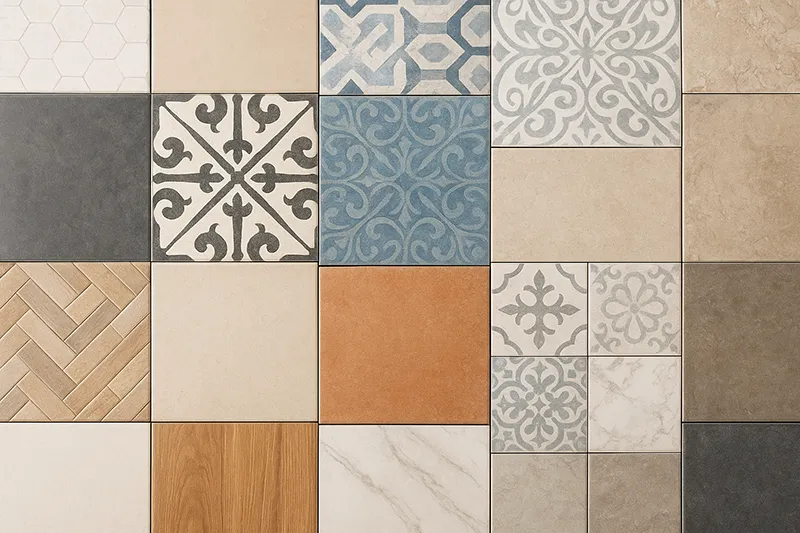
The most popular tile designs and colors in Iraq serve as a key factor in attracting international buyers. In recent years, the Iraqi market has shown a growing preference for specific styles of ceramic and porcelain tiles. The taste of Iraqi consumers is quite similar to that of Iranians, yet several distinctive differences can also be observed. For instance, in most Iraqi homes, light colors are the dominant choice for flooring. Shades such as white, cream, ivory, and soft gray are among the most popular options. These tones not only create a sense of cleanliness but also make interior spaces appear more spacious and bright.
Suggested Article: Exporting Glazed Ceramic Tiles from Iran
In contrast, darker or mixed tones are commonly used for bathroom and restroom walls. Designs that combine brown or black bases with golden or silver streaks have gained significant popularity in the Iraqi market. Additionally, wood-effect and natural-stone-patterned tiles are among the best-selling styles across the country.
Another important detail is the Iraqi buyers’ tendency to use matching tile sets for floors and walls. This preference allows Iranian exporters to offer complete and coordinated collections of designs and colors, gaining a stronger foothold in the market.
These preferences clearly show that understanding customer tastes is one of the main success factors in exporting ceramic tiles. Manufacturers who tailor their products to meet the aesthetic and functional needs of the Iraqi market have a much higher chance of achieving substantial sales growth.
Suggested Article: Export floor tiles from Iran
Advantages of Exporting Ceramic Tiles to Iraq

How can Iranian exporters leverage these advantages to expand their market share in Iraq’s construction sector?
Iran enjoys several major advantages that make it an ideal supplier for the Iraqi construction market. Thanks to its geographical proximity, strong production capacity, and competitive pricing, the country is well-positioned to expand its exports to neighboring Iraq. The most notable benefits include:
1. A Long Shared Border with Iraq:
The extended land border between the two countries allows for faster and more affordable transportation. This geographical advantage significantly reduces logistics costs for Iranian exporters.
Suggested Article: Exporting tiles from Iran to GCC countries
2. Cultural and Consumer Similarities:
The cultural closeness between Iran and Iraq has led to similar consumer tastes. Iraqi buyers easily connect with the design patterns, colors, and styles of Iranian ceramic tiles, which enhances the success rate of Iranian exporters.
3. High Market Demand in Iraq:
The ongoing reconstruction and rapid urban development in Iraq have created a constant need for construction materials, particularly ceramic and porcelain tiles.
4. Lower Production Costs in Iran:
Access to affordable energy, abundant raw materials, and a skilled workforce enables Iranian manufacturers to offer products at highly competitive prices.
Suggested Article: Exporting tiles to Europe from Iran
5. Stable Political and Economic Relations:
The continuous trade cooperation between Iran and Iraq has strengthened business confidence and simplified export procedures for both sides.
These combined advantages make exporting ceramic tiles from Iran to Iraq one of the most stable and profitable non-oil trade opportunities for Iranian businesses. With proper planning, exporters can leverage these strengths to build long-term partnerships and expand their market share in Iraq’s growing construction sector.
Challenges and Barriers in Exporting Ceramic Tiles to Iraq
Why is it important for exporters to continuously improve quality, design, and after-sales service in Iraq?
Although Iraq remains one of the most important markets for Iranian manufacturers, entering and maintaining a strong presence in this market is not without challenges. Exporters must carefully analyze the main obstacles that could affect their performance.
Suggested Article: Exporting tiles to African markets from Iran
-
Strong Competition from Other Countries:
Turkey, China, and several European countries currently dominate a large share of Iraq’s tile market. Competing with them requires constant improvement in quality, design, and after-sales service. Iranian exporters must highlight their unique value through innovation and reliability.
-
Economic and Political Fluctuations:
Iraq’s economy occasionally experiences instability, which can directly influence import trends and consumer purchasing power. Having flexible business strategies and diverse marketing channels helps minimize these risks.
-
Difficulties in Land Transportation:
While land routes are the most common option for exporting ceramic tiles to Iraq, occasional road or security issues may delay shipments. Exporters must ensure proper insurance coverage and work with reliable logistics partners to avoid potential losses.
Suggested Article: Exporting stone tiles from Iran
-
Compliance with International Standards:
Iraq has been gradually tightening its quality control and certification requirements for imported products. Exporters must meet these international standards to ensure uninterrupted market access and maintain customer trust.
By identifying these challenges in advance and preparing practical solutions, Iranian businesses can secure their competitive position in the Iraqi market. Understanding and adapting to these realities are essential steps for building sustainable growth in exporting ceramic tiles from Iran to Iraq.
Strategies to Increase Ceramic Tile Exports to Iraq
How can knowing Iraqi consumer preferences boost sales?
To achieve a sustainable and profitable presence in the Iraqi market, exporters must implement professional and targeted strategies. Some of the most effective approaches include:
- Targeted Marketing:
Understanding the specific preferences of Iraqi consumers and designing marketing campaigns that resonate with local culture and purchasing habits is critical. Tailored messaging can create a stronger brand connection and drive higher sales.
Suggested Article: Exporting porcelain wall tiles from Iran
- Participation in International Trade Shows:
Attending construction and building material exhibitions in Iraq provides an excellent opportunity to showcase products, meet potential buyers, and expand business networks. Trade shows serve as a platform for demonstrating quality, innovation, and reliability.
- Diversity in Designs and Quality:
Offering a wide range of products with varying designs and quality levels ensures that all customer segments are catered to. This approach increases market coverage and builds a reputation for versatility.
- Providing Standardized Packaging:
Professional packaging, including labels in both Arabic and English, not only ensures compliance with local regulations but also enhances customer trust. Proper packaging protects the tiles during transit and presents a premium appearance in the market.
- Direct Collaboration with Iraqi Traders:
Building direct relationships with importers and distributors in Iraq minimizes the role of intermediaries, improving profit margins for Iranian exporters. Establishing long-term partnerships strengthens market stability and facilitates consistent orders.
By applying these strategies, Iranian businesses can expand their share in the Iraqi market and improve the overall success of exporting ceramic tiles to Iraq. Strategic planning combined with local market insight enables a stronger, more resilient export operation.
Suggested Article: Exporting bathroom tiles from Iran
Key Destination Cities for Ceramic Tile Exports in Iraq
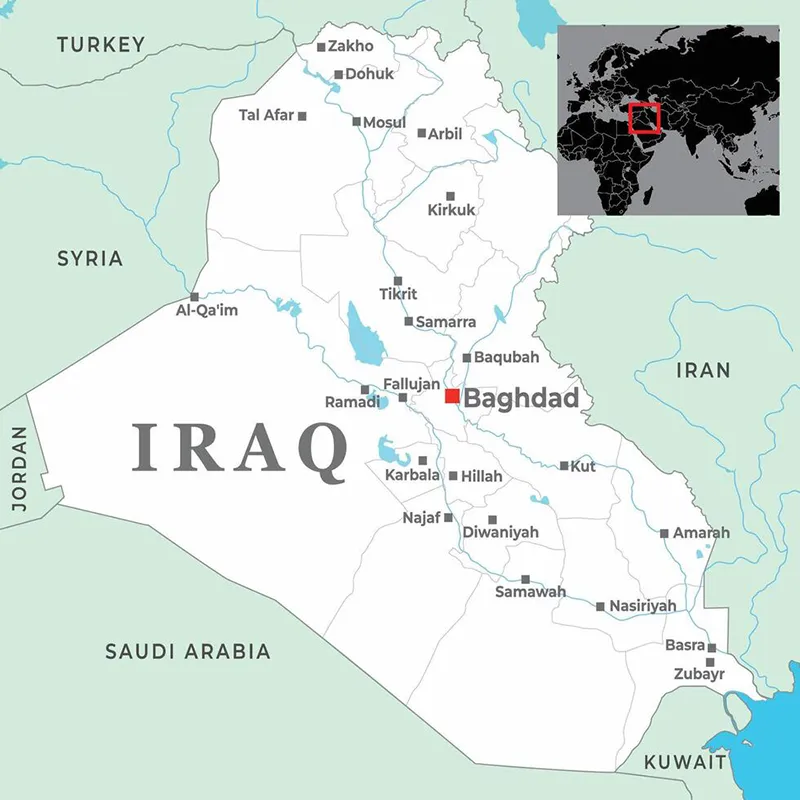
Which Iraqi cities are key for ceramic tile imports?
Iraq’s geographical size and population concentration in several major cities define clear target destinations for ceramic and porcelain tile imports. Recognizing these cities helps exporters plan marketing and distribution more efficiently, ensuring higher profitability.
- Baghdad:
As the capital and the most populous city, Baghdad represents the largest consumer market for ceramic tiles. Residential and commercial construction projects are continuously underway, generating a steady demand for various tile types.
- Basra:
Basra, Iraq’s main port city and one of its wealthiest urban centers, handles a significant portion of imports. The city’s commercial and industrial activity makes it a strategic entry point for exporters.
- Mosul:
After recent conflicts, reconstruction efforts in Mosul have accelerated rapidly. This city requires a high volume of construction materials, creating substantial opportunities for Iranian tile exporters.
- Najaf and Karbala:
Both cities attract a large number of religious visitors, and ongoing development of pilgrimage sites drives a consistent need for ceramic and porcelain tiles. Exporters who target these cities can benefit from a specialized market with steady demand.
- Erbil and Sulaymaniyah:
Located in the Kurdistan Region, these cities are experiencing economic growth and attracting foreign investments. The development of infrastructure and commercial projects has made Erbil and Sulaymaniyah key markets for construction materials.
Focusing on these urban centers enables Iranian exporters to design precise distribution networks and maximize their profits in exporting ceramic tiles to Iraq. Prioritizing city-specific strategies ensures efficient allocation of resources and better market penetration.
Suggested Article: Exporting ceramic tiles to Russia
Transportation and Proper Packaging for Exporting Ceramic Tiles to Iraq
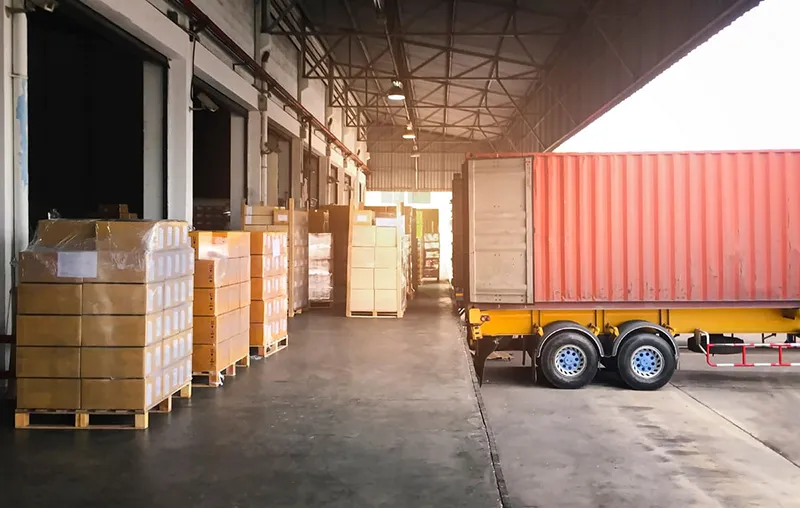
What is the main transportation method for exporting ceramic tiles to Iraq?
One of the most critical stages in exporting ceramic tiles from Iran to Iraq is selecting the appropriate transportation method. Due to the extensive land border between Iran and Iraq, shipments are predominantly carried by heavy trucks and trailers. This approach not only reduces costs but also ensures faster delivery times.
However, because ceramic and porcelain tiles are fragile, proper packaging is essential to prevent damage during transit. Key considerations include:
1. Using sturdy, multi-layered boxes:
High-quality packaging materials protect tiles against impact and external pressure.
2. Arranging tiles upright on pallets:
Standing placement minimizes the risk of breakage during loading and unloading.
3. Utilizing bubble wrap or foam padding:
Cushioning materials absorb shocks and safeguard the surface of each tile.
4. Maintaining standard weight per package:
Proper weight distribution prevents accidents and facilitates smoother handling.
5. Sealing packages completely:
Full sealing keeps out dust, moisture, and other environmental elements, preserving product quality.
Professional packaging not only prevents financial losses due to breakage but also enhances the perceived value of the products in the Iraqi market. Exporters who implement these measures gain a competitive edge and strengthen their reputation for reliability, which is vital for long-term success in exporting ceramic tiles to Iraq.
Tariffs and Costs of Exporting Ceramic Tiles to Iraq

What factors influence the costs of exporting ceramic tiles to Iraq?
The costs associated with exporting ceramic tiles to Iraq depend on several factors. Understanding these elements is essential for proper pricing and maintaining profitability. The main cost components include:
- Transportation Costs:
Expenses vary depending on the chosen route, whether overland or by sea, and the distance to the destination city. Land transport remains the most common option due to speed and cost-efficiency.
- Customs Tariffs:
Iraq has set specific import tariffs for construction materials, which are generally lower compared to other imported goods. Being aware of these tariffs allows exporters to accurately calculate the total cost and maintain competitive pricing.
- Packaging and Insurance:
Standardized packaging and insurance coverage are crucial for protecting the shipment. While these add to the initial cost, they safeguard against potential losses during transit.
- Marketing and Promotion:
Participation in trade shows, advertising campaigns, and communication with Iraqi traders represents an additional expense but is critical for market penetration and brand recognition.
Although initial expenses are unavoidable, the high demand in Iraq ensures that the final profit margins are attractive. This economic dynamic explains why many Iranian exporters are choosing to invest heavily in exporting ceramic tiles to Iraq, seeing it as a lucrative and sustainable business opportunity.
Strategies for Sustainable Development of Ceramic Tile Exports
To ensure that exporting ceramic tiles to Iraq is not merely a short-term activity but evolves into a sustainable and long-lasting business, long-term actions must be taken. Key strategies include:
- Establishing Offices or Representatives in Major Iraqi Cities:
Setting up local offices strengthens market presence and allows faster response to customer needs, improving operational efficiency.
- Training Marketing and Sales Teams on Iraqi Culture:
Educating teams about local business practices, consumer preferences, and cultural nuances enhances customer engagement and trust.
- Diversifying Product Lines to Meet Local Needs:
Offering products tailored to the preferences of different regions and consumer groups ensures broader market coverage.
- Collaborating with Iraqi Companies for Wider Distribution:
Partnering with local firms allows exporters to leverage existing networks, expand reach, and facilitate efficient delivery.
- Utilizing Advanced Packaging and Advertising Technologies:
Employing innovative packaging methods and digital marketing tools not only improves product safety but also elevates brand perception in the Iraqi market.
Implementing these measures enables Iranian exporters to solidify their position in Iraq, build long-term market share, and maximize the potential of exporting ceramic tiles to Iraq in a sustainable manner. Strategic planning combined with local insights ensures ongoing profitability and resilience.
Conclusion
Why is Iraq considered a strategic destination for Iranian ceramic tile exporters?
Exporting ceramic tiles to Iraq represents one of the most profitable segments of Iran’s non-oil trade. The neighboring location, extensive land border, cultural similarities, and Iraq’s high demand for construction materials have positioned this market as a strategic destination for Iranian exporters.
Despite certain challenges, such as competition from other countries and the requirement to comply with international quality standards, the opportunities remain abundant. A thorough understanding of Iraqi consumer preferences, professional packaging, targeted marketing, and close collaboration with local traders can significantly enhance the chances of success.
Continued investment in this sector not only stimulates the growth of Iran’s tile industry but also increases the country’s share in international markets. With precise planning and a long-term approach, industry stakeholders can secure a stable foothold in regional exports and fully capitalize on the high potential of exporting ceramic tiles to Iraq.


