

Exporting ceramic tiles to Afghanistan represents a significant opportunity for Iranian manufacturers and traders seeking to expand their presence in international markets. As a neighboring country to Iran, Afghanistan presents unique economic conditions and a rapidly growing demand for construction and infrastructure renovation. This makes it an appealing destination for building material exports. Over recent years, interest in this market has surged, prompting many Iranian ceramic tile producers to strategize and capture a larger share of this developing market. With our extensive experience in exporting ceramic tiles to Afghanistan, we have been able to meet the local demand efficiently and reliably.
Exporting ceramic tiles to Afghanistan
This article aims to provide a detailed overview of the advantages of exporting ceramic tiles to Afghanistan, the key steps involved in the export process, transportation methods, product packaging considerations, economic and political challenges, and essential tips for achieving success. By understanding these factors, traders and exporters can make informed decisions and optimize their operations for better results in this market. Exporters must consider local construction trends, pricing strategies, and regulatory requirements to ensure a smooth and profitable business experience.
Suggested Article: Ceramic tile export from Iran
The Importance of the Afghan Market for Iranian Ceramic Tile Exports
Afghanistan: One of the Most Important Destinations for Iranian Tile Exports
In recent years, Afghanistan has witnessed a surge in construction projects and extensive infrastructure development. Following years of conflict and political instability, the demand for rebuilding homes, commercial centers, and essential infrastructure has grown significantly. This surge has directly increased the need for building materials, particularly ceramic tiles, creating a substantial market opportunity for Iranian exporters.
One of the key reasons why exporting ceramic tiles to Afghanistan is attractive for Iran lies in the cultural and aesthetic similarities between the two countries. Many Iranian tile designs, patterns, and colors align well with Afghan preferences, making product acceptance smoother and boosting sales potential. Moreover, Afghanistan’s geographical proximity allows for efficient land-based transportation, which is faster and often more cost-effective than maritime shipping.
According to available statistics, the value of Iranian ceramic tile exports to Afghanistan is estimated at over 29 million USD annually, highlighting the strategic importance of this market. Projections suggest that trade volume between Iran and Afghanistan could surpass 4 billion USD in the coming years, signaling that Afghanistan may emerge as a primary destination for Iranian tile exports.
Suggested Article: Ceramic vs Porcelain Tiles
Despite competition from other countries, including China, Pakistan, and Turkey, Iranian tiles maintain a competitive edge through higher quality and lower transportation costs. By offering standard packaging, competitive pricing, and reliable after-sales services, Iranian traders can secure a larger share of the Afghan market. This combination of factors makes exporting ceramic tiles to Afghanistan a promising venture for both established manufacturers and new entrants seeking growth in a neighboring market.
Advantages of Exporting Ceramic Tiles to Afghanistan
Afghanistan’s market presents a unique opportunity for Iranian manufacturers due to its specific economic conditions and the high demand for building materials. Here, we highlight the primary advantages of exporting ceramic tiles to Afghanistan.
-
Expanding and High-Potential Market
In recent years, Afghanistan has experienced significant growth in construction projects. The urgent need to rebuild cities and develop residential, commercial, and administrative buildings has rapidly increased demand for construction materials, particularly ceramic tiles. This surge offers Iranian producers a chance to sell their products more efficiently and gain a strong foothold in a market with growing requirements.
Suggested Article: Exporting Porcelain Tiles from Iran
Additionally, the presence of numerous international investors in Afghanistan’s construction projects contributes to a higher demand for quality products. This creates an opportunity for Iranian manufacturers to supply premium ceramic tiles, establishing a competitive advantage in the market. By focusing on quality, timely delivery, and local market preferences, exporters can strengthen their position and maximize the potential of exporting ceramic tiles to Afghanistan.
-
Geographical Proximity and Reduced Transportation
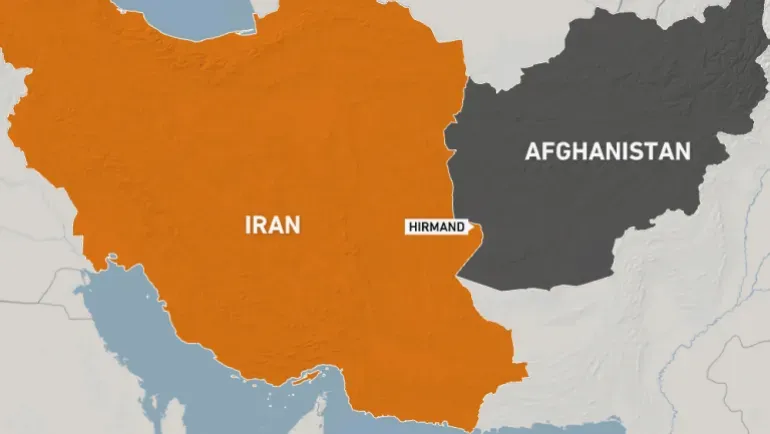
CostsShared Borders: Iran’s Advantage in Afghan Tile Exports
One of Iran’s greatest advantages over competitors is its shared border with Afghanistan. Active land routes and border crossings simplify logistics, reducing transportation costs. While countries like China or Turkey must invest heavily in shipping to reach the Afghan market, Iran can deliver products faster and more economically. This efficiency lowers the final cost for consumers, enhancing the competitiveness of Iranian tiles. Geographical proximity therefore stands out as a key benefit of exporting ceramic tiles to Afghanistan.
Suggested Article: Exporting Glazed Ceramic Tiles from Iran
-
High Quality of Iranian Products
Iran has made significant advancements in tile and ceramic production in recent years. Using premium raw materials, modern technology, and diverse designs, Iranian ceramic products are competitive on an international scale. Afghan customers, valuing durability and high quality, place great trust in Iranian products. This trust has helped Iranian tiles secure a prominent position in Afghanistan, often becoming the first choice for construction projects.
-
Competitive and Affordable Pricing
Combining high quality with affordable pricing is essential for export success.
Access to domestic resources and lower production costs allow Iranian manufacturers to offer tiles at competitive prices. This advantage makes Iranian products more appealing than those from other countries, such as Turkey and Pakistan, meeting Afghan buyers’ purchasing power effectively.
-
Cultural Similarities and Shared Taste
Cultural and aesthetic affinities between Iran and Afghanistan simplify the purchasing process. Many Iranian tile designs and colors align with Afghan preferences, enabling products to quickly gain acceptance in the market. This shared taste accelerates sales and strengthens the market presence of Iranian tiles.
Suggested Article: Export floor tiles from Iran
-
Opportunities for Joint Investment

Joint Investment: A Path to a Sustainable Iranian Presence in the Afghan Market
Beyond direct exports, Iranian investors often seek to establish production units or partnerships with Afghan traders. Such collaborations not only increase exports but also create a more sustainable Iranian presence in the Afghan market. Moreover, these ventures contribute to job creation and economic growth in Afghanistan, fostering stronger trade relations between the two nations.
-
A Promising Future for the Afghan Market
Given the growing demand, Iranian tile exports to Afghanistan are expected to rise significantly in the coming years. Experts predict that the trade value between the two countries could multiply several times over. This indicates that investing in this sector offers both short-term and long-term benefits.
Suggested Article: Export ceramic wall tiles from Iran
Steps for Exporting Ceramic Tiles to Afghanistan
Entering the Afghan market successfully requires more than just high-quality products. Exporters need to follow a structured and strategic process to establish a strong foothold in this competitive market. The following section outlines the essential steps for exporting ceramic tiles to Afghanistan, ensuring efficiency and market success.
-
Market Research

Market Research: The Key to Entering Afghanistan’s High-Demand Market
The first step in exporting is understanding the target market. Afghanistan, as a developing country, has a strong need for building materials, particularly ceramic tiles. Before entering this market, exporters should gather precise information on:
- Demand levels in various Afghan cities, such as Kabul, Herat, and Mazar-i-Sharif
- Consumer preferences in tile designs, colors, and sizes
- Prices of existing tiles in the Afghan market and comparisons with foreign competitors
- Identification of reputable importers and construction contractors
- Conducting thorough market research allows exporters to align their products with Afghan customer needs and develop an effective sales strategy.
Suggested Article: Exporting tiles from Iran to GCC countries
-
Identifying Target Customers

Finding Real Buyers: The Next Step in Exporting Tiles to Afghanistan
Once the market is understood, the next step is locating actual customers. Key tile buyers in Afghanistan include:
- Major construction material importers
- Construction and contracting companies
- Local distributors and retailers
- Government projects and private investors
- To reach these customers, exporters can participate in international exhibitions, leverage business networks, engage with trade representatives, and use digital marketing. Finding reliable clients is one of the main challenges of exporting ceramic tiles to Afghanistan.
-
Obtaining Required Licenses and Documents

Essential Documentation for Afghan Exports
A vital stage in exporting ceramic tiles to Afghanistan is acquiring the necessary legal permits. Essential documents include:
- Valid business card (commercial registration)
- Export license from Iran’s Trade Promotion Organization
- Sales invoice and packing list
- Certificate of Origin
- Quality and health certificates (if required)
- Presenting these documents at Afghan customs is mandatory. Missing or incomplete paperwork can cause delays or fines during clearance.
Suggested Article: Exporting tiles to Europe from Iran
-
Proper and Standardized Packaging

Standard Packaging: Ensuring Tile Safety During Export
Ceramic tiles are fragile and require careful packaging. Proper packaging not only prevents damage but also creates a positive impression for customers. Important points include:
- Using sturdy cartons and proper palletization
- Labeling products in both Persian and English
- Following international standards and Afghan customs regulations
- Adding protective plastic covers to prevent moisture and dust
- Effective packaging ensures the products arrive intact and are cleared smoothly at customs.
Suggested Article: Exporting tiles to African markets from Iran
-
Choosing Transportation Methods
Iran and Afghanistan share land borders, and most exports use road transport. The primary advantage of land transport is its speed and lower cost compared to sea shipping. Main transportation options include:
- Land transport: Through borders like Dogharoon, Milak, and Mahirud
- Air transport: For specific or small-volume orders
- Rail transport: Available in some border areas, though not widely used
- Choosing the best method depends on shipment size, delivery time, and cost considerations.
-
Customs Clearance in Afghanistan
Understanding Afghan customs regulations is crucial. Exporters must be aware of tariffs, import taxes, and required documents. Collaborating with a local customs broker can simplify the clearance process significantly.
Suggested Article: Exporting stone tiles from Iran
-
Payment and Settlement
Ensuring secure payment is a common concern for exporters. Recommended payment methods include:
- Letter of Credit (LC)
- Cash payment before shipment
- Stage-wise payment based on contracts
- Selecting the appropriate method reduces transaction risks and enhances trade confidence.
-
After-Sales Service and Support

Post-Sale Services: Building Trust and Long-Term Customer Relationships
Sustainable success in Afghanistan depends on offering reliable after-sales services. Afghan clients seek not only high-quality products but also guarantees and support. Providing installation guidance, maintenance instructions, and spare parts (if needed) builds trust and fosters long-term partnerships.
Suggested Article: Exporting porcelain wall tiles from Iran
-
Advertising and Marketing in Afghanistan

Combining Local Advertising and Online Marketing: Key to Export Success
Successful exporting goes beyond initial sales. Promoting the brand through local media, international exhibitions, collaborations with Afghan advertising agencies, and online marketing is crucial to attract new customers and maintain market presence.
Suggested Article: Exporting bathroom tiles from Iran
Conclusion
Exporting ceramic tiles to Afghanistan offers a valuable opportunity for expanding Iranian trade. The country’s extensive reconstruction efforts create significant demand for building materials. Following the proper export steps—market research, obtaining permits, standardized packaging, and selecting suitable transport—ensures success. Iranian tiles’ high quality and competitive pricing are key advantages in attracting Afghan buyers. With experience in managing this export process effectively, suppliers can deliver quality products while strengthening long-term trade relations. Overall, exporting ceramic tiles to Afghanistan not only yields economic benefits but also enhances bilateral commercial ties between Iran and Afghanistan.


