

When it comes to choosing best ceramic tiles for kitchen floor, every homeowner faces a challenging decision. The kitchen is one of the busiest areas of any house, and selecting the right flooring requires a careful balance of practicality, durability, and aesthetics. In this guide, we’ll explain why ceramic tiles are considered one of the most reliable and stylish options for modern kitchens.
Once you understand the key reasons behind their popularity, we’ll help you explore different patterns, textures, shapes, and layout ideas so you can confidently select the best kitchen floor ceramic tile that suits your personal taste and home décor. Whether your style is minimalist, classic, or contemporary, you’ll find inspiration to bring your dream kitchen to life.
Related: How to Choose the Right Ceramic Tiles for the Kitchen
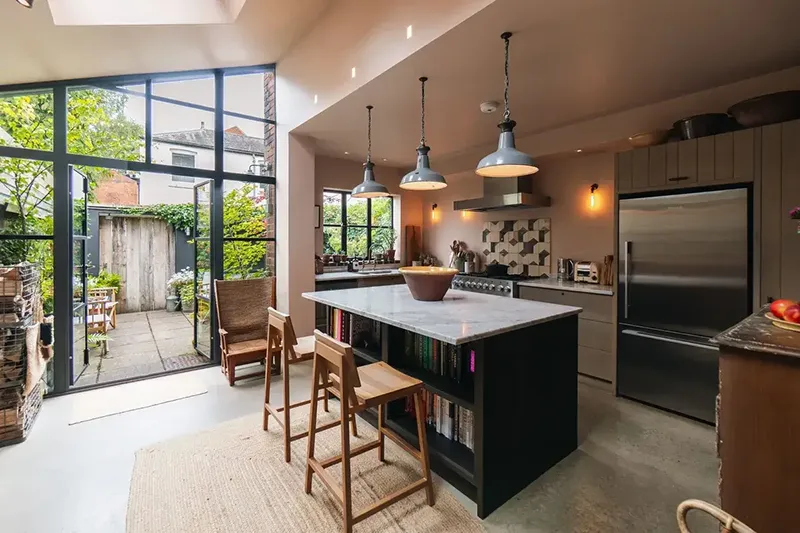
choosing best ceramic tiles for kitchen floor
How to Choose the Best Ceramic Tile for Your Kitchen Floor
If you’ve already decided to go with ceramic flooring, you’ve made an excellent choice. Ceramic tiles are known for their long-lasting quality, low maintenance, and endless design options. From geometric patterns and earthy tones to modern matte finishes, there are countless ways to express your personal style through your kitchen floor.
The next step is to discover which type of ceramic tile for kitchen flooring best fits your lifestyle. We’ll introduce you to different shapes, finishes, and installation patterns—helping you find not only what looks good but also what performs well for years to come. With so many options available, you can easily customize your kitchen floor to reflect both your functional needs and aesthetic vision.
Suggested Article: The Difference Between Matte and Glossy Glazed Ceramic Tiles
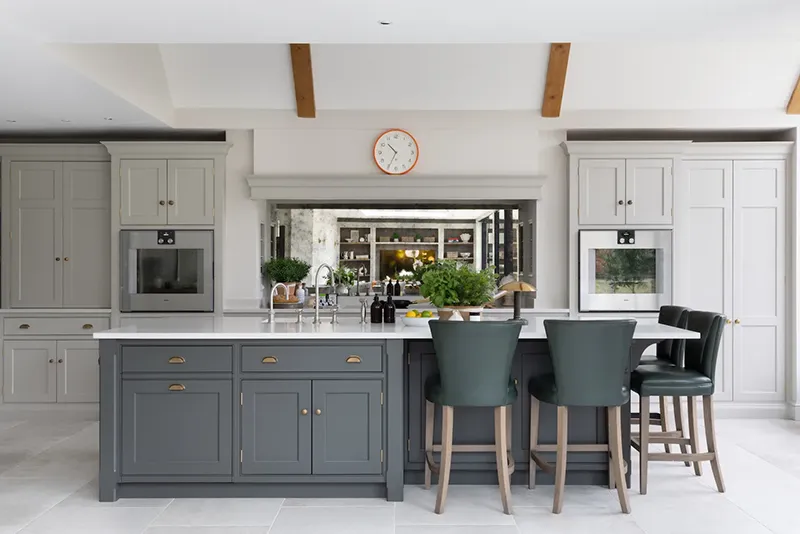
Explore a variety of ceramic tiles to create a stylish, durable, and low-maintenance kitchen floor that perfectly matches your personal taste.
Five Key Reasons to Choose Ceramic Tiles for Kitchen Flooring
Design Versatility
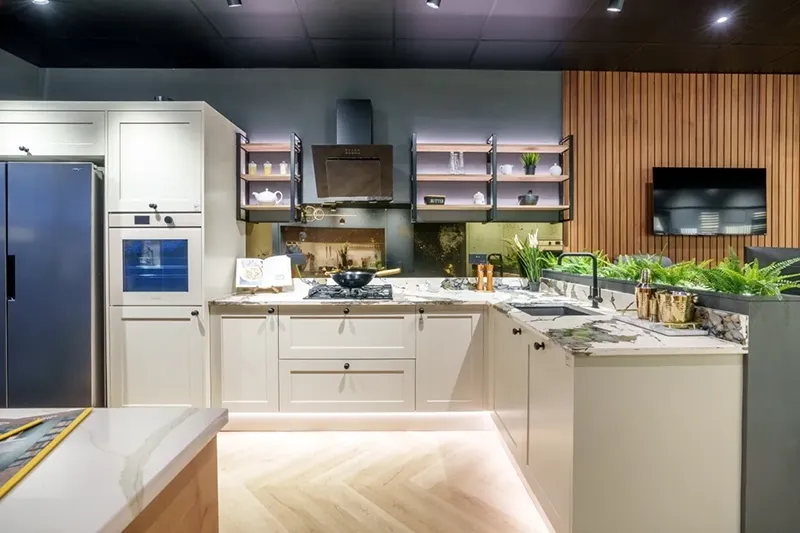
Ceramic tiles bring unmatched design versatility, allowing your kitchen floor to perfectly complement any style from rustic to modern.
One of the biggest reasons homeowners prefer durable ceramic tiles for kitchen floor designs is their incredible versatility. A kitchen floor must be both visually appealing and seamlessly connected with other interior elements such as cabinets, countertops, and wall colors.
Ceramic tiles offer endless design possibilities, coming in a wide range of textures, patterns, and colors that complement every interior theme—from rustic and traditional to modern and minimalist. The best ceramic tile for kitchen flooring allows you to achieve complete harmony between style and practicality. Your dream kitchen truly begins with a beautiful, dependable ceramic floor that brings the entire space together.
Suggested Article: Choosing the Best Ceramic Tiles for Bathrooms
Health Benefits of Ceramic Tiles
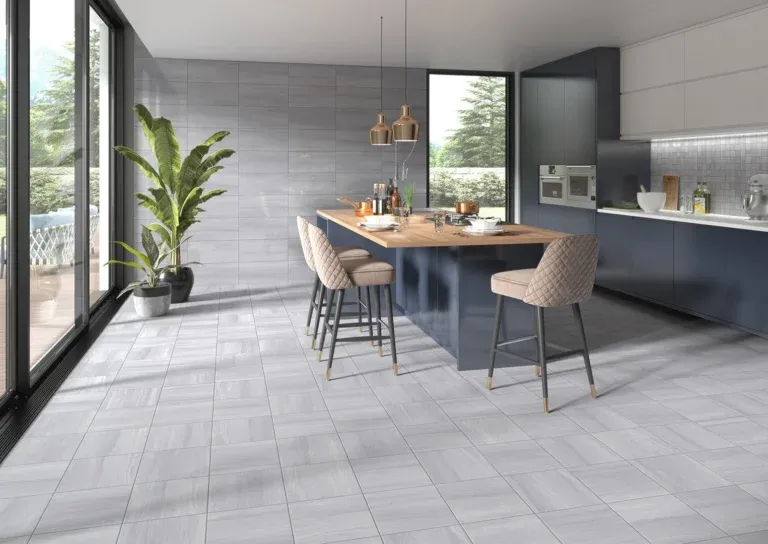
Kitchen ceramic tiles provide a healthy, hypoallergenic, and toxin-free flooring option, keeping your home safe and clean for the whole family.
One of the often-overlooked advantages when choosing best ceramic tiles for kitchen floor is how health-friendly they are. Unlike many other flooring materials, ceramic tiles are made from natural, non-toxic components, offering a safe and clean environment for preparing and enjoying family meals.
Suggested Article: How to clean bathroom grout with steam?
-
Free from Harmful Pollutants
Ceramic and porcelain tiles contain zero volatile organic compounds (VOCs). Many synthetic building materials release VOCs that can cause headaches, allergies, or respiratory problems. With best kitchen floor ceramic tile options, you never have to worry about toxic emissions—they are completely VOC-free.
-
Hypoallergenic and Resistant to Irritants
Since ceramic tiles are inorganic and fired at high temperatures, their surface is dense and non-porous. This makes them resistant to dust mites, mold, fungi, and other allergens. For families with members who suffer from allergies or asthma, ceramic flooring is one of the healthiest choices available.
Suggested Article: Anti Acid Tiles: Definition, Uses, and Benefits
-
No Formaldehyde or PVC
Unlike some wood-based or vinyl flooring products, durable ceramic tiles for kitchen floor do not contain formaldehyde or PVC. These chemicals can trigger respiratory conditions and environmental concerns. By choosing ceramic tiles, you ensure your home remains free from these harmful substances.
-
Plastic-Free Flooring
Ceramic tiles are also 100% plastic-free. This means they do not carry the environmental or health risks associated with plastic-based materials, providing a safer, more sustainable foundation for your kitchen.
Low Maintenance and Easy Care
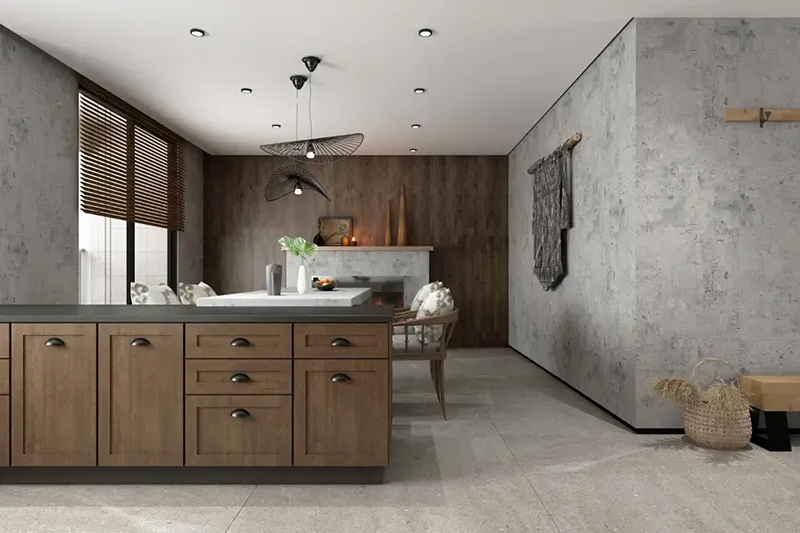
Kitchen Ceramic tiles combine durability and low maintenance, staying stain-, water-, and scratch-resistant while keeping your floor hygienic and easy to clean.
One of the most practical reasons homeowners love ceramic tile for kitchen flooring is its extremely low maintenance. Unlike wood, laminate, or vinyl, ceramic surfaces resist stains, moisture, and scratches with minimal effort.
Suggested Article: How To Distinguish Porcelain Tiles From Ceramic Tiles?
-
Stain Resistant
Your kitchen is naturally exposed to spills, oils, and food splashes. Fortunately, ceramic tiles do not absorb stains easily. A quick wipe or mop restores their clean look—no special cleaning products needed.
-
Water Resistant
Spilled liquids can ruin many flooring materials, but best ceramic tile for kitchen flooring remains completely unaffected. Their glazed surface prevents water penetration, making them ideal for areas prone to moisture.
-
Scratch and Dent Resistant
Even after years of heavy foot traffic, ceramic floors retain their beauty. They resist dents, chips, and scratches that often appear on other flooring types. This makes them perfect for families who spend lots of time cooking or entertaining in the kitchen.
Suggested Article: The Ultimate Guide to Slab Ceramic and Porcelain Tiles
-
Antibacterial and Easy to Clean
Ceramic tiles naturally resist bacterial growth, and many modern options come with antimicrobial protection that helps prevent mold, mildew, and viruses. Cleaning them is effortless—simply sweep or mop with water to keep your floors fresh and hygienic.
Maintaining your kitchen floor has never been easier. When it comes to hygiene, durability, and design flexibility, choosing best ceramic tiles for kitchen floor ensures a long-lasting investment that keeps your home both beautiful and healthy.
Cost-Effectiveness of Ceramic Kitchen Flooring
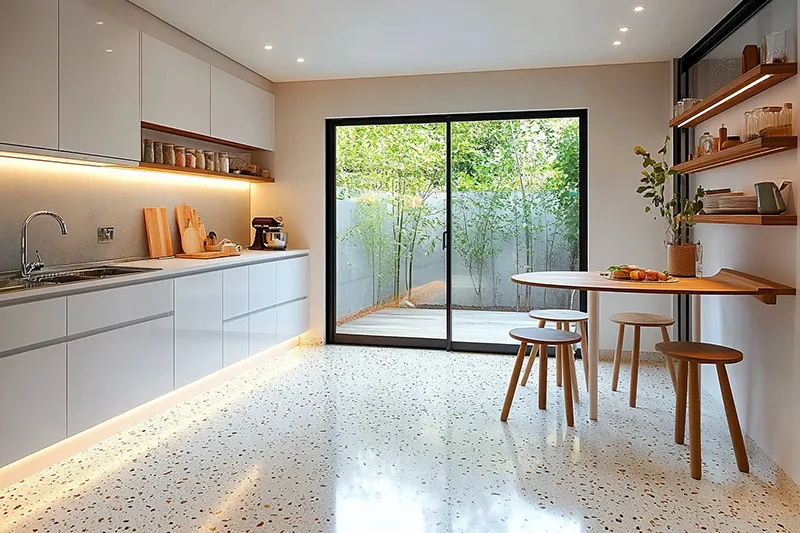
Kitchen ceramic tiles offer long-lasting beauty and durability, providing excellent cost-effectiveness and adding value to your home over time
One of the most practical reasons for choosing best ceramic tiles for kitchen floor is their exceptional cost-effectiveness over time. Ceramic tiles are not only elegant and long-lasting but also provide one of the lowest lifecycle costs compared to any other kitchen flooring material.
Suggested Article: Stone vs Ceramic Tiles
-
Long-Term Value
Ceramic flooring is known for retaining its beauty and structural integrity for decades. Unlike vinyl, wood, cork, or laminate, which often require repair or replacement after a few years, durable ceramic tiles for kitchen floor remain strong and appealing with minimal upkeep. This means lower annual maintenance expenses and no need for frequent renovations.
You only need to look at historical architecture around the world to understand how impressively long ceramic surfaces can last. From ancient mosaics to modern kitchens, ceramic tiles have proven to be a timeless investment that delivers unmatched longevity.
-
Added Home Resale Value
It’s worth remembering that the kitchen is one of the two most important rooms influencing your home’s resale value. Quality flooring makes a lasting impression on potential buyers. By investing in best kitchen floor ceramic tile now, you not only enhance your home’s beauty but also increase its market value. Ceramic flooring does not fade, peel, or deteriorate like other materials, which means your kitchen will continue looking fresh and elegant for many years.
When compared with other flooring types, ceramic tile for kitchen flooring offers the best balance between durability, beauty, and long-term savings. It’s a smart choice that keeps both your wallet and your home in great shape.
Suggested Article: Export ceramic wall tiles from Iran
Safety and Fire Resistance
Safety is a top priority when designing the perfect kitchen. This is the place where your family gathers, cooks, and spends meaningful time together. Therefore, choosing a flooring material that ensures protection and peace of mind is essential.
Ceramic tiles are among the safest materials available for kitchen floors. They come in a variety of finishes and glazes, many of which feature anti-slip properties—an especially valuable benefit for areas where spills are common. With choosing best ceramic tiles for kitchen floor, you can achieve both style and safety without compromise.
In the event of a kitchen mishap involving heat or open flames, ceramic tiles are non-combustible. Unlike vinyl flooring, they do not melt, emit toxic fumes, or contribute to flame spread. In fact, best ceramic tile for kitchen flooring is recognized for its ability to resist fire and maintain structural integrity even under extreme conditions.
By selecting ceramic tiles, you’re not only opting for beauty and resilience but also for a safer home environment. They provide excellent grip, thermal resistance, and zero smoke emission—qualities that make them an ideal flooring solution for busy family kitchens.
Choosing the Best Kitchen Floor Ceramic Tile
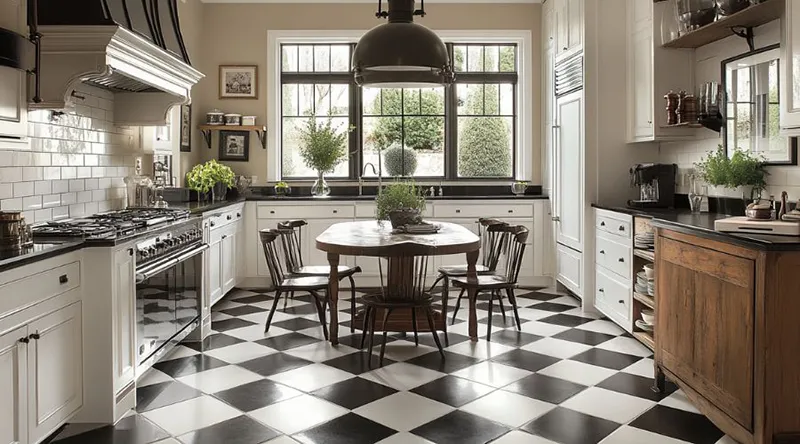
Explore a variety of ceramic, porcelain, and quarry tiles to find the perfect kitchen floor that balances style, durability, and moisture resistance.
When it comes to choosing best ceramic tiles for kitchen floor, understanding the different types and finishes can make a huge difference in both style and performance. Ceramic tiles are available in glazed and unglazed surfaces, offering a wide range of textures and finishes. Most designs you love can also be found in anti-slip versions, which are resistant to stains and scratches—two of the biggest challenges in a busy kitchen environment.
Suggested Article: The Best Color Tiles for Bathrooms and Toilets
All ceramic tiles are naturally resistant to heat and fire, while many are also frost-resistant, making them a practical choice for kitchens in all climates. These qualities make ceramic one of the best materials for creating a long-lasting and hygienic cooking space.
Another excellent option to consider is porcelain tile, a premium member of the ceramic family. Porcelain is fired at higher temperatures for longer periods, resulting in a denser, stronger surface compared to regular ceramic tiles. With a water absorption rate of less than 0.5%, porcelain tiles are extremely resistant to moisture and staining—perfect for kitchens where spills are common. They are available in both glazed and unglazed styles, giving homeowners flexibility in design and finish. However, their higher density also means they can be more expensive and require special cutting tools during installation. Keep these factors in mind when planning your kitchen flooring project and budget.
In contrast, quarry tiles are made by extruding a clay mixture and firing it at high temperatures. Unlike pressed ceramic tiles, this process gives quarry tiles a slightly rougher, natural texture and makes them moderately water-resistant, typically absorbing between 0.5% and 3% moisture—less than traditional ceramics but more than porcelain. Their durability makes them a favorite for high-traffic kitchens, especially in commercial settings or spaces exposed to both heat and freezing conditions, such as open-air kitchens or breweries.
The most common color for quarry tiles is a rich earthy red, but they are also available in shades of gray, brown, and even black. Their rustic look pairs beautifully with Mediterranean or farmhouse-style kitchens and complements decorative Spanish or Italian tiles perfectly. Thanks to their heat and frost resistance, quarry tiles also transition seamlessly to outdoor areas, maintaining visual harmony throughout the space.
It’s worth noting that while terracotta tiles may look similar to quarry tiles, they don’t offer the same level of durability, flexibility, or moisture resistance, making quarry tiles a more practical long-term investment for kitchen flooring.
Suggested Article: Ceramic vs Porcelain Tiles
Shapes of Kitchen Floor Ceramic Tiles
When choosing best ceramic tiles for kitchen floor, the shape of the tile plays a major role in defining the look, flow, and overall atmosphere of your kitchen. From timeless square tiles to trendy geometric designs, the right shape can completely transform your space.
-
Square Tiles
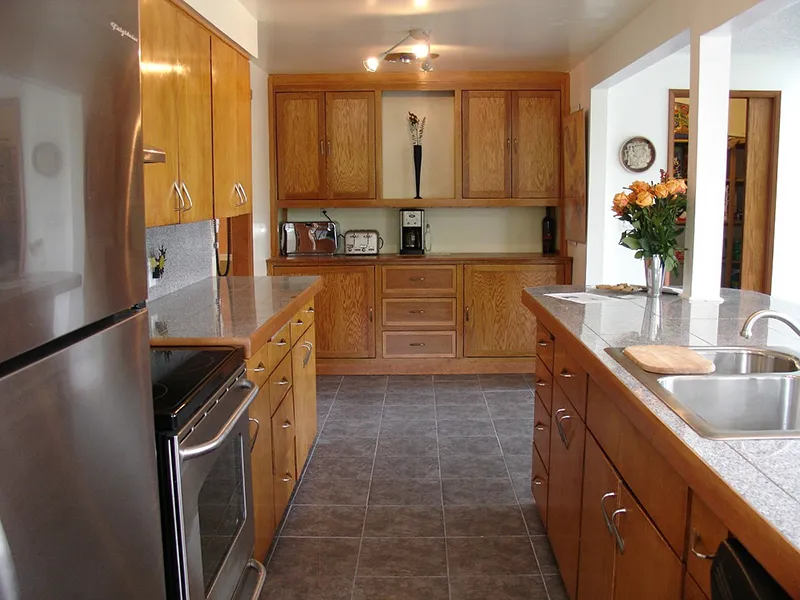
Classic square ceramic tiles offer timeless style and versatile design options, making them perfect for any kitchen floor layout
Square tiles remain one of the most classic and versatile choices for kitchen floors. Common sizes range from 12×12 inches to 18×18 inches and even larger. They work beautifully for kitchens of any size, offering a clean, balanced appearance. Square tiles are perfect for bold colors, high-impact textures, or when you want to mix and match with smaller shapes to create visual contrast.
You can arrange them in creative grid patterns to add interest to neutral color palettes. Far from being basic, square ceramic tiles allow for unlimited design potential when planning your best kitchen floor ceramic tile layout.
-
Rectangular Tiles
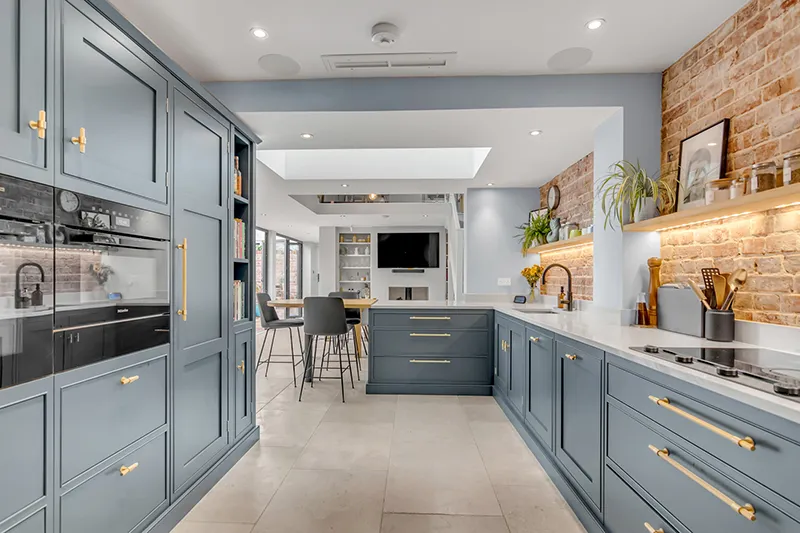
Rectangular ceramic tiles, from classic subway styles to large planks, offer elegant and adaptable flooring options for modern and traditional kitchens alike.
Rectangular tiles continue to dominate kitchen design trends, from small mosaic shapes to large-format planks. Smaller versions, known as “subway tiles,” were originally popularized in train stations and have since become a favorite for both walls and floors.
Subway-style ceramics provide endless creative opportunities in layout, color, finish, and grout combinations. When paired with larger rectangular tiles on the floor, they produce a dynamic and cohesive visual effect that works for both modern and traditional kitchens. Rectangular ceramics remain one of the best ceramic tile for kitchen flooring options due to their elegance and adaptability.
Suggested Article: Exporting Porcelain Tiles from Iran
-
Hexagonal Tiles
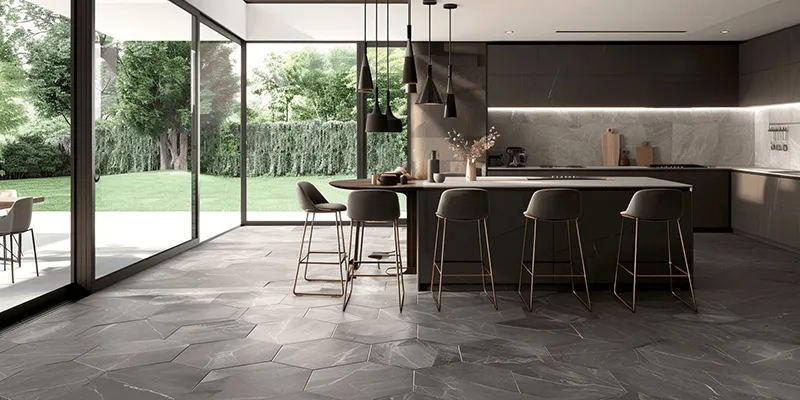
Hexagonal ceramic tiles create a stylish honeycomb pattern, adding geometric charm and timeless elegance to any kitchen floor
Hexagonal tiles bring a charming honeycomb pattern to kitchen flooring. Whether you prefer neutral shades or bold color contrasts, hex tiles effortlessly balance modern sophistication with timeless appeal. Their geometric beauty suits both historic and contemporary homes. Available in multiple sizes, hexagonal ceramics can be used as the main floor covering or as a decorative accent that defines specific areas like breakfast nooks or islands.
-
Irregular Polygonal Tiles
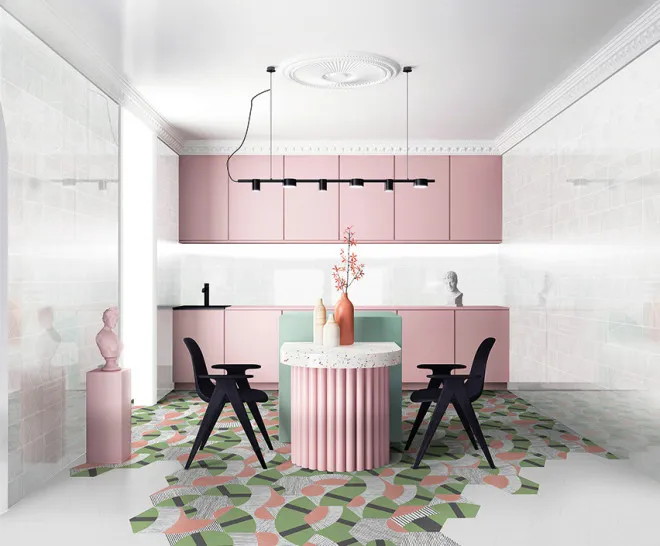
Irregular polygonal ceramic tiles add a unique, artisanal touch to kitchen floors, creating creative and eye-catching mosaic patterns.
Irregularly shaped polygon tiles are one of the latest trends in kitchen design. When combined with other tiles—especially hexagons—they create a mosaic-like aesthetic with an artisanal feel. Using irregular tiles gives your kitchen floor a distinctive and creative touch, perfect for homeowners who want something out of the ordinary while still maintaining practicality.
Suggested Article: How to Choose the Perfect Grout Color for Your Tiles
-
Circular Tiles
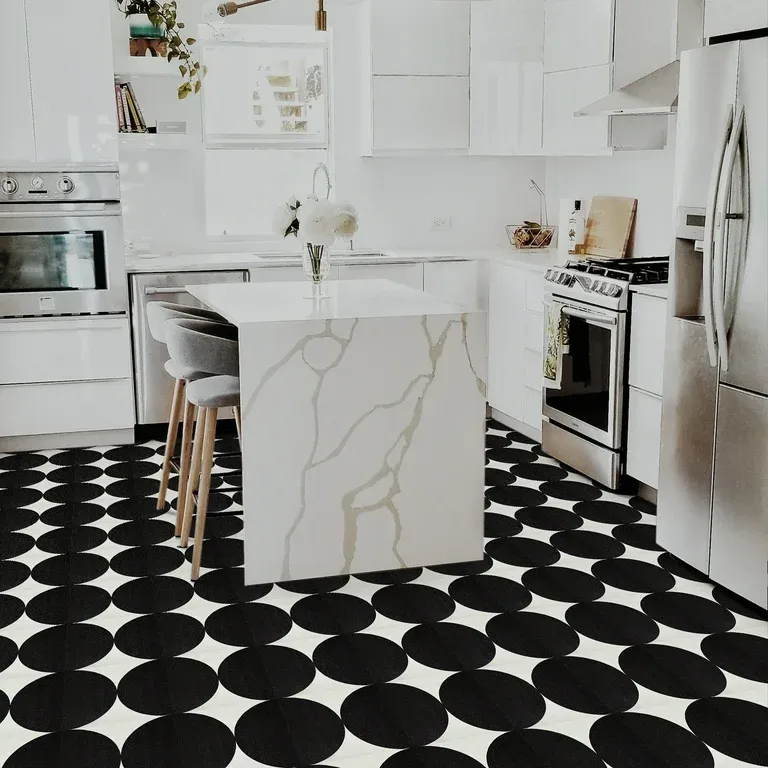
Circular ceramic tiles bring soft, flowing shapes to kitchen floors, perfect for adding charm and visual interest in small or mosaic-style spaces.
Round or circular ceramic tiles are usually seen in mosaic-style flooring and are excellent for small kitchen spaces. Their soft, curved edges make the area feel larger and more fluid. Circular tiles can also serve as decorative accents or transition zones between different floor styles, adding character without overwhelming the space. For compact kitchens, this design offers charm and functionality in one.
-
Mosaic Tiles
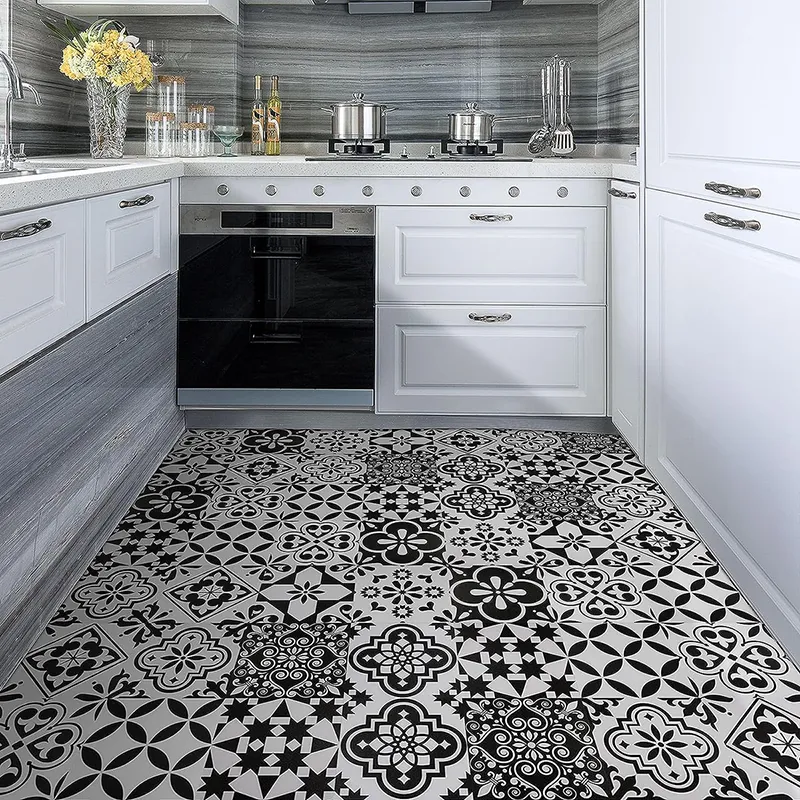
Mosaic ceramic tiles offer endless creative possibilities, adding intricate patterns, color, and texture to enhance any kitchen floor design.
Mosaic tiles are defined as pieces smaller than nine square inches and come in nearly any shape imaginable. More recently, the term has evolved to represent creative combinations of various shapes, colors, and textures. These tiny tiles often come pre-mounted on mesh sheets or strips, making installation faster and easier. They are perfect as accent pieces within larger tile designs, giving you the freedom to express creativity in your choosing best ceramic tiles for kitchen floor project. However, when selecting mosaic patterns, consider the overall size of your kitchen—smaller, intricate mosaics might appear too busy in a large space. In smaller or transitional areas, they add just the right amount of artistic detail and texture.
Suggested Article: Effective methods to remove stains from ceramic and porcelain tiles
Tile Pattern Ideas for Kitchen Floors
Selecting the right shape and style of ceramic tiles for your kitchen floor is only half the fun. Choosing the proper tile pattern is where creativity really comes alive—even when using a simple or single-color tile. Here are some inspiring tile pattern ideas to guide your choosing best ceramic tiles for kitchen floor project.
-
Grid Pattern
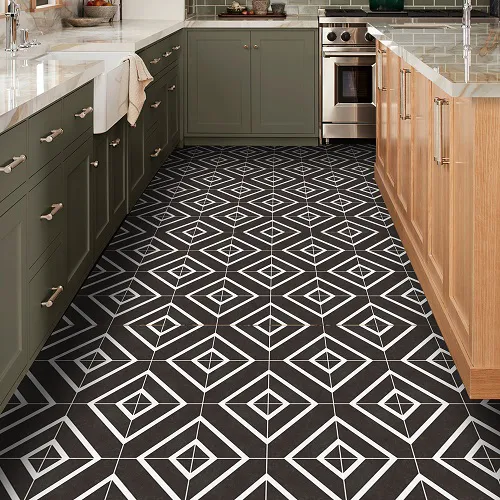
The classic grid pattern offers a clean, versatile layout that highlights tile designs and adds timeless elegance to any kitchen floor.
The classic grid pattern is one of the most flexible designs. Its simple, orderly layout complements virtually any kitchen space and allows incredible versatility with tile types and colors. This straightforward arrangement can highlight intricate tile designs or maximize the elegance of single-color tiles for a sleek, modern finish. If you are considering stone-look tiles, the grid pattern is an ideal choice to showcase their texture. The timeless grid remains a reliable and visually pleasing option for any kitchen floor, making it a staple among best kitchen floor ceramic tile designs.
Suggested Article: Exporting Glazed Ceramic Tiles from Iran
-
Checkerboard Pattern
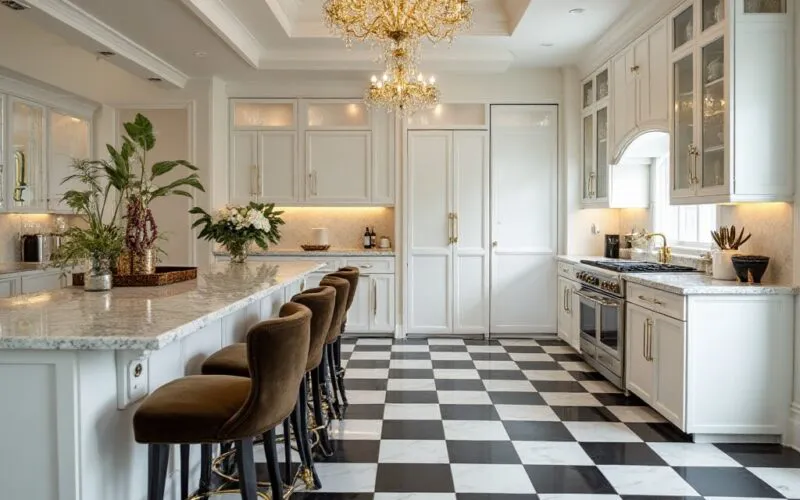
The timeless checkerboard pattern combines classic style with playful elegance, making a bold statement on any kitchen floor.
The black-and-white checkerboard pattern has been a perennial favorite, giving kitchens a timeless sense of style. You can also experiment with different colors or invert the pattern to create a unique, personal touch. Checkerboard designs bring a classic yet playful elegance to any kitchen, proving that simple shapes can make a big impact. It’s no wonder checkerboard remains one of the best ceramic tile for kitchen flooring choices for those seeking a bold, timeless look.
-
Running Bond Pattern
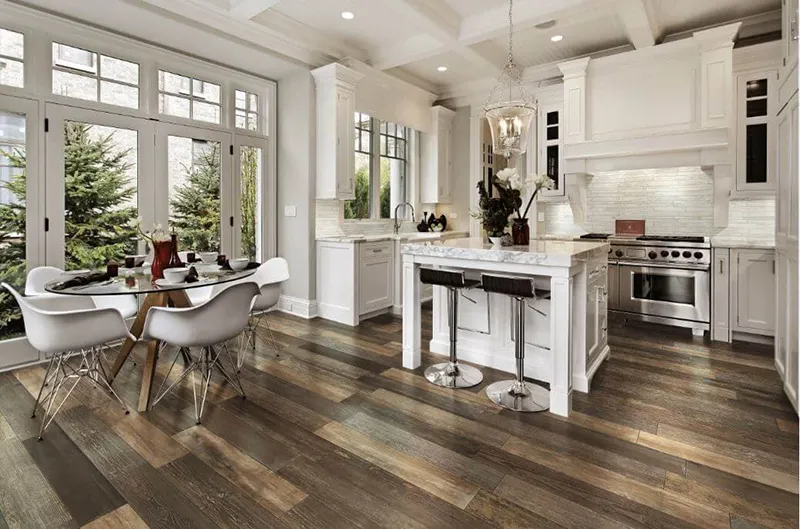
The running bond pattern mimics natural wood floors, offering a stylish, durable, and easy-to-maintain layout for kitchen ceramic tiles
The running bond, or brick pattern, is a classic layout that works seamlessly in almost any kitchen. This design pairs beautifully with wood-look tiles, where staggered panels mimic the irregular lengths of natural hardwood floors. Running bond layouts not only create a visually cohesive floor but also enhance durability and ease of maintenance compared to real wood. Using water-resistant ceramic tiles in a running bond pattern lets you enjoy the beauty of wood flooring throughout your home—including the kitchen—without compromising on practicality.
Suggested Article: Export floor tiles from Iran
-
Chevron and Herringbone Patterns
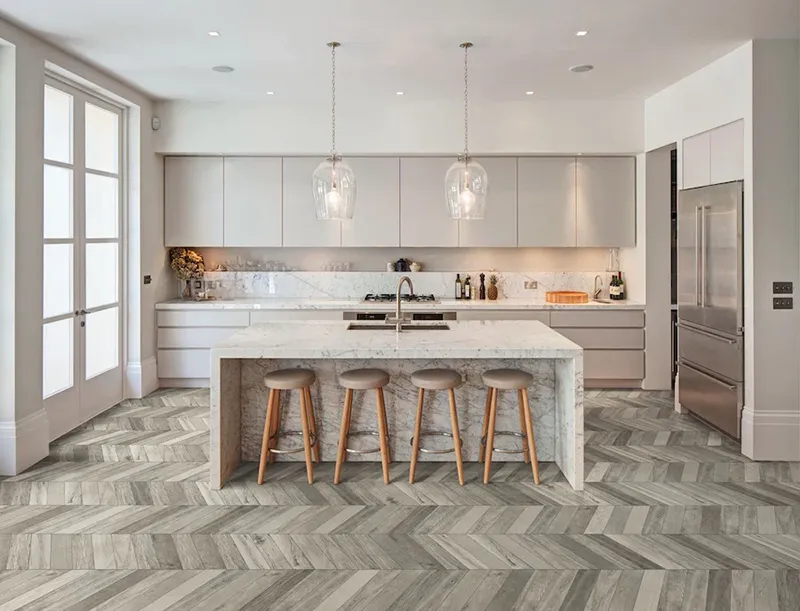
Chevron and herringbone patterns create dynamic, eye-catching movement on kitchen floors, adding elegance and visual flow to any space.
Chevron and herringbone layouts add dynamic movement to the kitchen floor. Unlike the straightforward running bond, these angled patterns draw the eye and can make smaller spaces feel larger. Both styles naturally guide visual flow, creating a sense of direction and focal points across the room. Herringbone designs, in particular, add elegance and rhythm to your best kitchen floor ceramic tile selection, making the floor a centerpiece rather than just a backdrop.
-
Octagon and Dot Pattern
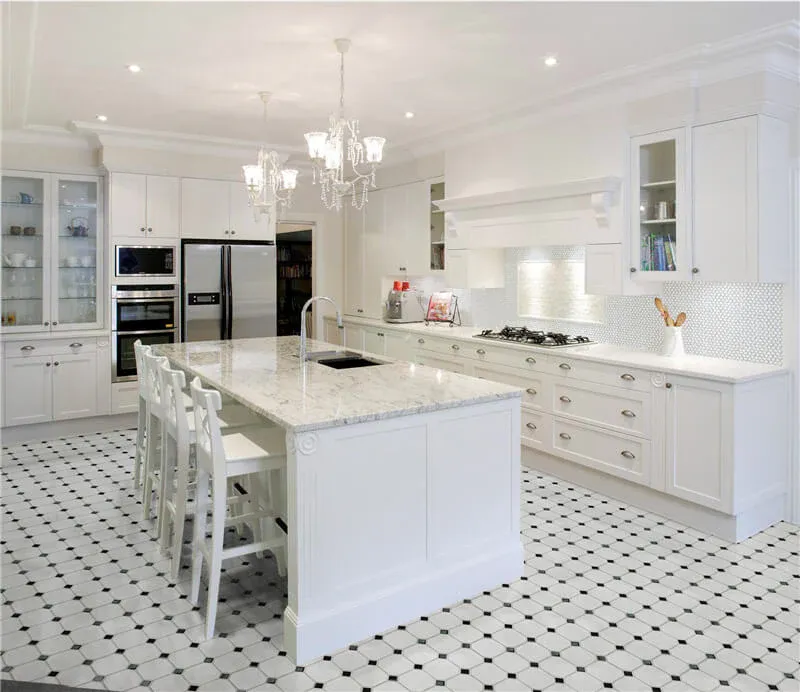
The octagon-and-dot pattern combines classic charm with modern style, creating a timeless and visually striking kitchen floor design.
The octagon-and-dot tile pattern has been loved since Victorian times. A classic combination is white octagons with small black dots, creating a timeless visual contrast. You can play with tile colors to modernize the design or even experiment with colored grout for a contemporary twist. This pattern provides a cohesive, stylish foundation that works well for kitchens aiming for a classic yet updated aesthetic. Octagon-and-dot arrangements remain a versatile and charming option in the world of best ceramic tile for kitchen flooring, blending historical appeal with modern design sensibilities.
Suggested Article: Export ceramic wall tiles from Iran
Conclusion
With this guide, you have explored the benefits of selecting a kitchen floor that is healthy, safe, easy to maintain, cost-effective, and at the same time beautiful and durable—a perfect recipe for your home! This content is regularly updated, so you can always find the latest ideas and trends here. Choosing the best kitchen floor ceramic tile is a significant decision that impacts both your interior design and property value, so take it seriously. Select the best combination of patterns, colors, and layouts for your kitchen space. Once your flooring is perfectly set, it’s time to enjoy cooking and making your kitchen a true centerpiece of your home.


